
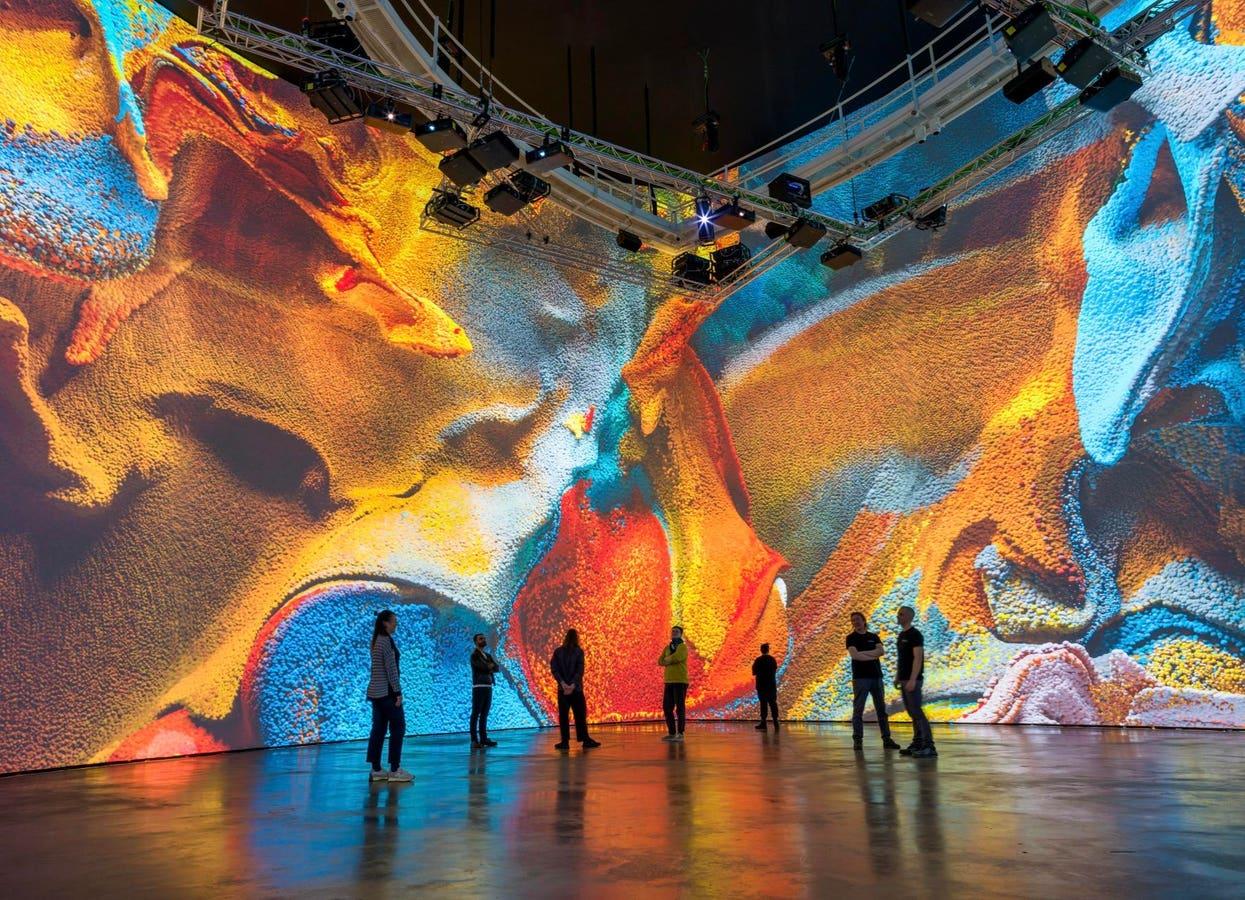
AI can create an image in seconds. But does that make it art?
It’s a question the art world is still trying to answer. While galleries are increasingly using artificial intelligence to handle everyday tasks, many aren’t convinced yet that AI-generated images deserve the same recognition as artworks created by artists.
A 2026 Artsy survey of more than 300 gallery professionals revealed just how divided the industry remains concerning AI art. Only 9% of people from the survey considered AI-generated art an artistic medium.
So, what’s holding galleries back? Is it the technology itself, concerns about originality, or something deeper about what makes art valuable?
For artists, collectors, and anyone who appreciates original artwork, the answers could shape how we create, discover, and buy art in the years ahead.
Galleries Are Embracing AI, Just Not Necessarily AI Art
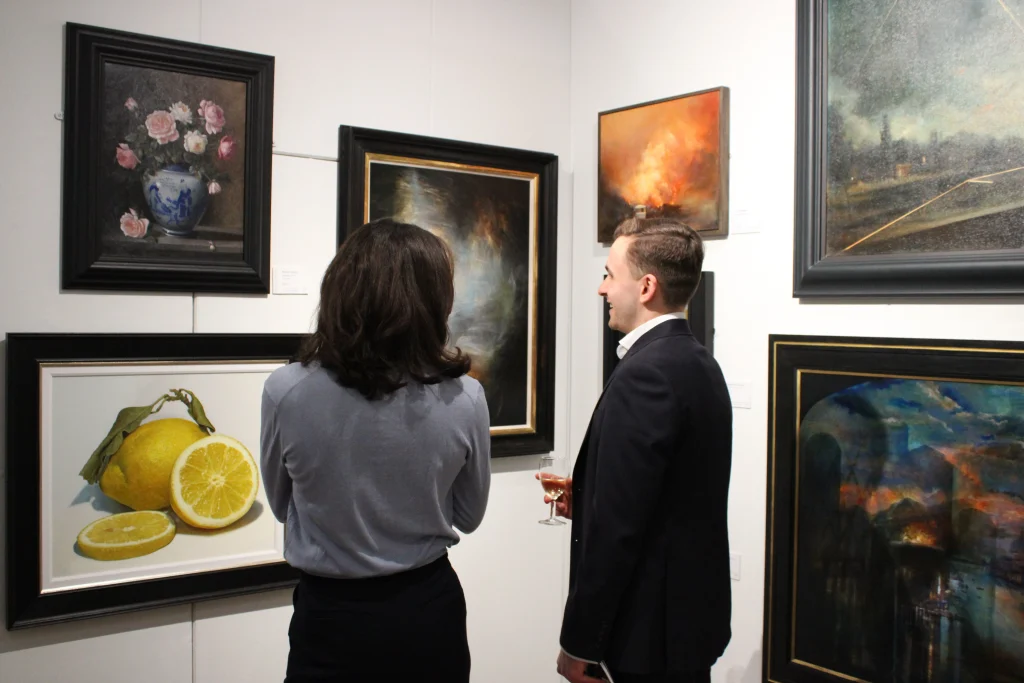
Walk into any art gallery today, and you will not see any Ai art on the walls. But behind the scenes, there’s a chance that the gallery sells it.
According to Artsy’s 2026 survey, 57% of gallery professionals use AI for communication and writing. Another 24% use it for research and data management, while 19% use it for exhibition planning.
These tools can make everyday work easier, from drafting emails and organizing records to visualizing how artworks might look in an exhibition space.
For busy galleries, that efficiency matters. Less time spent on repetitive tasks can mean more time supporting artists, developing exhibitions, and building relationships with collectors.
But there’s a difference between using technology to run a gallery and accepting artwork created by that technology.
That’s where opinions begin to change.
Why Are Galleries Still Skeptical About AI-Generated Art?
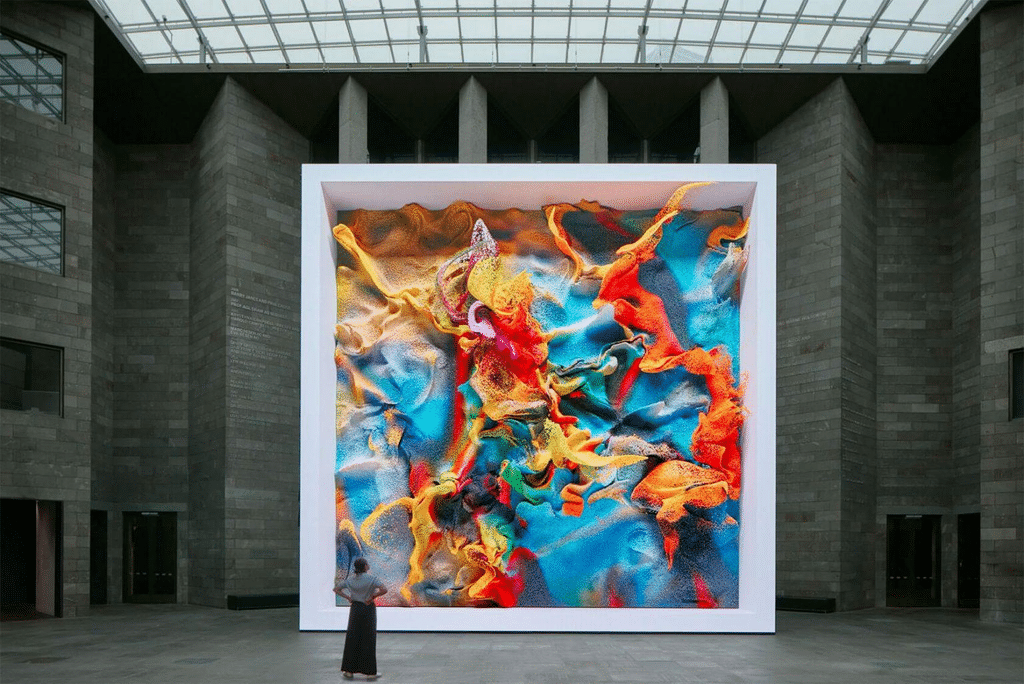
Art has never been defined by technique alone. Behind many memorable works is a person expressing an idea, a memory, an emotion, or a particular way of seeing the world.
AI art challenges traditional assumptions about that creative process.
Artsy’s survey found that only 9% of gallery professionals considered AI-generated art as a new technique. Meanwhile, 25% saw it as a challenge to artistic authorship and value, while 28% believed its place in the art market was still uncertain.
Part of the challenging question comes down to: who is the artist?
When someone uses a prompt in an AI image generator, the system can produce many images almost instantly. But how should that process be compared with an artist who spends weeks developing an idea, experimenting with materials, and making creative decisions?
The distinction becomes more complicated when artists use AI as one tool within a larger creative process.
A photographer might use AI to develop visual concepts. A painter might experiment with AI-generated references before creating an original canvas. A digital artist might train a model on their own work to produce something new.
These are different creative approaches, and treating them all the same overlooks the artist’s role.
In fact, Artsy’s survey found that 28% of people had no formal definition of AI art. Until the industry agrees on what qualifies as AI-generated or AI-assisted artwork, questions about its artistic value will remain difficult to answer.
What Do Artists Really Think About AI?
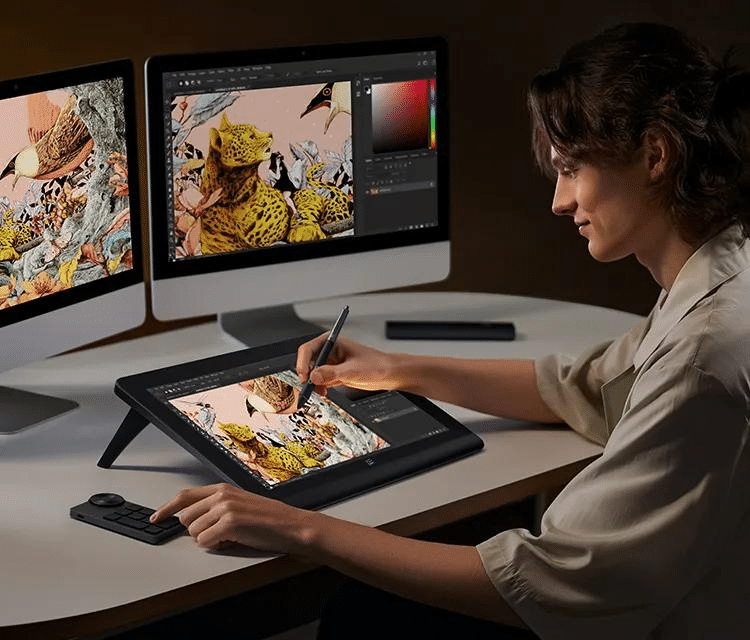
Gallery professionals aren’t the only ones expressing concerns.
In Artsy’s survey, 61% of galleries said none of the artists they represented used AI in their artistic practice. When discussing with artists’, 33% reported criticism rooted in ethical concerns, including the use of existing artwork to train AI systems. Some artists worry that their work could be used without permission or recognition. Other artists questioned whether relying too heavily on generated images could weaken personal imagination that makes creative work distinctive.
A 2025 feature published by Elephant captured these different perspectives through conversations with working artists. Some interviewees rejected AI as a creative medium. Others saw opportunities to experiment, research ideas, or make certain production tasks easier.
What emerges isn’t a simple battle between artists and technology. It’s a conversation about creative control. An artist can embrace new tools while still believing that personal expression, artistic judgment, and experience matter. And those qualities remain important to art collectors.
What Does AI Art Mean for Art Collector?
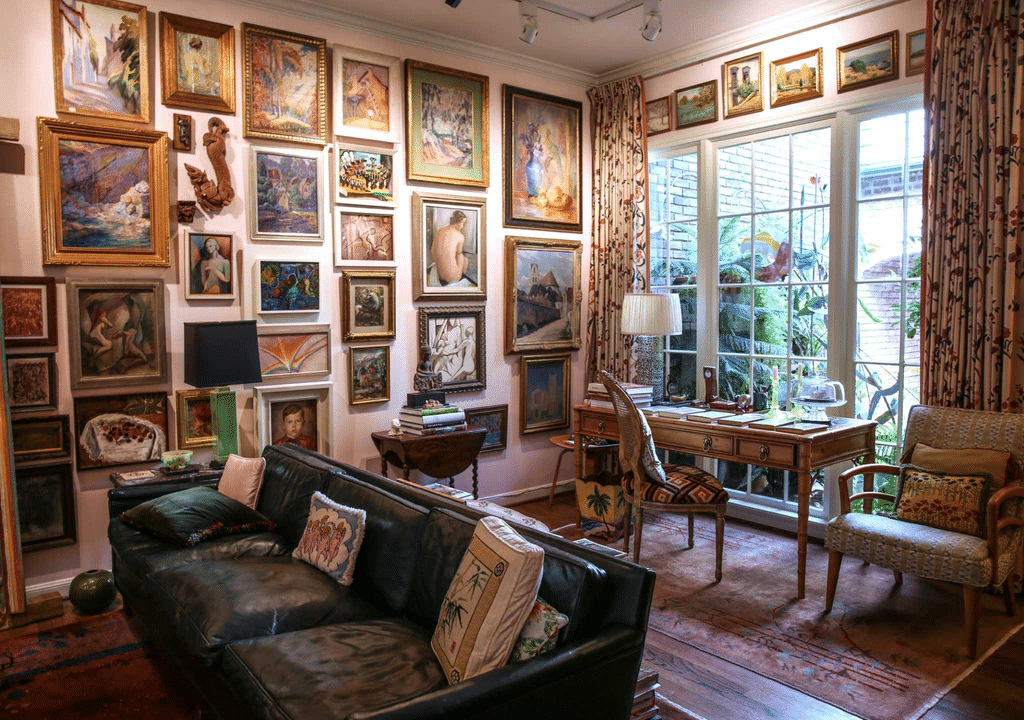
Imagine finding two images you love. One was generated by an AI system. The other was created by an artist whose work reflects their experiences, interests, and years of creative development. Would knowing how each was made influence which one you wanted to own?
For some collectors, it might. For others, visual appeal or conceptual originality may matter more.
Art collecting has always involved personal taste, but buying an artwork can also mean discovering the person behind it. Collectors may want to know what inspired a piece, how the artist developed their style, or why certain colors, materials, and subjects appear in their work. Those details can make the experience of owning art more meaningful.
Artsy’s findings suggest that AI art has yet to become a major medium in many traditional gallery conversations. About 41% of galleries said collectors rarely brought it up, while 16% reported that collectors actively avoided AI-assisted artwork. However, this doesn’t mean collectors are rejecting technology altogether. AI can also help people discover artists, explore unfamiliar styles, and find artworks that match their interests.
The important distinction is between using technology to discover art and choosing to collect art created with that technology.
Why the Story Behind Original Art Still Matters
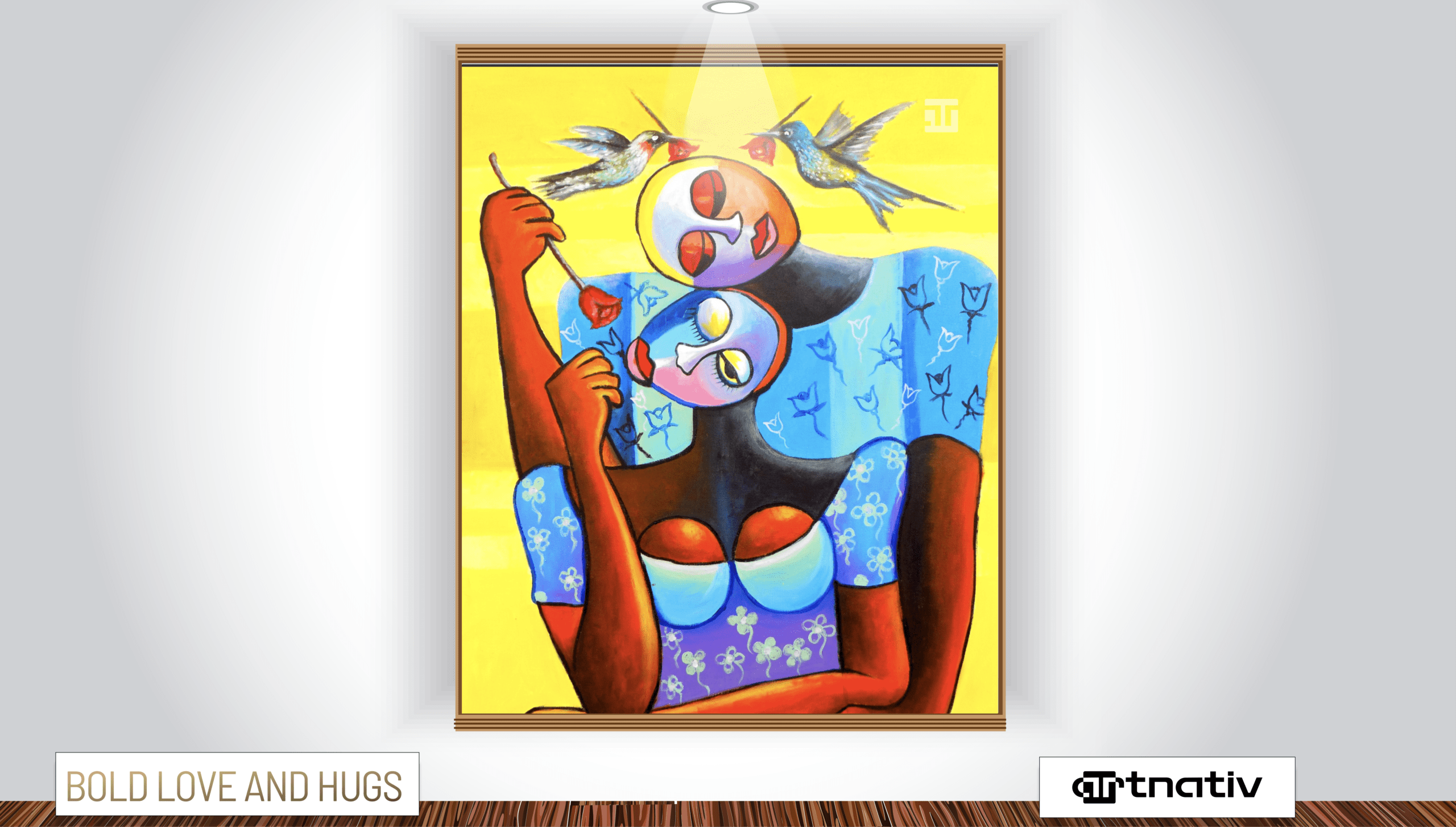
A work of art can be beautiful at first glance. But learning the artistic story behind it can change how we see it. A portrait might explore identity or belonging. An abstract painting might reflect an artist’s response to a personal experience. A sculpture might bring together traditional techniques and contemporary ideas.
These stories add context to the finished work. They also help collectors understand why two artworks that appear similar can have very different meanings. This is part of what makes discovering original art rewarding.
At ArtNativ, the focus is on connecting art collectors with artists and the original works they create. The marketplace gives collectors an opportunity to explore different artistic voices, discover the ideas behind individual pieces, and purchase artwork that speaks to them.
From paintings and drawings to sculpture and mixed-media pieces, ArtNativ showcases art across styles and creative approaches, including works by emerging artists whose perspectives deserve wider recognition.
For someone buying their first artwork, that connection can make the experience feel less intimidating. For an experienced collector, discovering a new artist can introduce new perspectives into an existing collection.
In an increasingly digital world, knowing the creator behind a piece can become part of what makes owning it special.
Could AI Actually Help More People Discover Original Art?
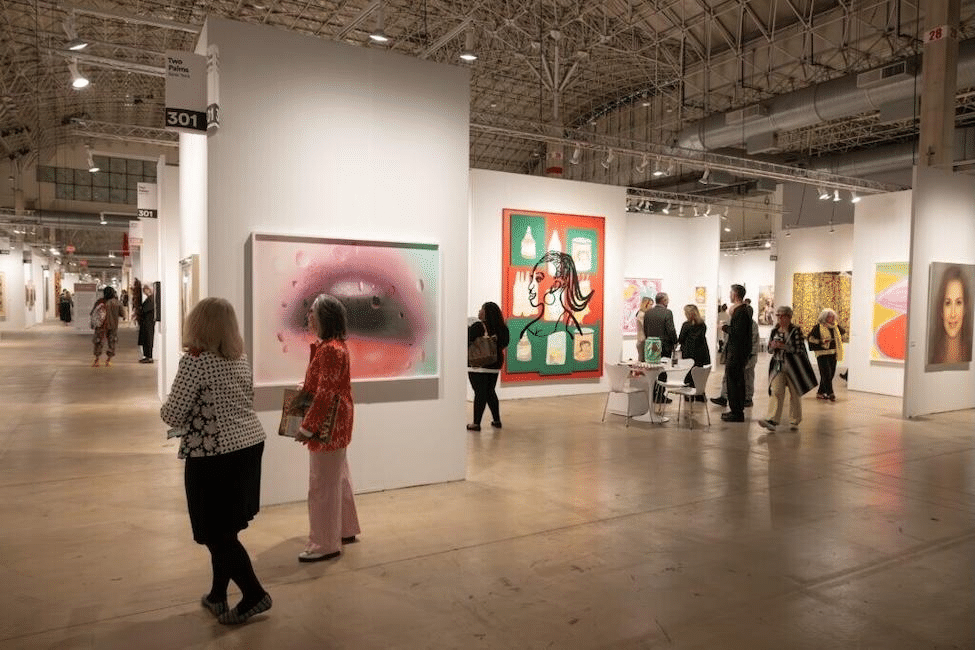
For all the concerns surrounding AI-generated artwork, artificial intelligence could also make art easier to explore. Think about how people discover art today. Some visit galleries and museums. Others browse online marketplaces, follow artists on social media, or search for pieces that complement their homes.
AI-powered discovery tools could help people navigate these options by recommending artworks based on personal interests and preferences.
Artsy’s survey found that 31% of gallery professionals viewed AI recommendations as a complementary discovery tool, while 19% believed they could help introduce new buyers to the art market.
That possibility matters for artists who may struggle to reach collectors beyond their immediate communities.
For a platform like ArtNativ, which connects artists and buyers across borders, improved digital discovery aligns with the broader goal of making original artwork more accessible.
Technology does not have to replace the artist to become useful in the art market.
It can also help more people find the artists they might otherwise never heard of.
Will AI Replace Human Artists?
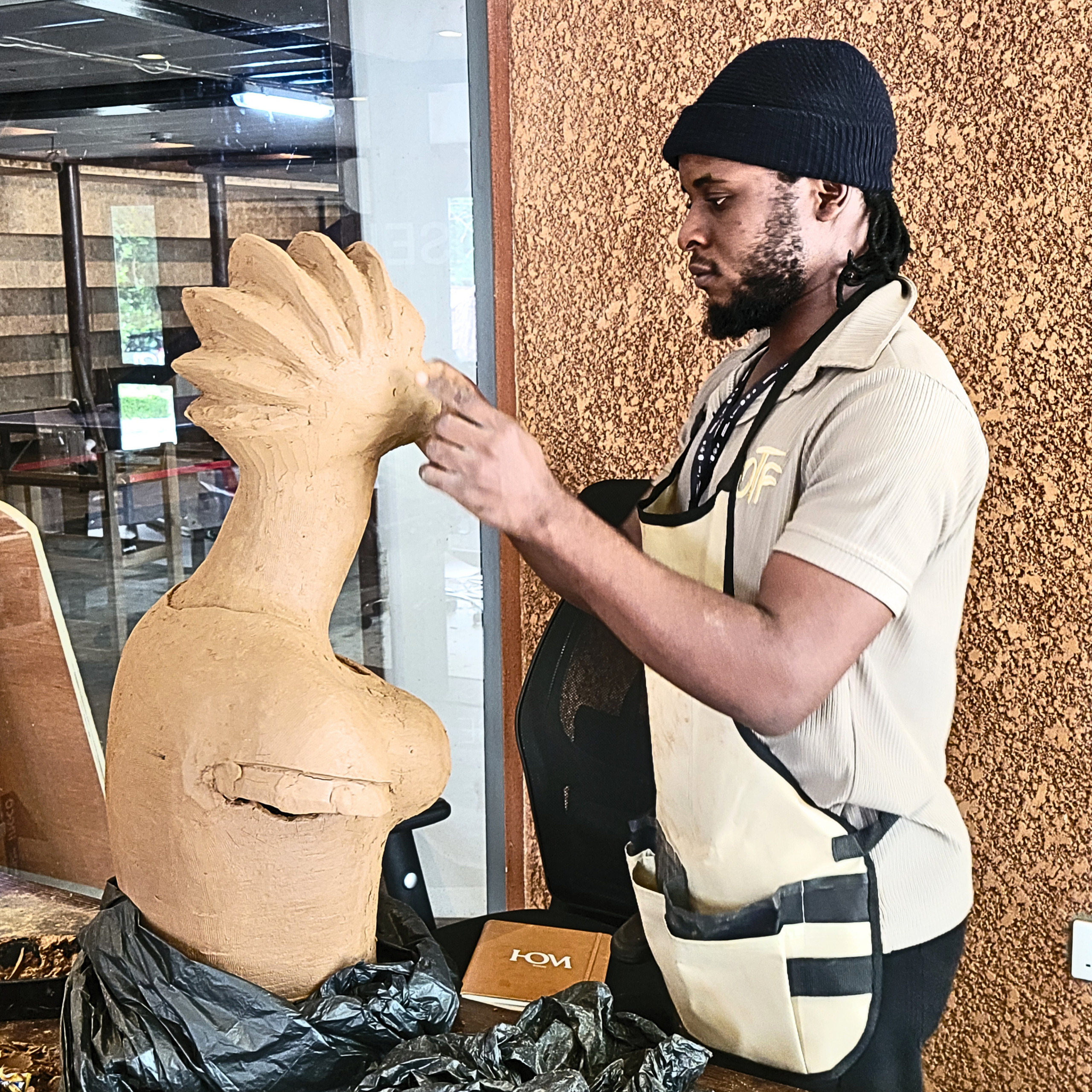
It’s one of the biggest questions challenging Ai art in the creative world.
But the answer is more complicated than a simple yes or no.
AI can already produce sophisticated images and assist with several stages of creative work. Its capabilities will likely continue to develop, influencing how some artists experiment and how galleries operate.
Yet artistic value involves more than the speed of creating art works.
Originality, intention, cultural context, creative decisions, and personal expression all influence how people experience and interpret art.
Some artists will continue exploring AI as part of their medium. Others will remain committed to traditional or entirely human-directed approaches. And collectors will make their own decisions about what they value.
Interestingly, Artsy’s survey found that 36% of gallery professionals expect AI to become an established art medium over the next decade. Only 9% expected AI art to become a distinct, established category.
This suggests that many galleries foresee AI becoming part of the creative process rather than developing into a dominant category of its own.
The future may therefore be less about choosing between human creativity and technology, and more about understanding how the two can interact.
The Future of Art Is Still Involves Technology
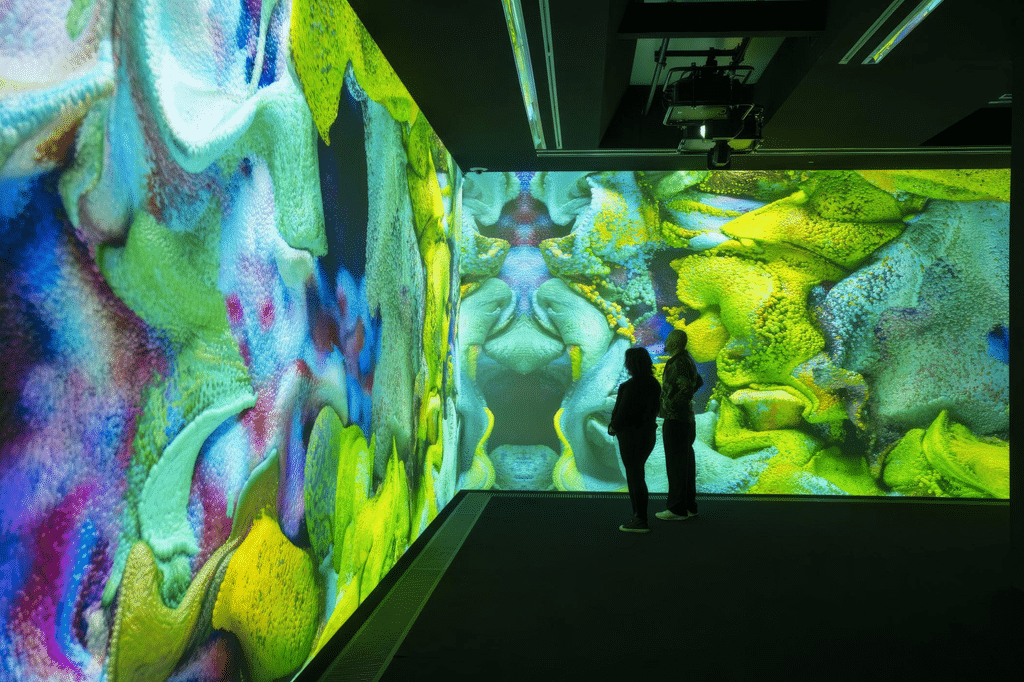
The 2026 Artsy survey makes one thing clear: galleries are becoming more comfortable using AI, but they remain cautious about its role in creating art. And that uncertainty raises questions worth asking.
What makes an artwork original? How much does the artist’s process matter? And what gives a piece its value beyond what we see?
There may never be one answer that satisfies every artist, gallery, or collector.
But while technology changes how people create and discover art, the desire to connect with meaningful artistic expression remains an important part of an art collector’s experience.
That is why discovering original artwork and the people behind it continues to matter.
Whether you’re buying your first painting, exploring contemporary artists, or looking for a distinctive piece for your space, the best place to begin is with art that genuinely speaks to you.
Discover Original Art with a real story worth knowing.
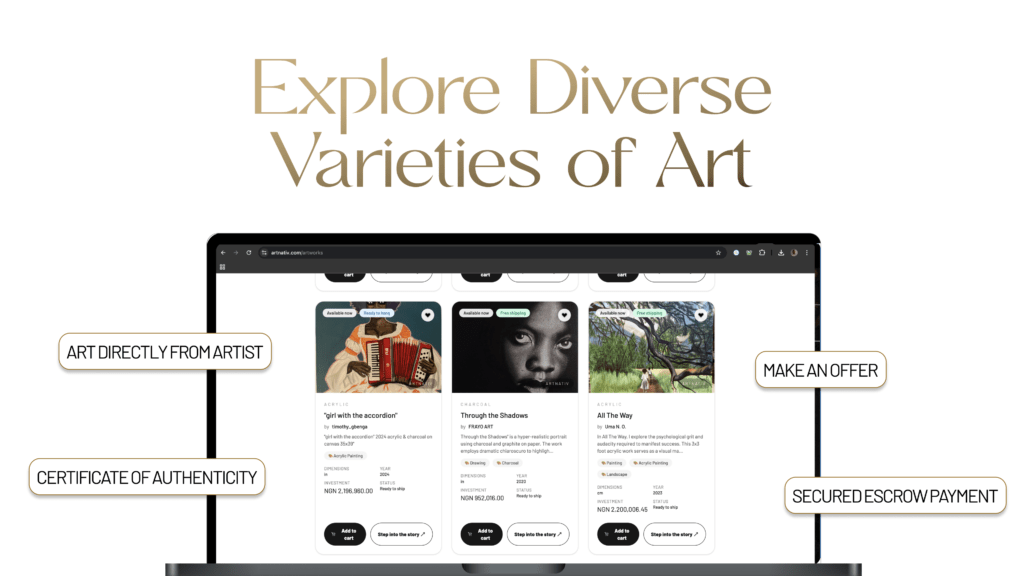
Explore original artworks for sale on ArtNativ, meet artists from different creative backgrounds, and find a piece you’ll love living with.
FAQ
Do art galleries accept AI-generated art?
Mostly not yet. In Artsy’s 2026 survey of more than 300 gallery professionals, only 9% said they consider AI-generated art a legitimate new medium, and 61% said none of their represented artists use AI in their practice. Galleries are far more comfortable using AI for operations, such as writing emails and planning exhibitions, than exhibiting Ai art.
Is AI-generated art considered real art?
Only 9% of gallery professionals in Artsy’s 2026 survey see it as a legitimate medium, while 25% view it as a destabilizing force for authorship and value. However, 36% expect AI to eventually become an established artmaking tool, much as photography did. Much depends on how much creative control a human artist keeps over the final work.
How can I know if a piece is AI art ?
Ask the seller directly how the work was made, and look for a named artist with a consistent body of work, process images or studies, and a certificate of authenticity. Platforms like ArtNativ verify each artist’s identity and portfolio and issue blockchain-backed certificates of authenticity. Commissioning an artist is the most direct way to see a work made by a person.
Will AI replace human artists?
Unlikely. AI can produce images quickly, but collectors value originality, intention, and the story behind a work. In Artsy’s 2026 survey, 41% of galleries said AI art rarely comes up with collectors, and 16% said their collectors actively avoid AI-assisted work. Most galleries expect AI to become one tool among many rather than a replacement for artists.
Why are artists against AI art?
Many artists object to AI systems being trained on existing artwork without permission, credit, or payment, which can allow their personal style to be imitated on demand. Others worry that relying on generated images weakens the imagination that makes creative work distinctive. Not all artists reject AI, though; some use it for research or production tasks while keeping full creative control.