
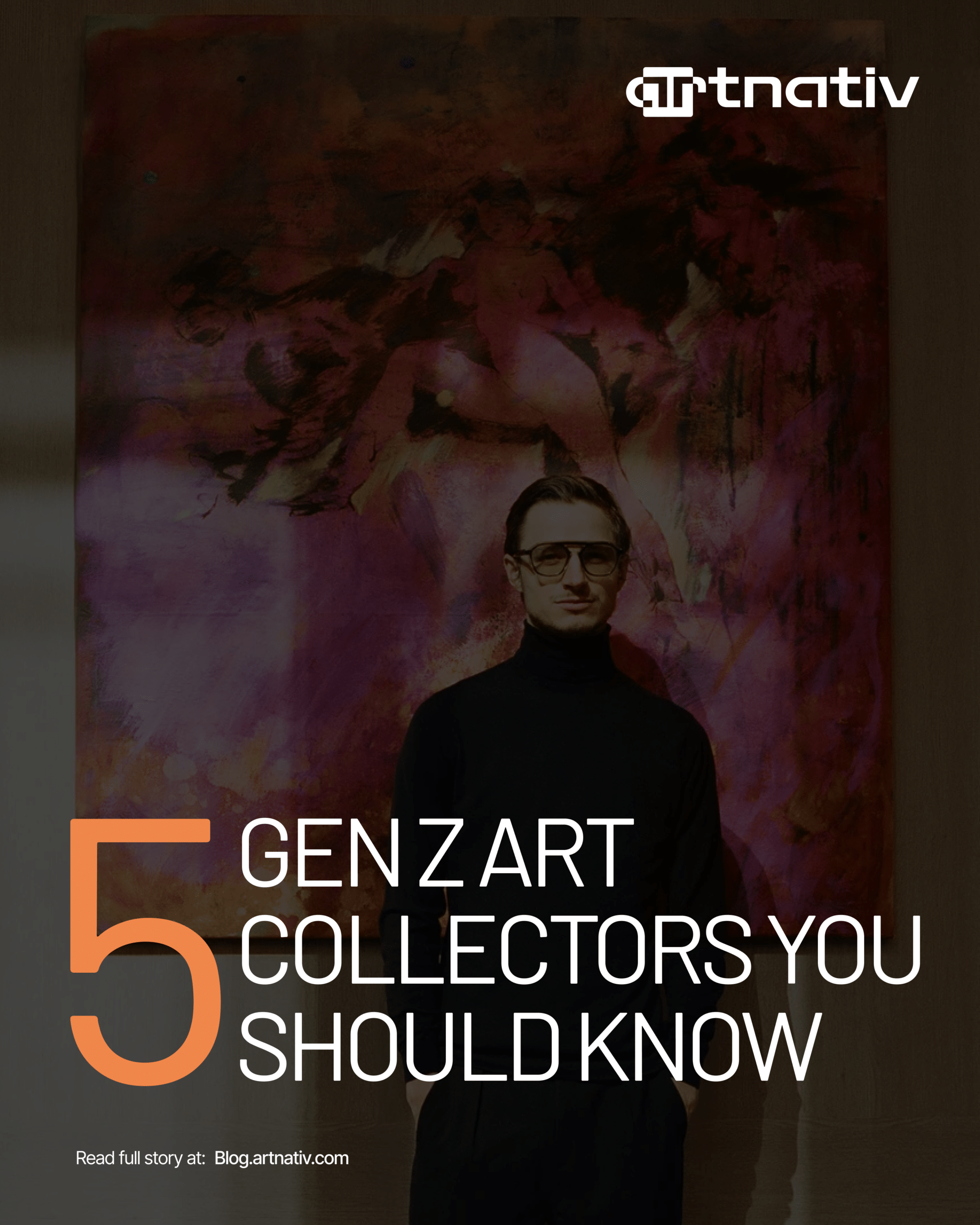
For generations, collecting was often associated with established wealth, private galleries and auction rooms. Today, a younger generation is entering the art world through very different routes from social media and studio visits to art fairs, digital platforms and interdisciplinary cultural spaces.
The shift is reflected in the Art Basel & UBS Survey of Global Collecting 2025, authored by Arts Economics’ Clare McAndrew. The survey of 3,100 high-net-worth collectors across 10 markets found that Gen Z and Millennials are collecting across a wider range of fine-art mediums than older generations, with Gen Z showing the highest participation in digital art and film and video art.
At the same time, the channels through which collectors encounter art are expanding. The same survey found that 83% of respondents had bought through a gallery or dealer in person, online, through social media or at an art fair, while 51% of collectors who bought from dealers had made at least one purchase through Instagram without seeing the work in person.
Against this changing landscape, several young collectors are beginning to attract attention for the ways they approach art, artists and collecting itself.
Here are five collectors who have recently been profiled by publications and institutions across the art world.
01 — Patrick Finnegan
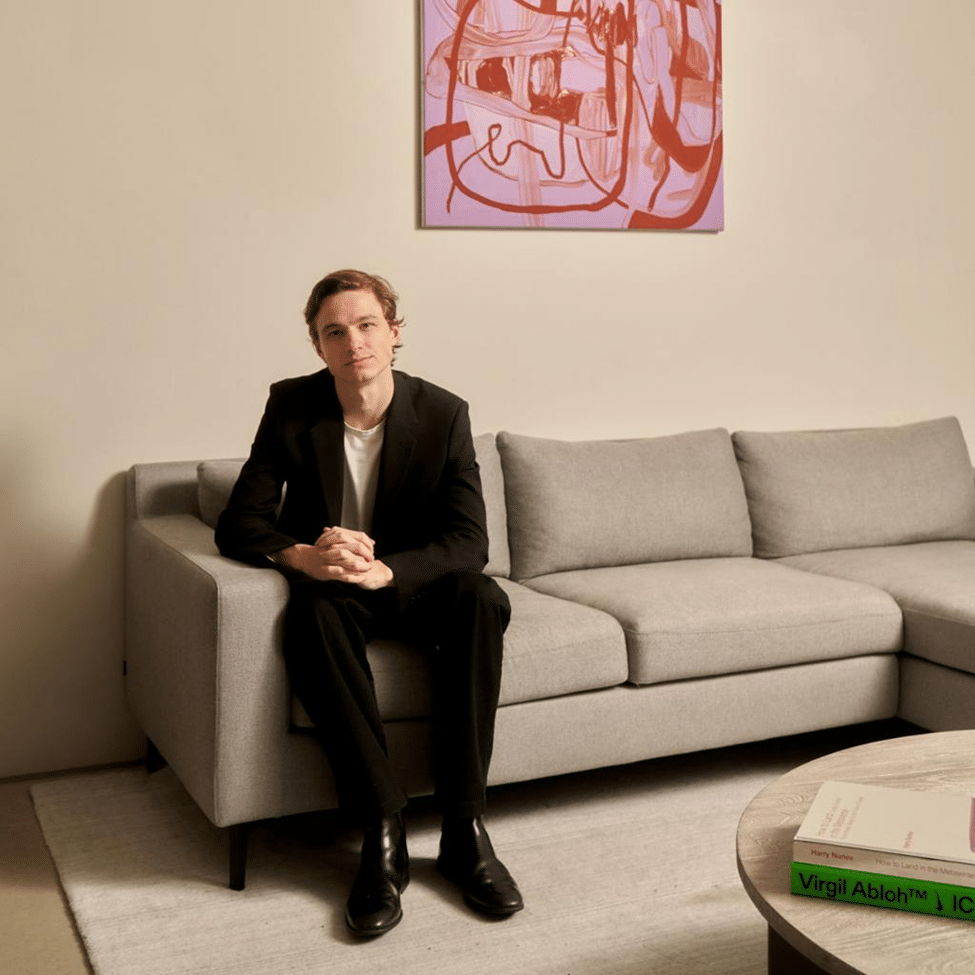

Patrick Finnegan. Portrait by Anafer Flores. Courtesy of Patrick Finnegan.
Patrick Finnegan’s journey into collecting began relatively early. According to his profile in CULTURED, his first artwork came from a charity auction at SoHo Arts Club in Lower Manhattan, where he purchased a painting by Con$umr. That first acquisition remained the entirety of his collection for several years before he began collecting more seriously.
Since then, his collection has expanded considerably, with works by artists including Anna Weyant, Seth Becker, Jorge Galindo, Daniel Correa Mejía and Alexander James. He has also worked with art advisor Ralph DeLuca, whose guidance Finnegan credits with helping him develop his eye and build relationships with galleries.
What makes Finnegan’s approach particularly interesting is the personal element behind his acquisitions. In his conversations with CULTURED and Artsy, he has described collecting as something rooted in an emotional and visual response to the work rather than simply its market value. He has also spoken about the importance of developing personal relationships with artists.
His background is somewhat unconventional for someone operating within the contemporary art world. Raised in Williamstown, Massachusetts, he grew up visiting institutions such as the Clark Art Institute and MASS MoCA before moving into venture capital and establishing Second Sight Ventures.
Today, his collection reflects both his interest in established artists and his enthusiasm for discovering emerging practices. His story is a reminder that a collector’s relationship with art can begin with something as simple as encountering a work that refuses to leave your mind.
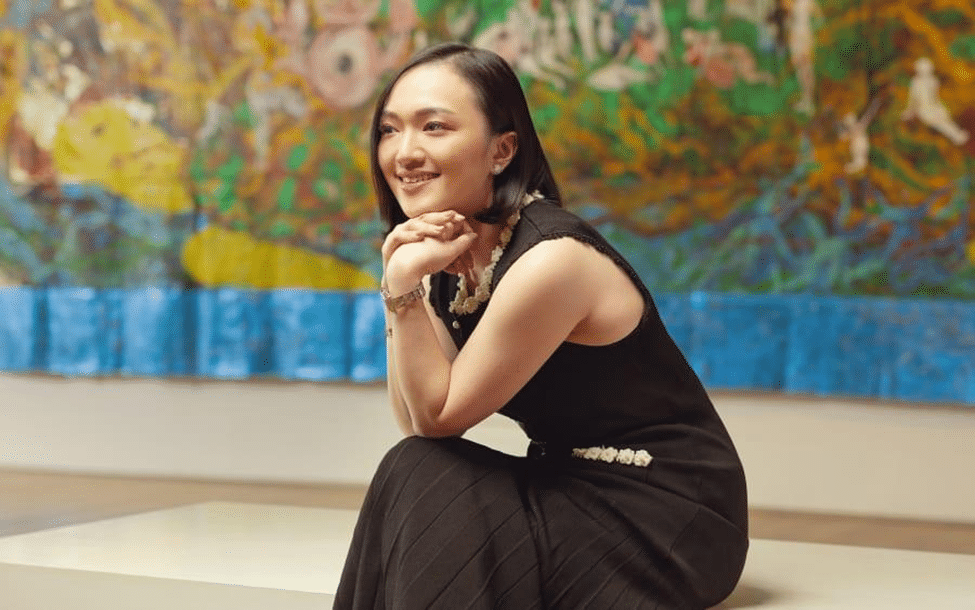
02 — Matilda Liu
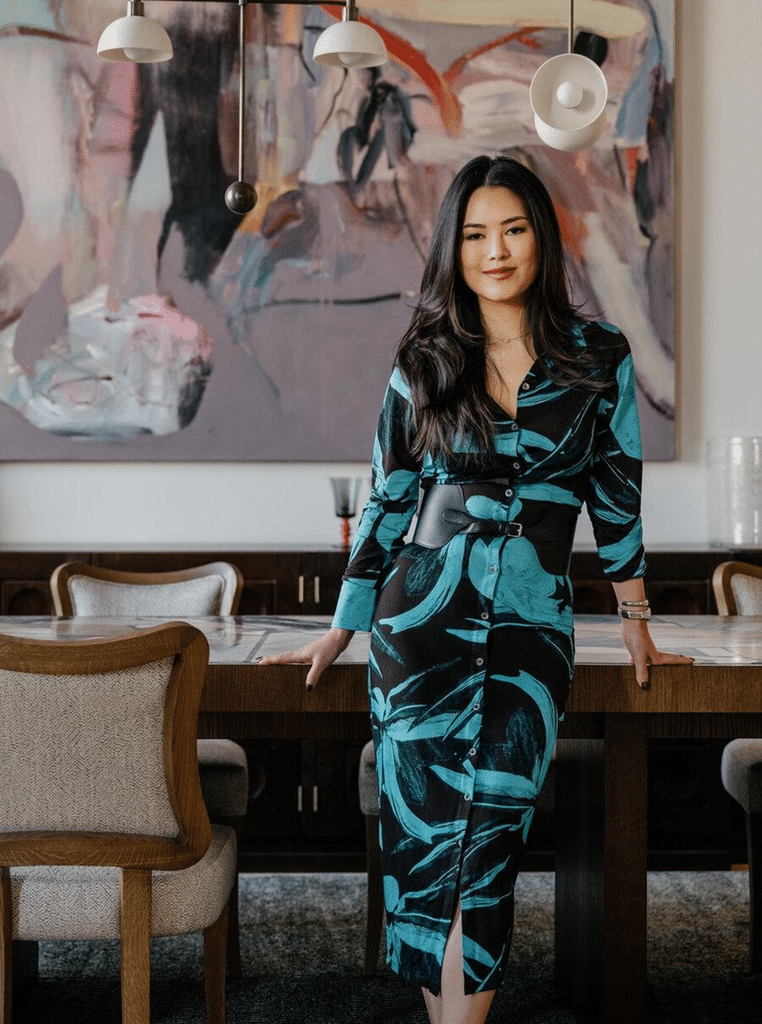

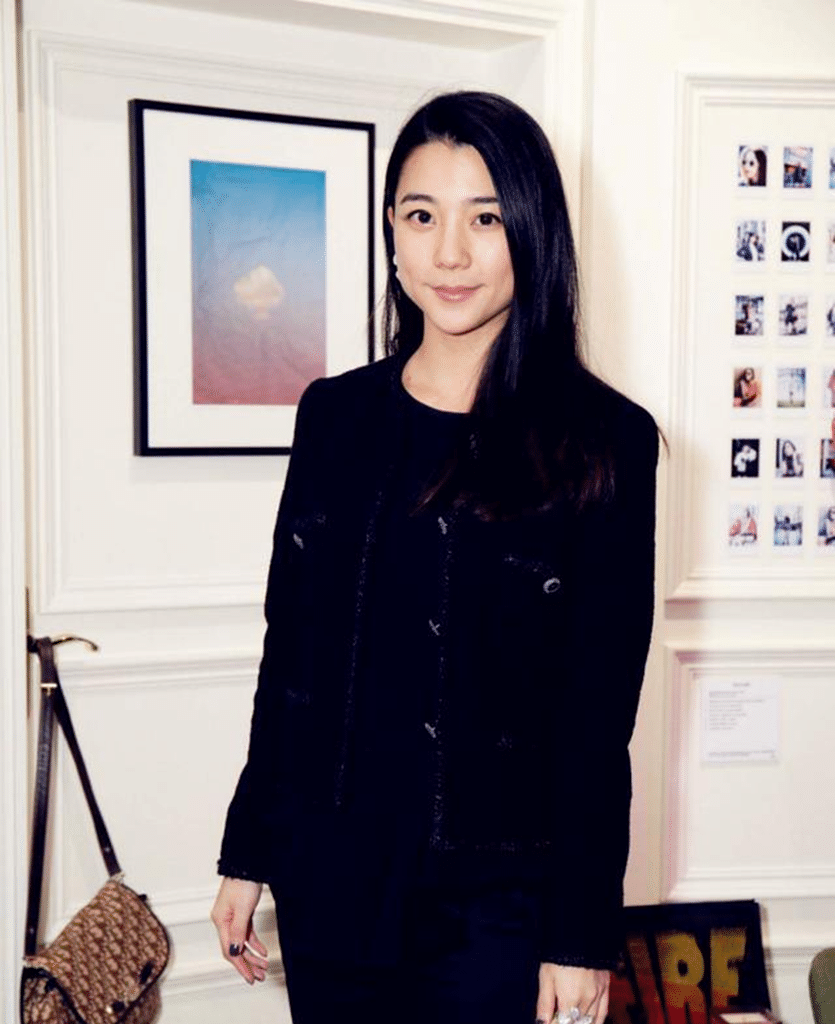
Matilda Liu. Portrait by James Retief. Courtesy of Matilda Liu.
For Matilda Liu, collecting is as much about people as it is about objects.
California-born and based in London, Liu moved to the city in 2016 to study curation and art business. Her collection has developed across emerging and established artists, with names including Gus Monday and Antony Gormley appearing within her collecting practice. Artsy’s profile of Liu places particular emphasis on the relationships she has developed with galleries and artists on both sides of the Atlantic.
But Liu has taken the social side of collecting even further through Meeting Point Projects, an initiative that brings people together through supper clubs and exhibitions. The idea reflects a broader understanding of what participation in the art world can look like.
For Liu, the value of collecting does not stop when an artwork enters a home. The conversations, relationships and communities that form around art can be just as important.
Her perspective also challenges the idea that younger collectors necessarily enter the art world looking for the most recognisable names. Instead, Liu’s practice demonstrates an interest in creating connections between artists, collectors and wider creative communities.
That makes her approach particularly relevant to a generation for whom cultural participation increasingly happens across different spaces rather than within traditional institutions alone.
03 — Tia Tanna
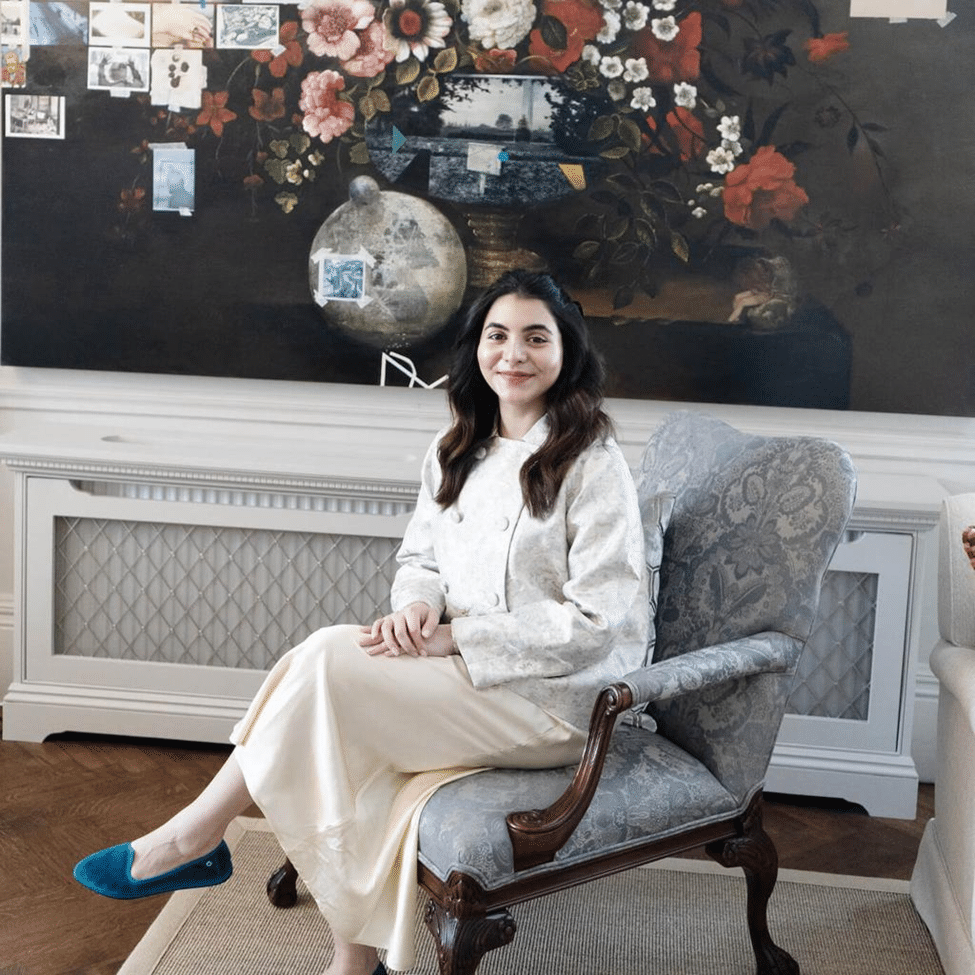
Tia Tanna at home in London with Ged Quinn’s Cut, 2015. Photography by Helen Court. Courtesy of Tanna.
At just 24, London-based collector and curator Tia Tanna has already developed a collecting practice that stretches across contemporary art, photography, fashion and Middle Eastern art.
Her relationship with collecting began within her family. CULTURED reports that Tanna’s father began collecting on her behalf when she was young, giving her an early exposure to the ways in which a collection can evolve over time. She has since taken a more active role in shaping the collection herself.
Tanna’s interests are particularly interdisciplinary. Her first personal acquisition was a Sterling Ruby ashtray, while her broader collection includes works and interests spanning photography, textiles, fashion and contemporary art.
Her role extends beyond simply acquiring works. Tanna serves on Tate’s photography acquisitions committee, and she has spoken about the responsibility she feels towards preserving and supporting artists and designers. At any given time, she has around 70 works on loan for exhibitions, demonstrating how a collection can become part of a wider cultural conversation rather than remaining entirely private.
She is also increasingly interested in the relationship between couture and sculpture, viewing garments not only as clothing but as objects that can function within an artistic and installation-based context.
Tanna’s practice is a useful example of how contemporary collecting can cross traditional boundaries. Art, fashion, photography and design do not necessarily need to exist in separate categories — they can all become part of one evolving cultural landscape.
4. Lukas Jakob
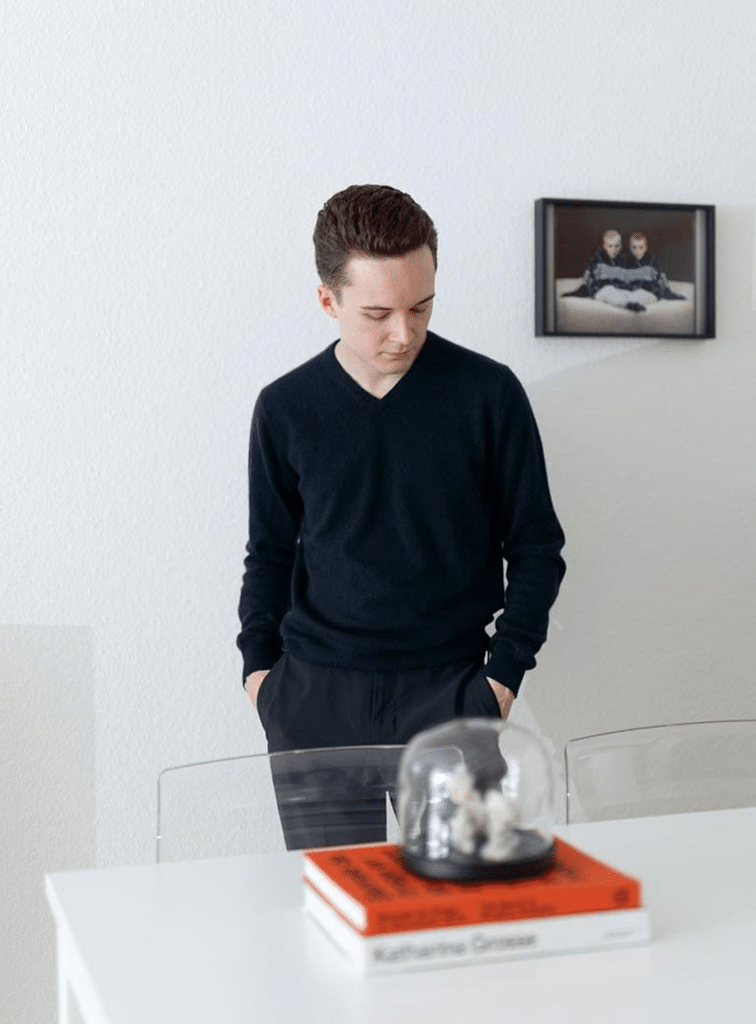
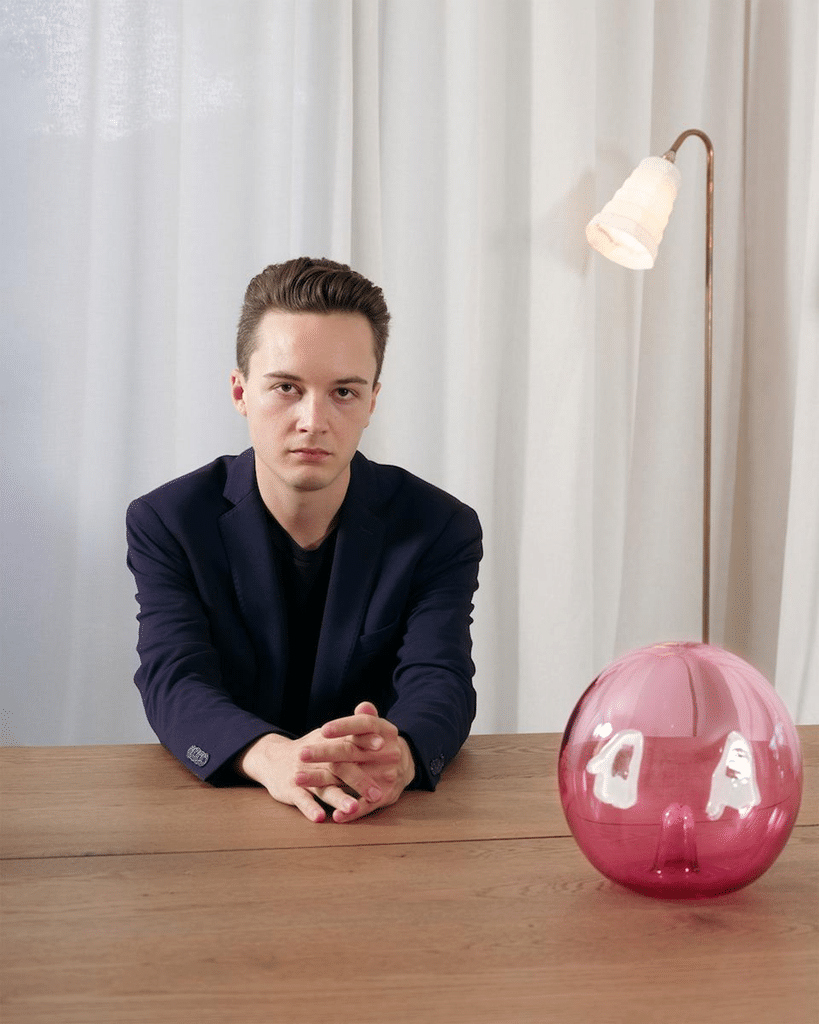
Lukas Jakob. Portrait by Vitali Beidel. Courtesy of Lukas Jakob.
Lukas Jakob began collecting as a teenager, using his first paycheck to purchase a work connected to artist Katharina Grosse. Years later, his collection has grown to more than 100 works and developed into a practice centred on ultra-contemporary art, installation and conceptual ideas.
Based in Freiburg, Germany, Jakob has described his approach to collecting through the idea of being a patron rather than simply a possessor. That distinction is central to understanding his philosophy: the collection is not only about ownership, but about safeguarding, nurturing and giving artworks a longer life.
His interests are particularly focused on artists engaging with themes relevant to his generation, often through futuristic aesthetics and installation-based practices. Artists represented in his collection include Gabriella Torres-Ferrer, Jaime Welsh, Jasmine Gregory, Thomas Liu Le Lann and Zuzanna Czebatul.
What is also striking about Jakob’s story is how early his engagement with contemporary art began. His first purchase was made as a teenager, and his collecting has continued to develop alongside his own understanding of the art world.
His collection has since moved beyond private ownership and into exhibitions and public conversations. In 2026, the Jakob Collection was presented in Anti Heroes at Villa Merkel in Esslingen, further demonstrating how young private collections can become part of institutional and public-facing cultural programming.
For Jakob, collecting seems to be less about arriving at a finished collection and more about remaining curious about where contemporary art is going.
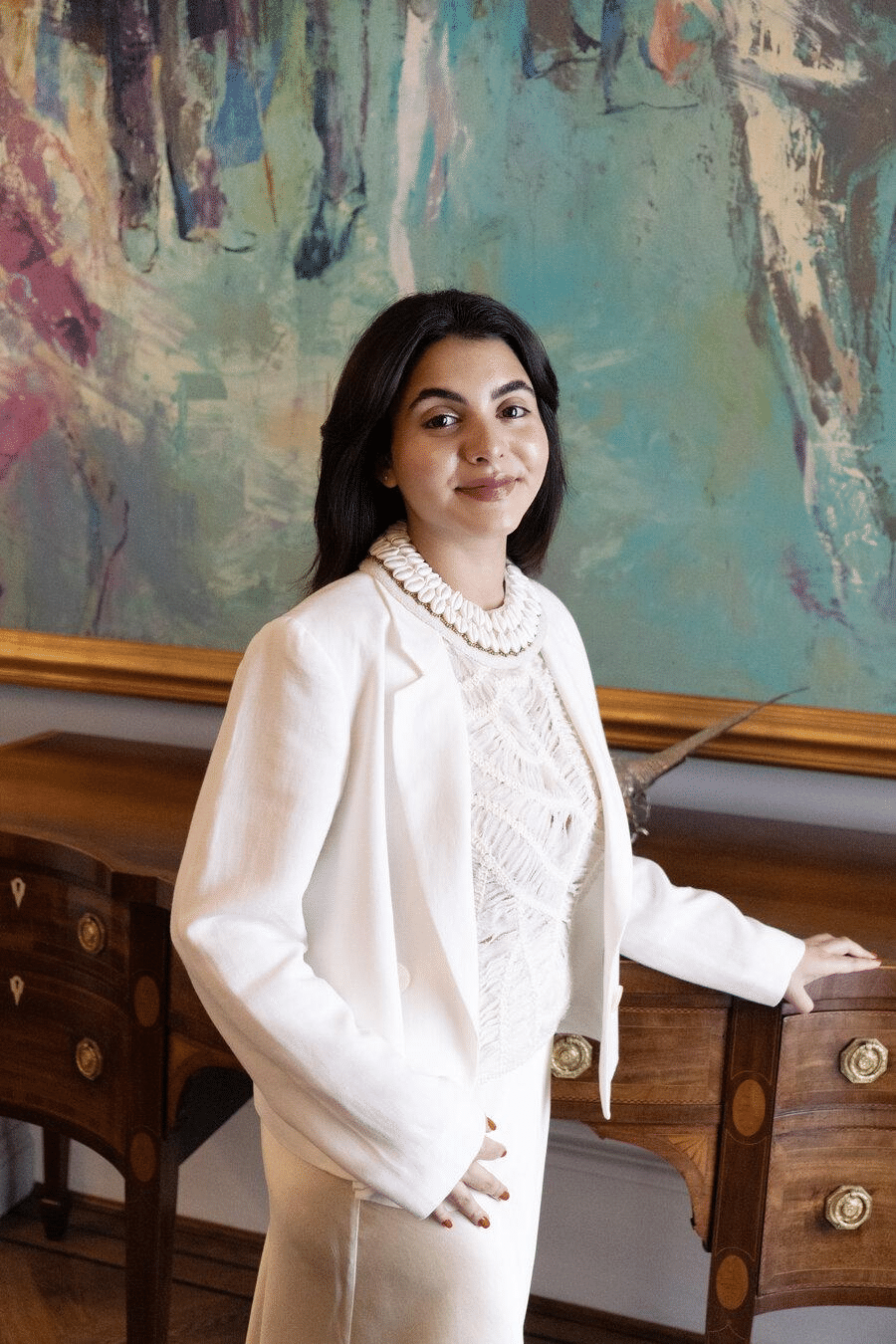
5. Abby Smidt
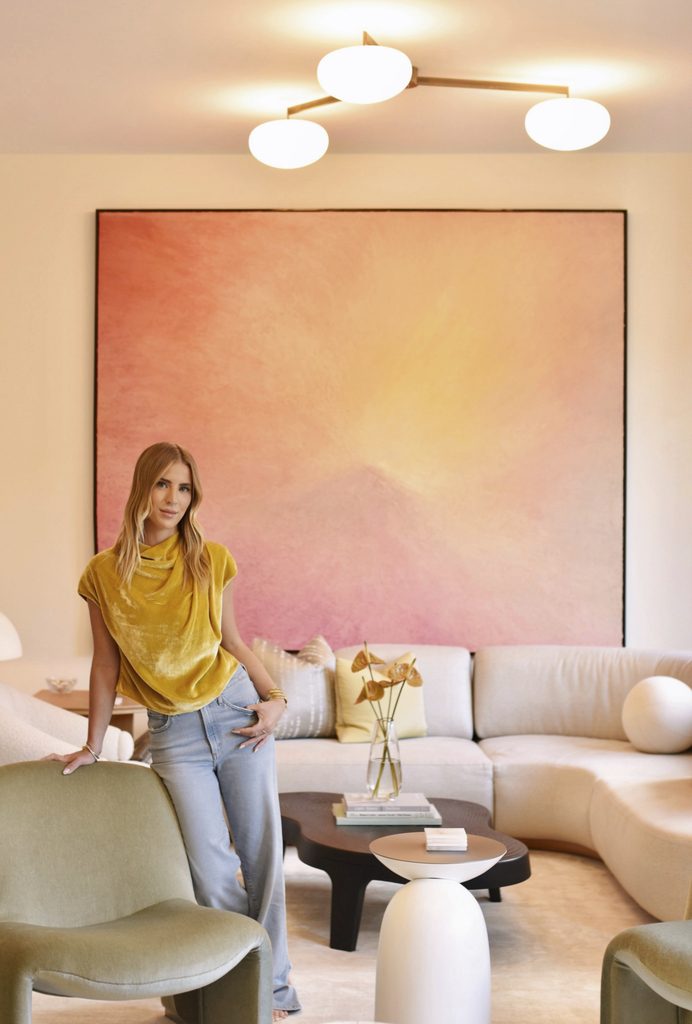
Abby Smidt. Portrait by Emma Howie. Courtesy of Abby Smidt.
Abby Smidt represents another side of contemporary collecting: a deep curiosity about art history alongside an interest in the present.
Smidt was included in CULTURED’s 2024 Young Collectors list, which highlighted collectors who are actively developing their relationships with artists and the wider art world.
Her approach is notably personal. In a CULTURED feature exploring how young collectors decide when an artwork is right for them, Smidt explained that she needs to experience a work in person before falling in love with it. That emphasis on physically encountering art says something important about collecting in an increasingly digital art market.
While social media and online platforms have made discovering artists easier than ever, the experience of standing in front of an artwork remains central to the way many serious collectors form relationships with pieces.
Smidt’s collecting practice also demonstrates that being a young collector does not necessarily mean being interested only in the newest or most immediately visible names. There is room for looking backwards, exploring different generations of artists and allowing historical context to influence contemporary collecting decisions.
Her story offers another reminder that collecting is ultimately personal. There may be market trends, recommendations and algorithms guiding discovery, but the decision to live with a particular artwork still comes down to the relationship between the person and the work.
A Different Way of Collecting
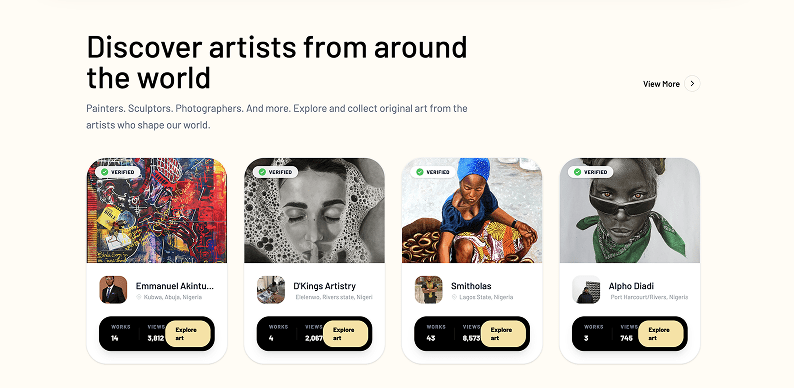
Looking across these five collectors, one thing becomes clear: there is no single way to build a collection.
Finnegan, Liu, Smidt, Tanna and Jakob each approach collecting from different perspectives, but their stories share an interest in discovery, relationships and the role art can play beyond the walls of a private home. Their collections are not simply records of what they have acquired; they also reflect the artists, ideas and cultural conversations they choose to engage with.
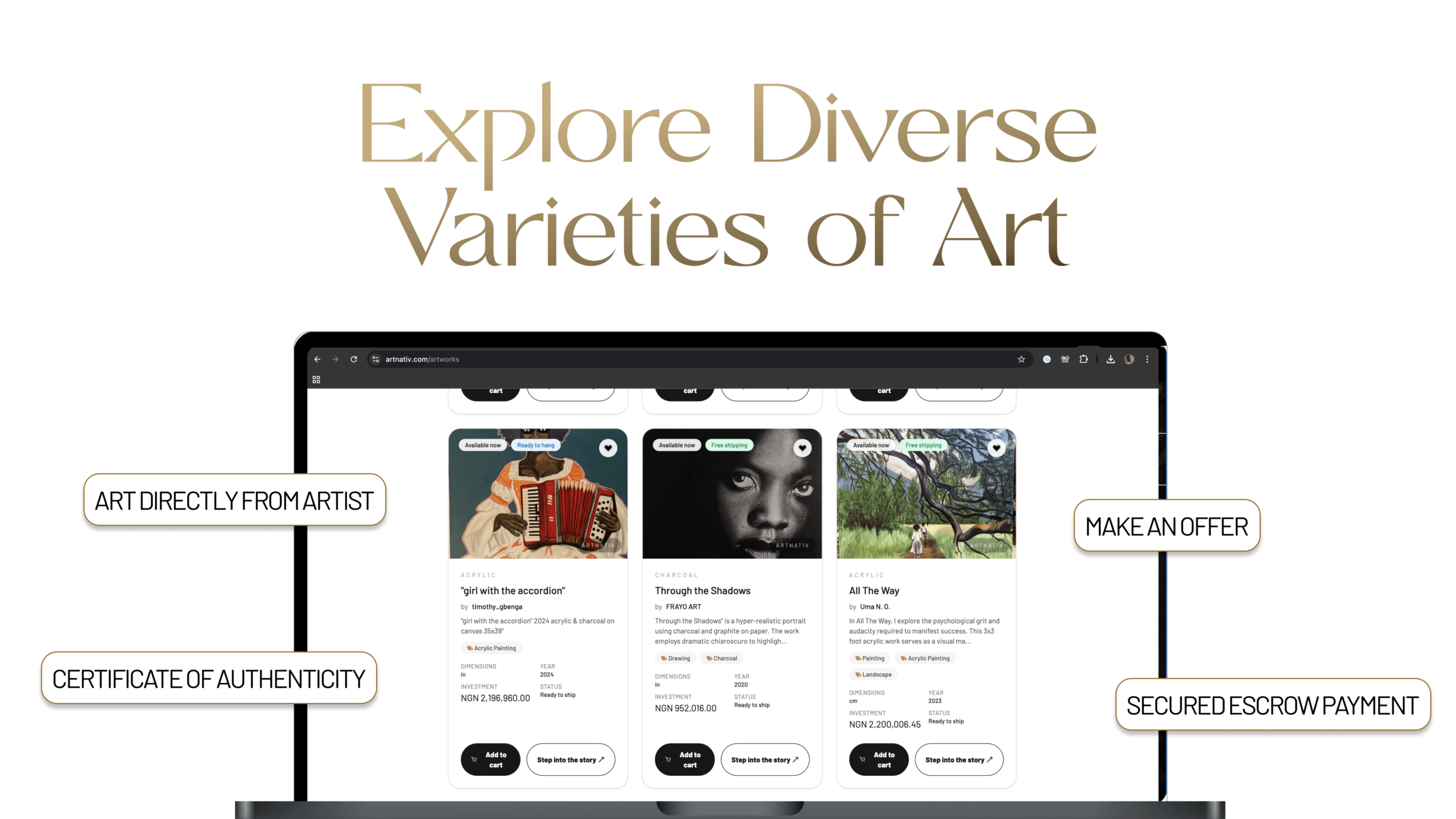
What these young collectors also reveal is that the next generation of art collectors are building their collections differently. Discovery can begin online, whether its an artist’s story, a visual connection or an unexpected work that stays with you. ArtNativ is for that kind of collecting that gives the new generation of art lovers the opportunity to discover distinctive artists, explore original works and follow the practices that genuinely resonate with them. Whether you are starting your first collection or developing your eye over time, ArtNativ offers a place to discover amazing artists and works that could shape your own collecting journey.