
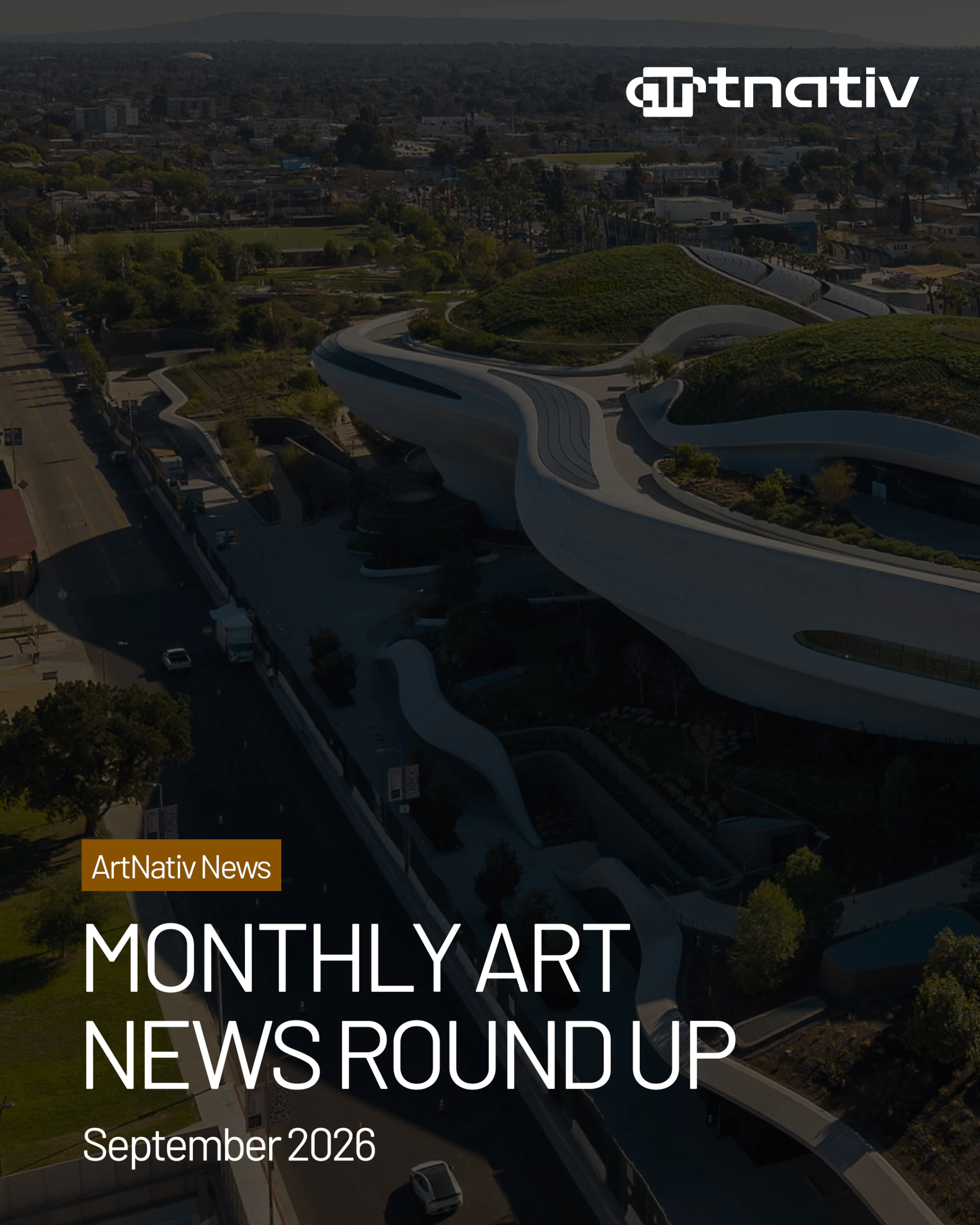
ArtNativ monthly news opening
September made headlines. From stolen masterpieces and museum milestones to biennials, public art and debates reshaping the cultural landscape, Artnativ rounds up the stories that had the art world talking.
Two Renoir Paintings Stolen From a French Museum
In September, thieves broke into the Musée Renoir in Cagnes-sur-Mer, France, and stole four paintings by Pierre-Auguste Renoir. Two of the works were later abandoned as the thieves fled, but La Jeune Femme au puits and Portrait de Madame Colonna Romano remained missing. The stolen paintings are estimated to be worth around €9 million.
The incident has once again drawn attention to the security challenges facing museums, particularly smaller institutions that care for historically significant works outside the major museum networks. It also serves as a reminder that art theft remains an ongoing threat to cultural heritage, with stolen works potentially disappearing from public view for years.
According to Reuters, the thieves entered the museum after cutting a hole in a garden fence and breaking through a window. Police were alerted quickly after the museum’s alarm system was triggered, and two other paintings that had initially been taken were abandoned in the garden. The stolen Renoirs had been loaned to the Musée Renoir by the Musée d’Orsay in Paris. The museum itself was once Renoir’s home, adding another layer of significance to the theft.
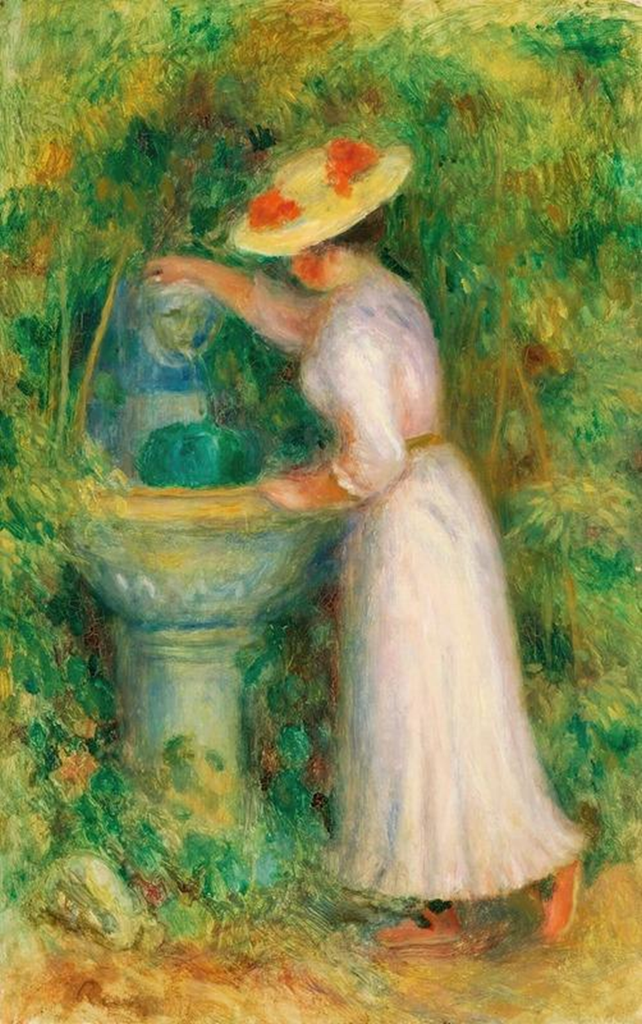
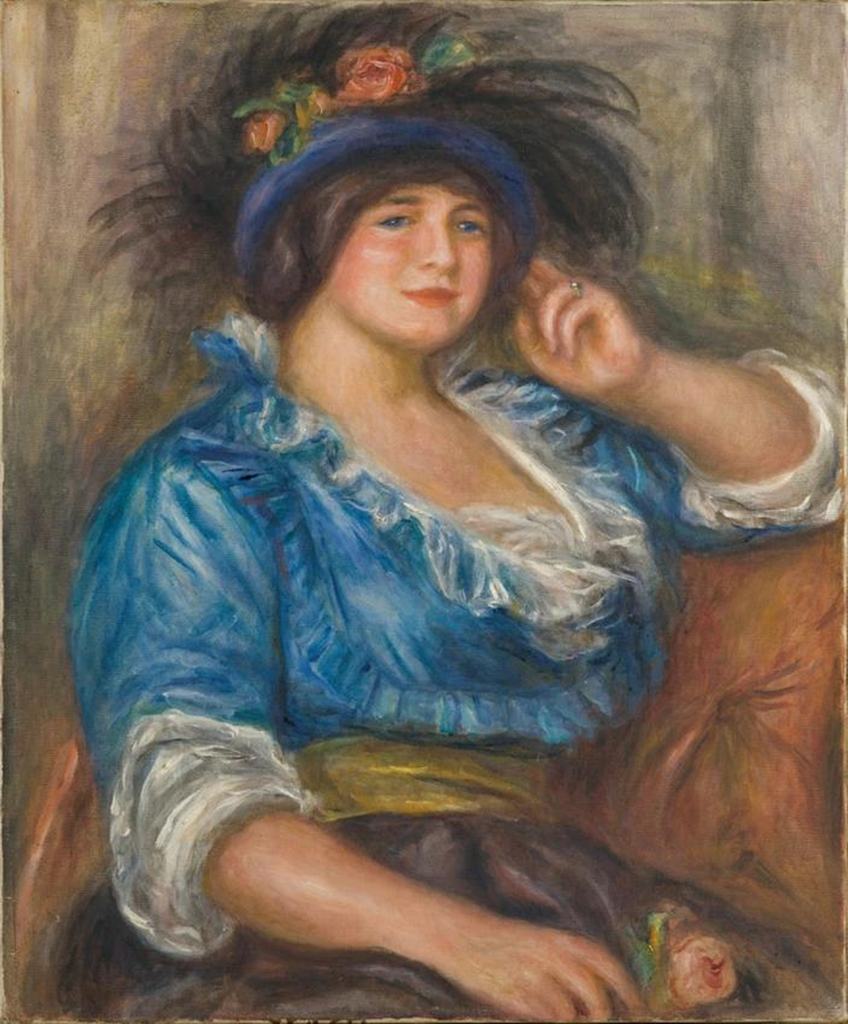
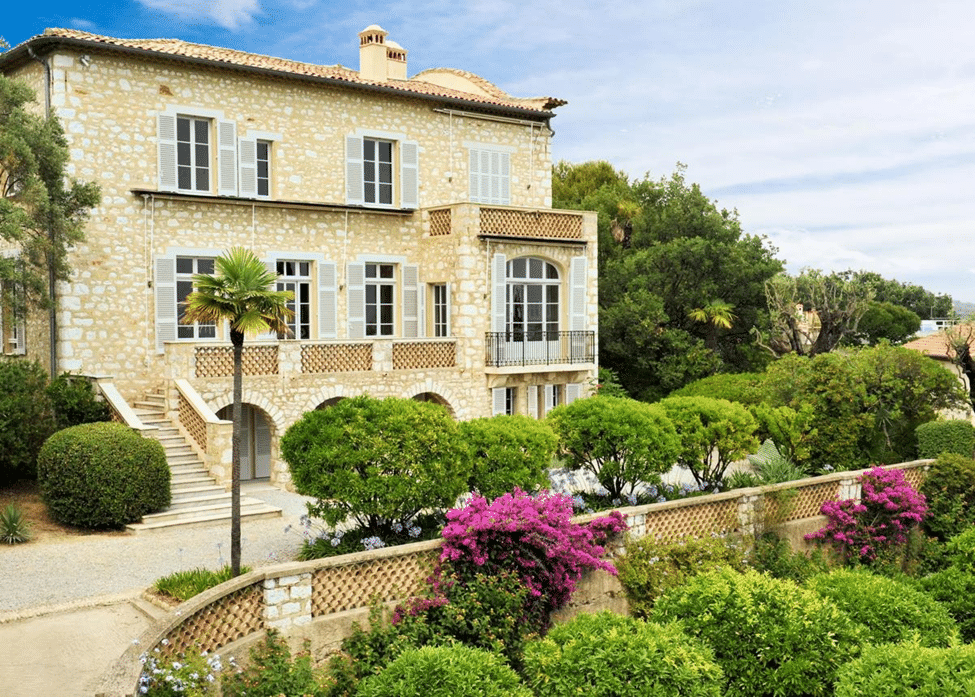
Musée Renoir
Gwangju Biennale Opens Amid Taiwan Pavilion Controversy
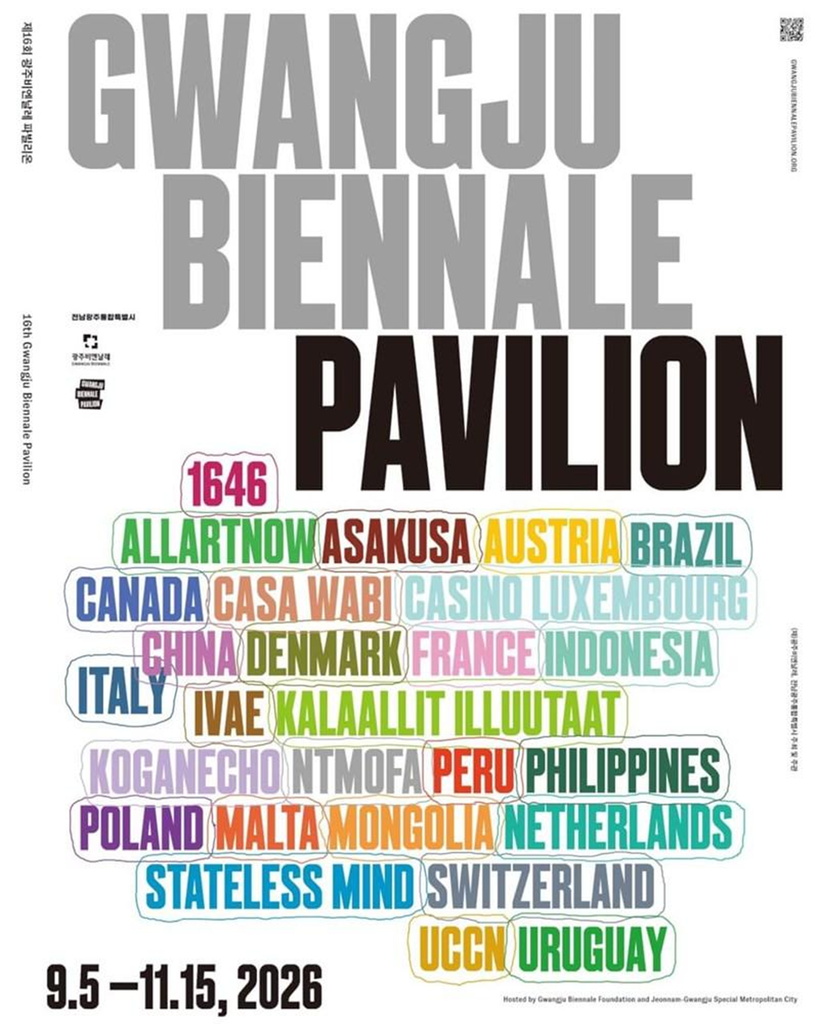
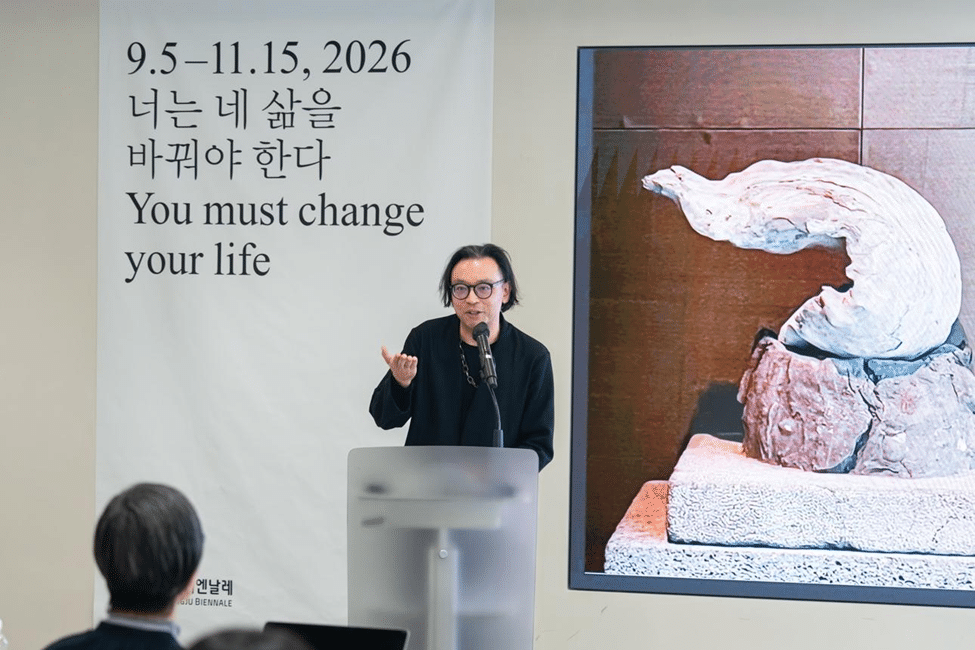
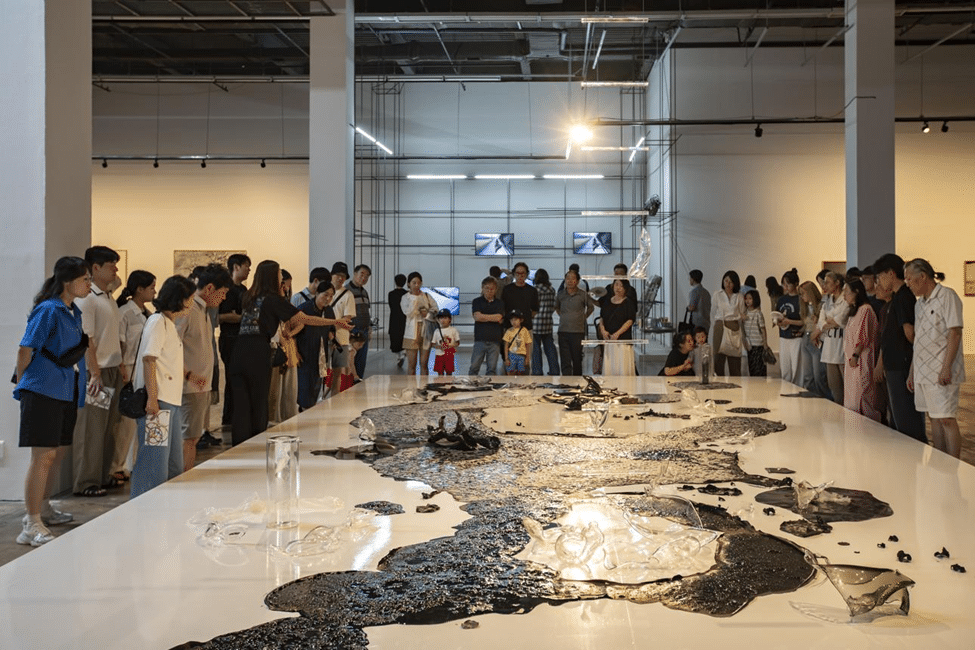
The 16th Gwangju Biennale opened in South Korea on September 5, with a Taiwan Pavilion becoming the focus of a dispute over how the pavilion should be identified. The organisers initially changed the name from “Taiwan Pavilion” to “NTMoFA Pavilion,” referring to Taiwan’s National Taiwan Museum of Fine Arts, before reversing the decision. The change prompted objections from Taiwan and a separate expression of concern from China.
The episode highlights how international contemporary-art exhibitions can become spaces where questions of cultural identity and diplomatic representation intersect. At the same time, the exhibition itself continues with its broader programme of artists and national and institutional pavilions, making Gwangju one of the key contemporary art events to watch this autumn.
The pavilion ultimately opened under the name “Taiwan Pavilion,” after the Gwangju Biennale Foundation reversed its earlier decision. Yonhap News Agency reported that the biennale features 16 national pavilions and 11 institutional pavilions. The episode became one of the month’s more complicated art-world stories because it showed how the presentation of contemporary art can sometimes intersect with wider questions of national and cultural representation.
Seoul’s Art Market Draws International Attention
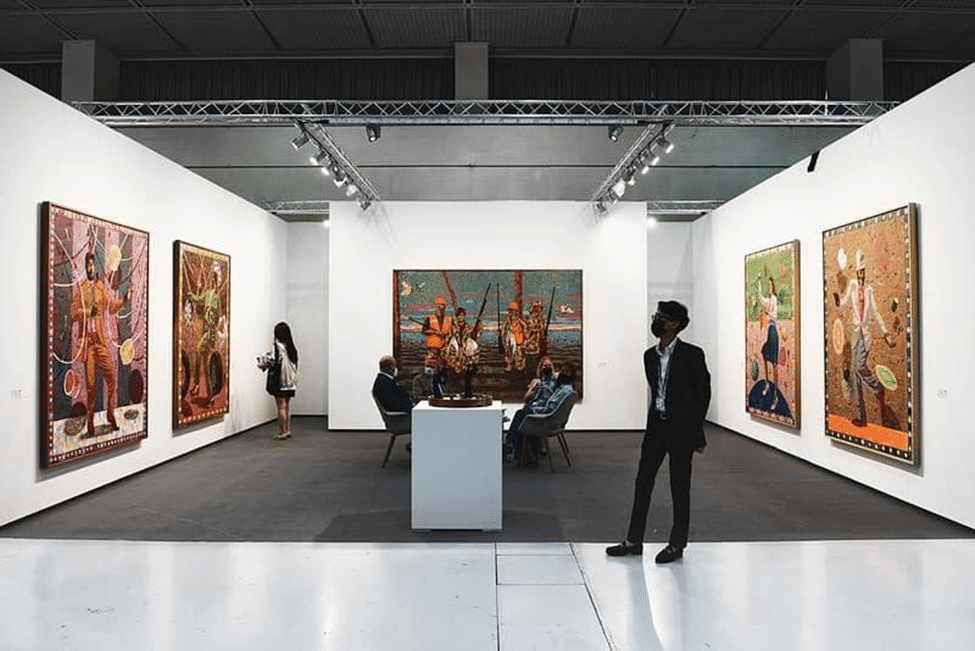
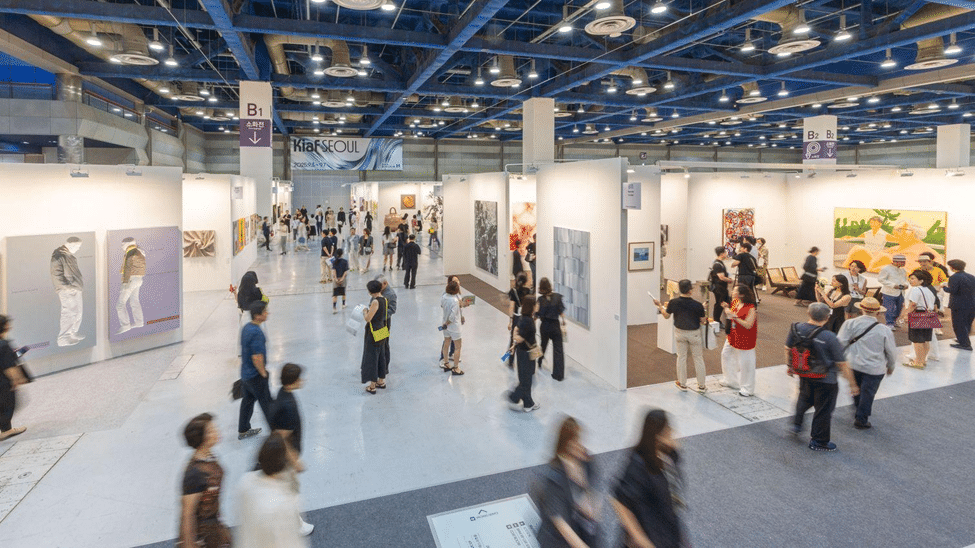
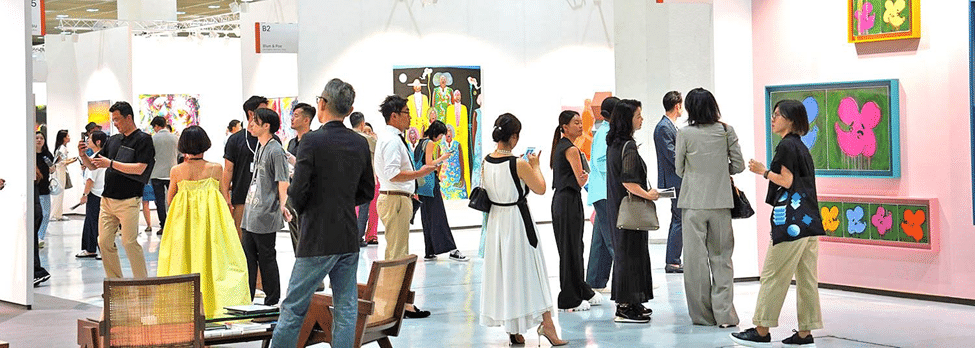
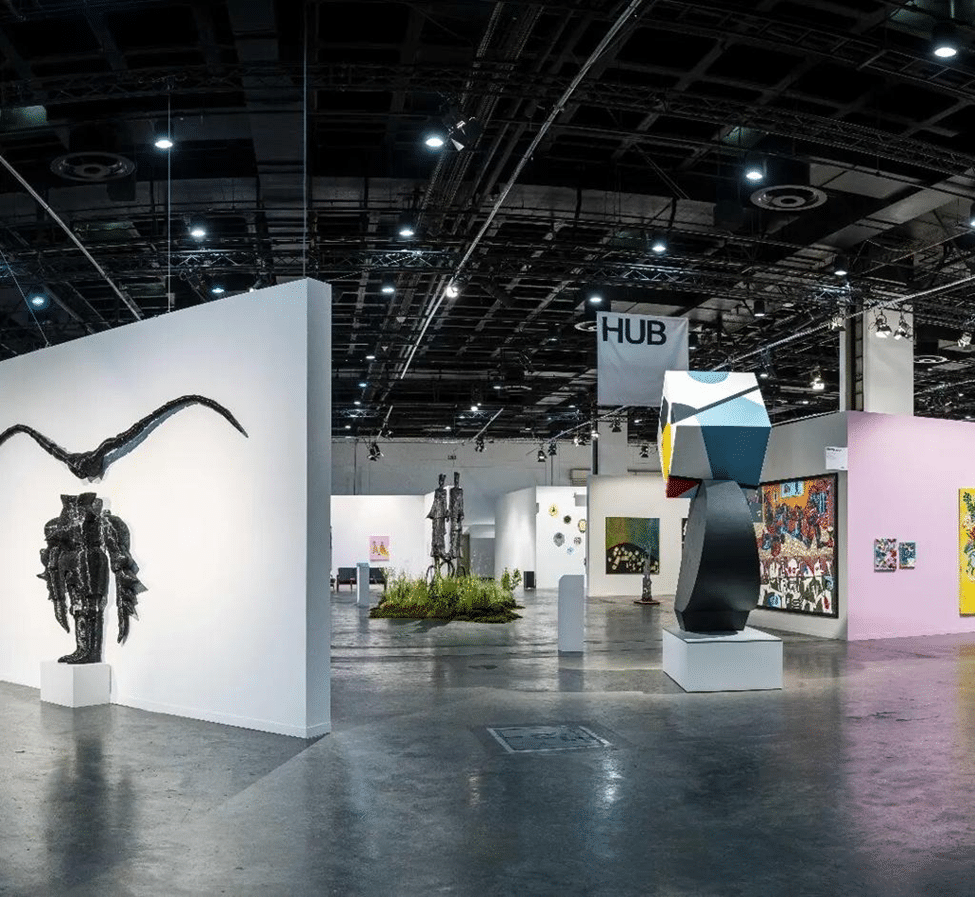
September brought the return of Frieze Seoul and Kiaf Seoul, once again placing South Korea at the centre of the international art-market conversation. Frieze Seoul featured galleries from across the world, while Kiaf brought together an equally broad mix of Korean and international exhibitors. This year’s fairs, however, reflected a more cautious market, with greater attention being paid to emerging artists and lower price points.
The shift offers an interesting picture of where the market is heading. Rather than focusing entirely on established names and high-value transactions, galleries are increasingly looking at younger artists and audiences, while Seoul continues to strengthen its position as an important meeting point between the Korean, Asian and international art markets.
The change was visible across both fairs. The Art Newspaper reported that galleries were being more careful with pricing and were putting greater emphasis on younger artists and more accessible works. It is an interesting shift for a city that has spent the last few years building its reputation as one of Asia’s major art-market destinations. The excitement around Seoul is still there; the way people are buying is simply becoming more considered.
Tschabalala Self’s Lady in Blue Takes the Fourth Plinth
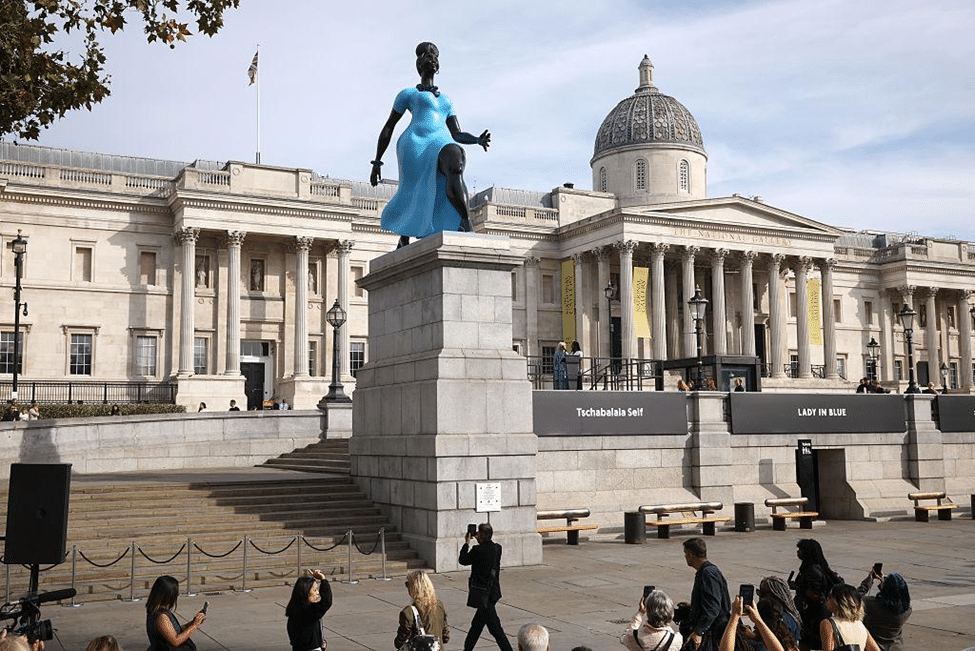
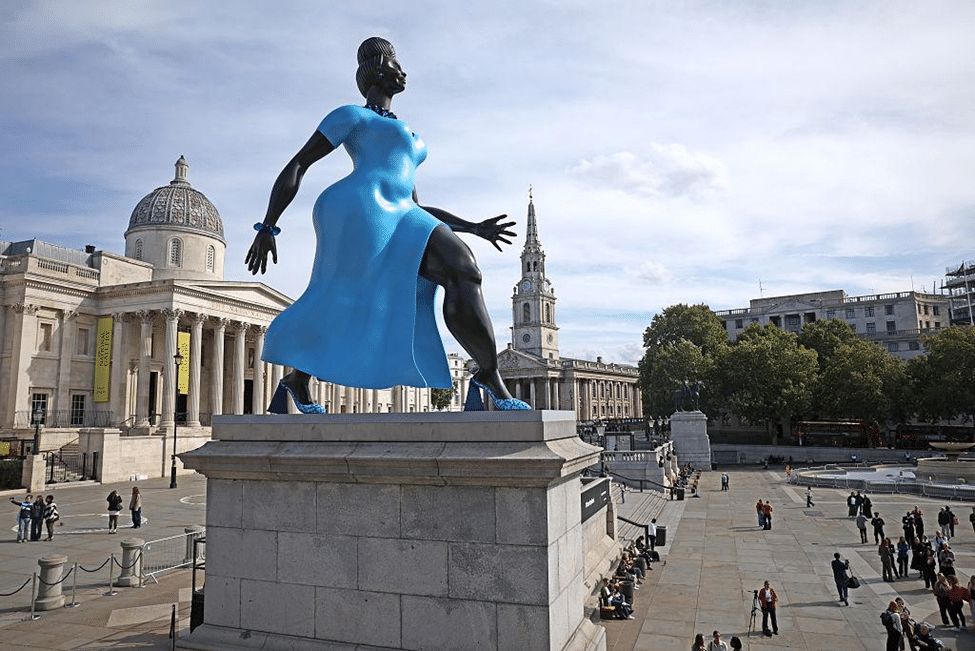
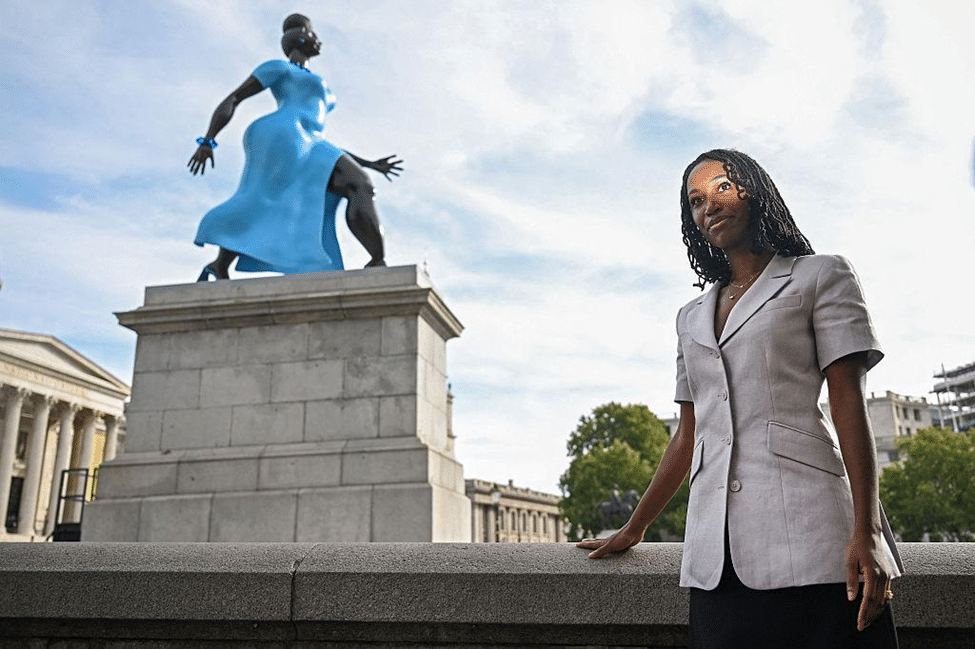
Tschabalala Self’s monumental painted-bronze sculpture Lady in Blue was unveiled on London’s Fourth Plinth in September. The work will remain in Trafalgar Square until 2028, placing Self’s distinctive approach to the representation of the human figure within one of London’s most recognisable public spaces.
The Fourth Plinth has become an important platform for contemporary artists, allowing works that might normally be encountered in galleries or museums to reach an entirely different audience. For Self, the commission also brings her exploration of the Black female figure into direct conversation with the history and symbolism of Trafalgar Square.
As London City Hall noted when the work was unveiled on September 10, Lady in Blue is the 16th commission for the Fourth Plinth. Made from bronze, the figure’s dress is painted a vivid blue and her jewellery echoes the colour of lapis lazuli. There is something especially interesting about seeing a work so rooted in contemporary life placed in a square that is otherwise filled with monuments and historical references.
The Bayeux Tapestry Comes to London
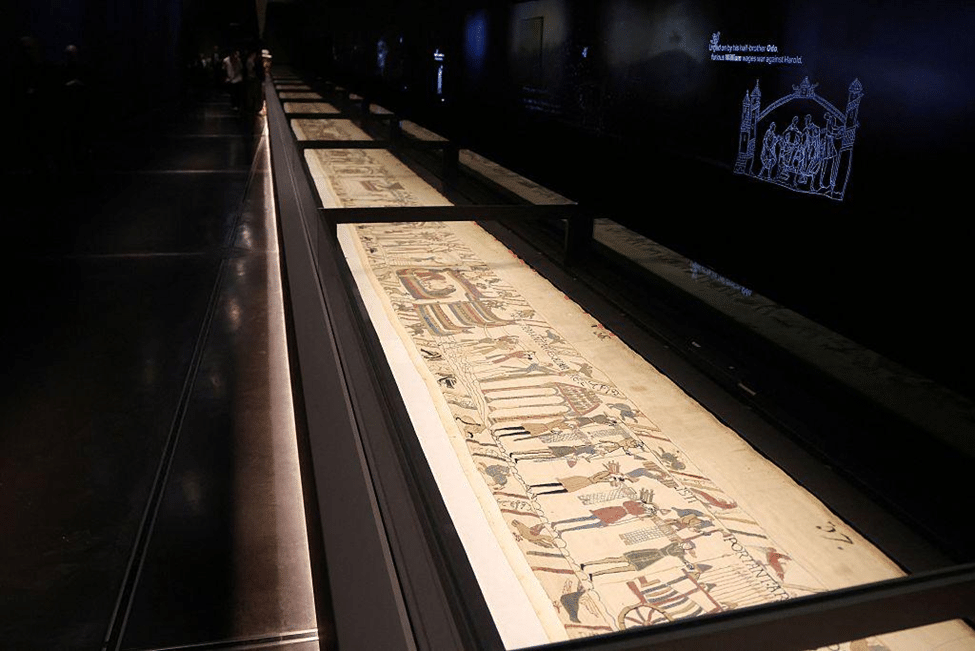
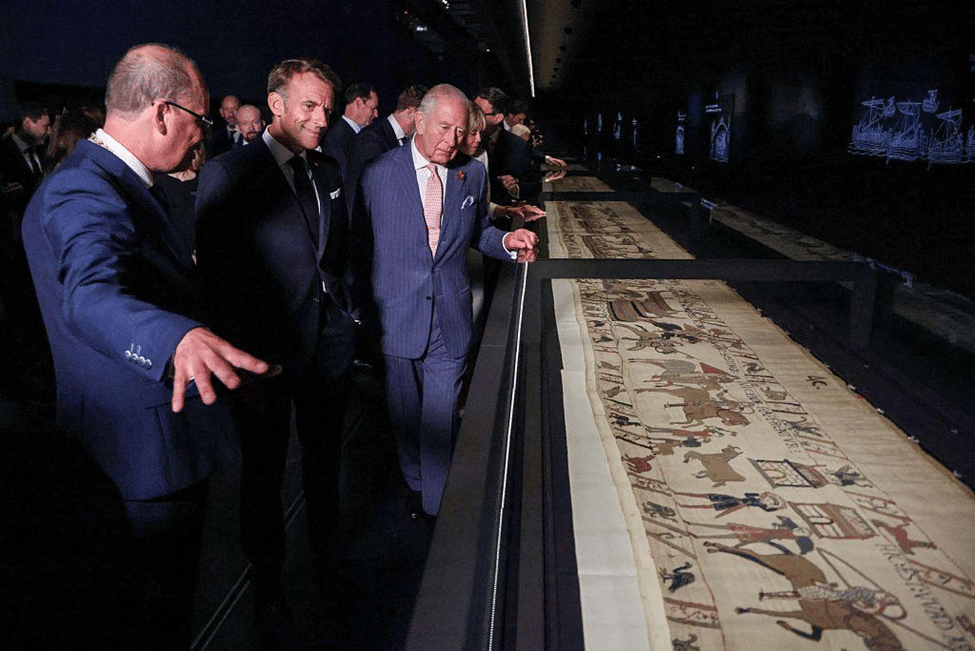
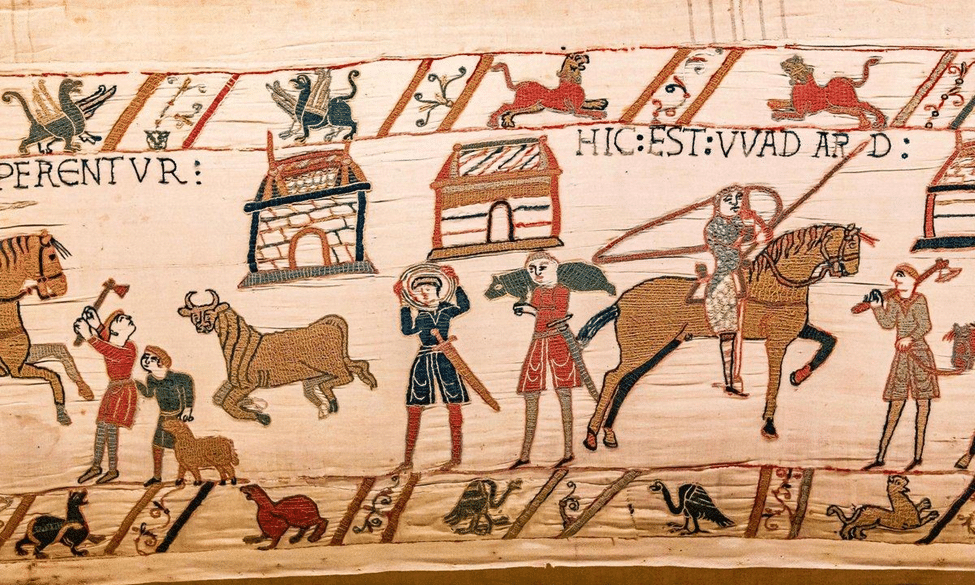
One of September’s major museum moments was the arrival of the Bayeux Tapestry at the British Museum. The medieval embroidered work, which tells the story surrounding the Norman conquest of England, is being displayed in London following a major loan from France.
The exhibition is significant beyond the opportunity to see one of Europe’s best-known historical objects. The tapestry’s journey also highlights the role of international museum loans in making cultural heritage accessible to new audiences, while creating opportunities for institutions to collaborate around conservation, scholarship and interpretation.
The tapestry will remain at the British Museum from September 2026 until July 2027. The UK Government described the loan as the first time the work has been in Britain for more than 900 years. Beyond the excitement of finally seeing it in London, the exhibition gives audiences the chance to experience the tapestry as a physical object, something quite different from encountering its famous scenes through photographs or history books.
The Lucas Museum of Narrative Art Opens in Los Angeles
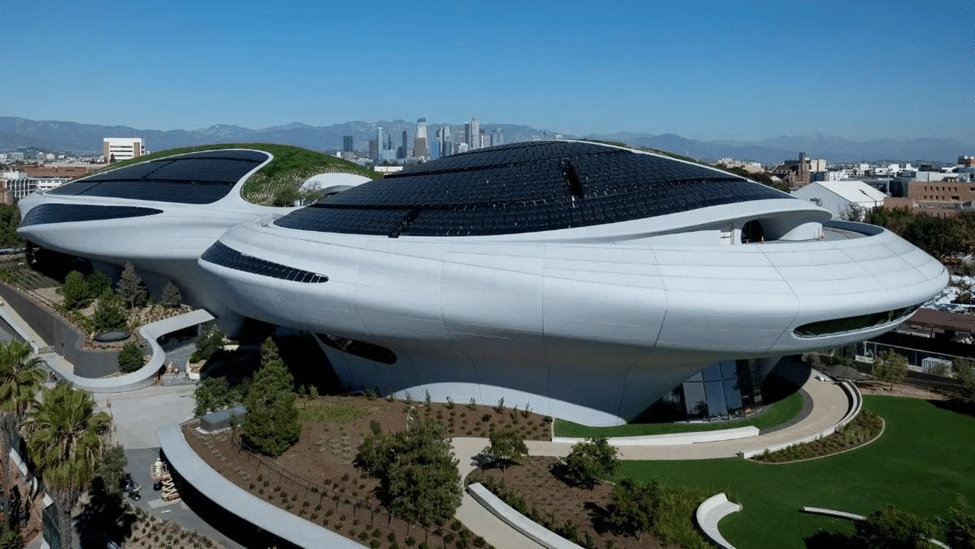
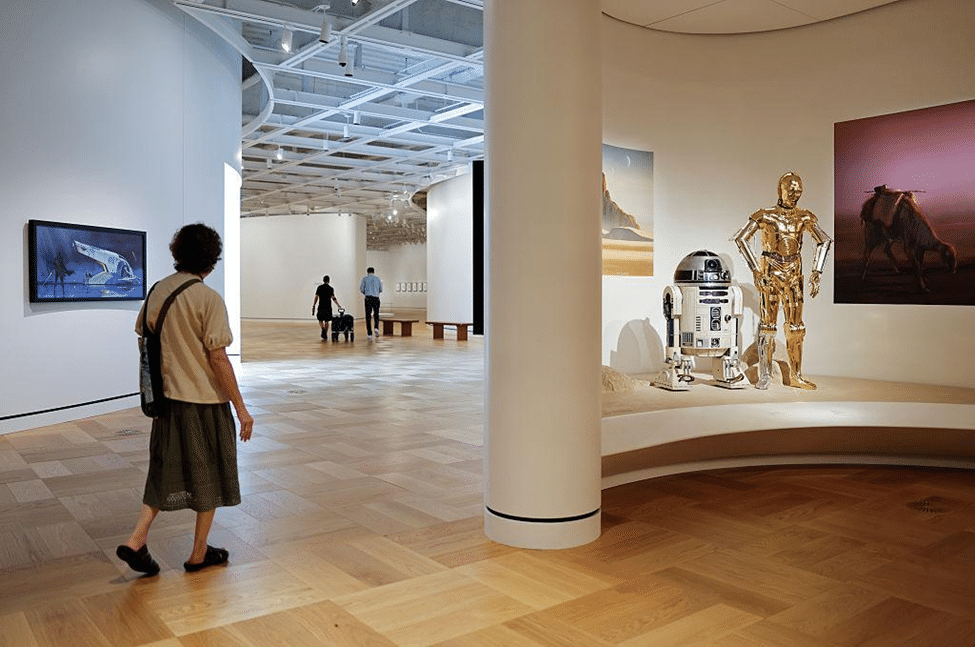
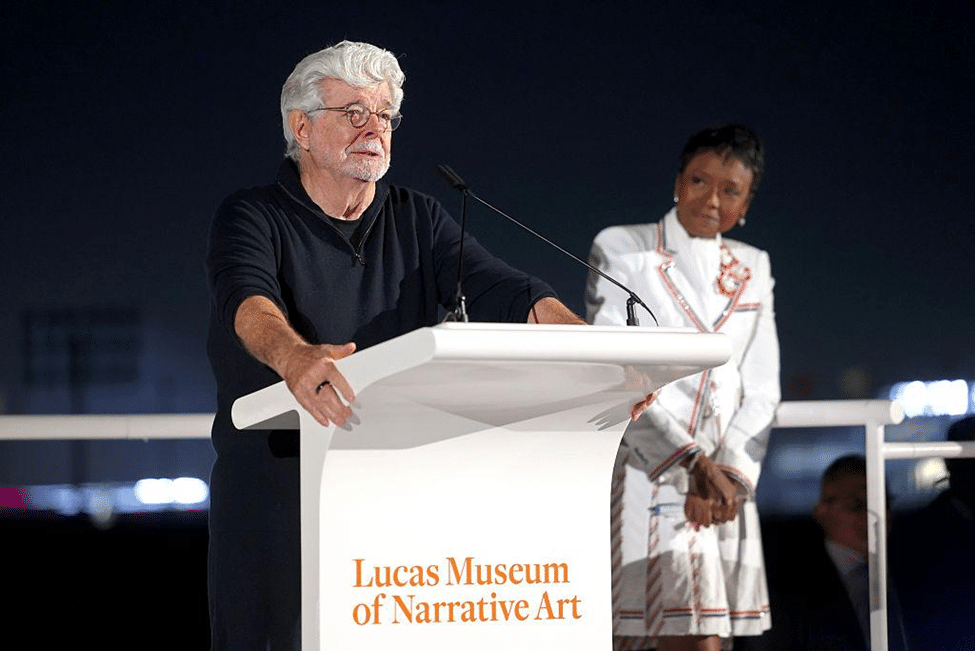
After years of development, the Lucas Museum of Narrative Art opened to the public in Los Angeles in September. Founded by filmmaker George Lucas and philanthropist Mellody Hobson, the museum brings together painting, illustration, photography, comics, animation and film, all connected by the idea of visual storytelling.
The museum’s opening adds a significant new institution to Los Angeles while also challenging the boundaries between traditional fine art and popular visual culture. By bringing these different mediums together, the museum presents narrative as a thread connecting forms of art that are often separated by conventional museum categories.
The museum opened its doors on September 22 at Exposition Park, welcoming visitors into a collection that stretches from prehistoric cave paintings to comics, cinema, illustration and murals. According to the Lucas Museum of Narrative Art, the museum occupies a 300,000-square-foot building surrounded by a new 13-acre campus. Its opening is significant not only because of its size, but because it asks a fairly simple question with a surprisingly broad answer: what happens when we look at all forms of visual storytelling as part of the same conversation?
Museums Continue to Revisit Provenance and Restitution
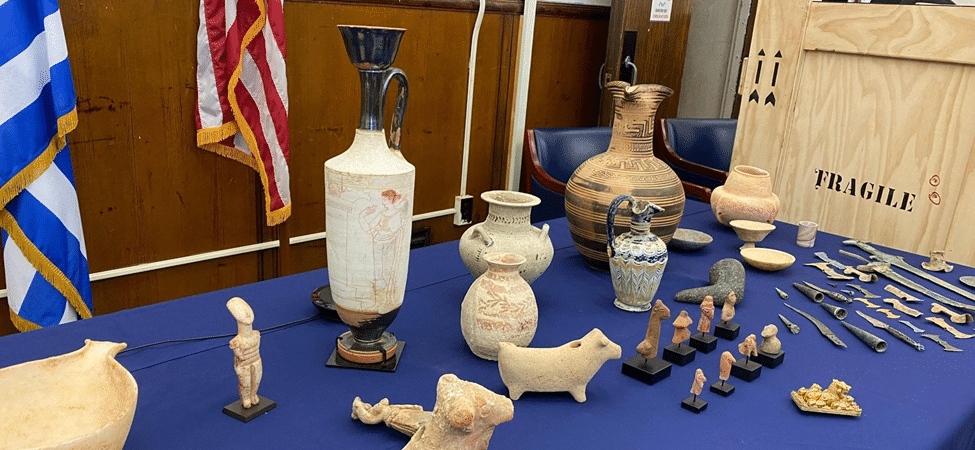
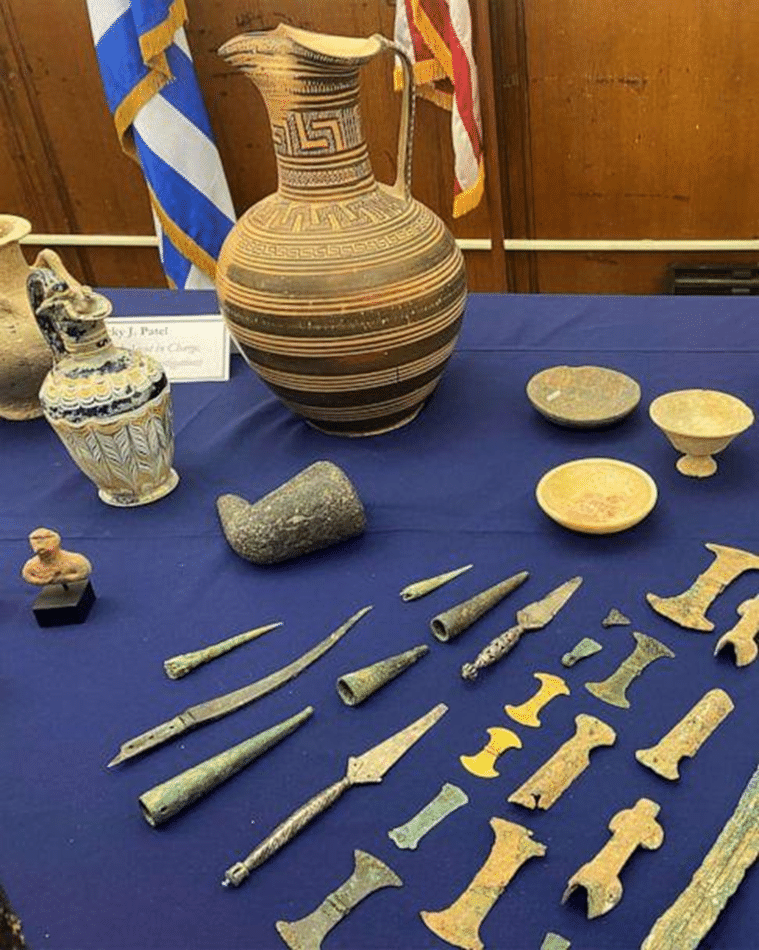
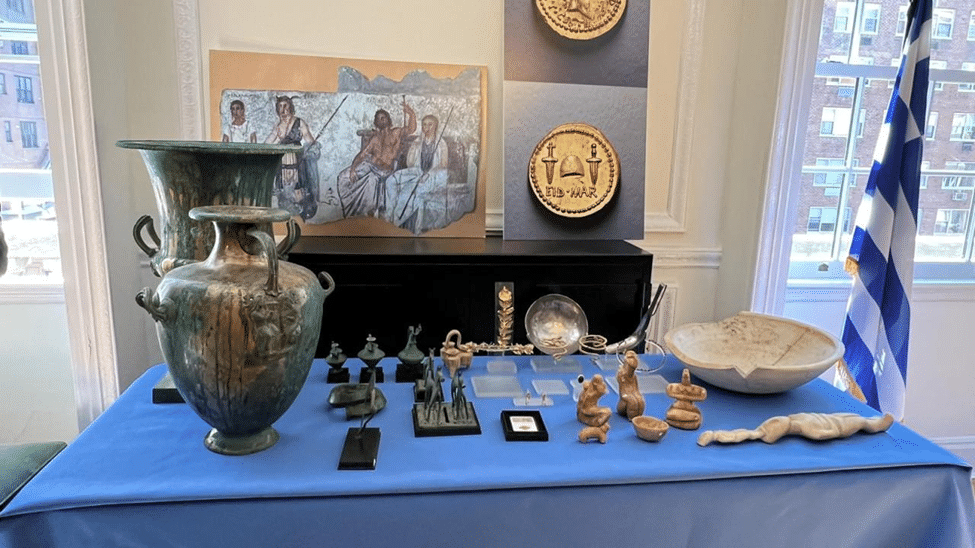
Questions around provenance and restitution remained an important part of the museum conversation this September. Among the developments, the Metropolitan Museum of Art announced plans to return three objects to Greece following research into their histories and ownership. The announcement came alongside other restitution developments involving European and American museums.
These cases reflect a broader shift in how museums approach the histories of objects in their collections. Provenance research is increasingly becoming an essential part of institutional responsibility, with museums examining how works entered their collections and what should happen when new evidence changes our understanding of their ownership histories.
The Metropolitan Museum of Art said its decision followed new information from the Manhattan District Attorney’s Office alongside the museum’s own research. The three objects include a Hellenistic gold and garnet pendant amphora, a Middle Helladic terracotta jug and a Roman marble head. Stories like this show how the history of an artwork does not necessarily end when it enters a museum; sometimes, decades of research can change what institutions understand about an object’s journey.
FNB Art Joburg Brings African Contemporary Art Into Focu
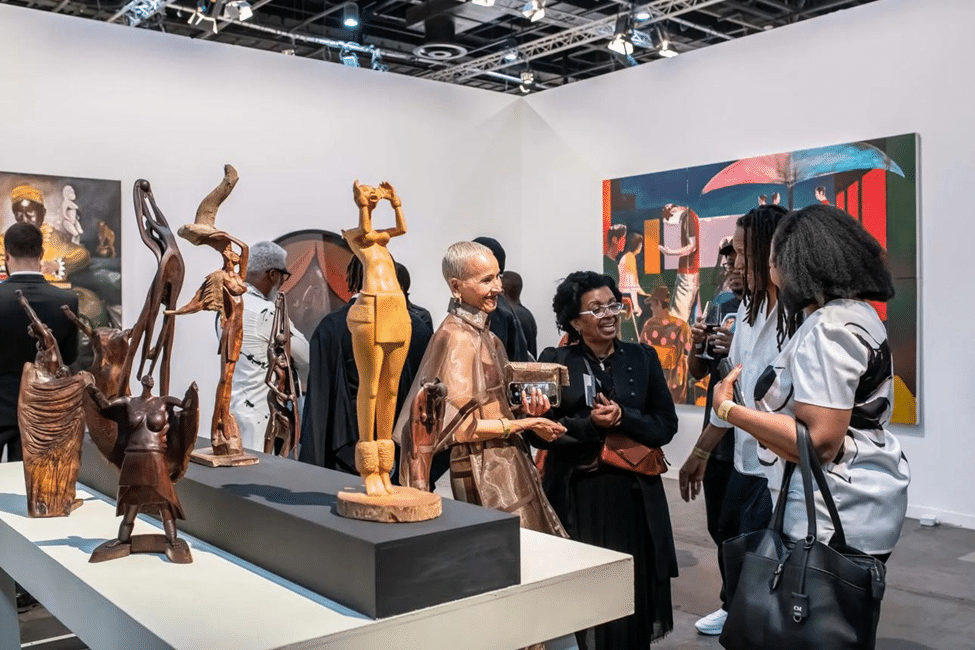
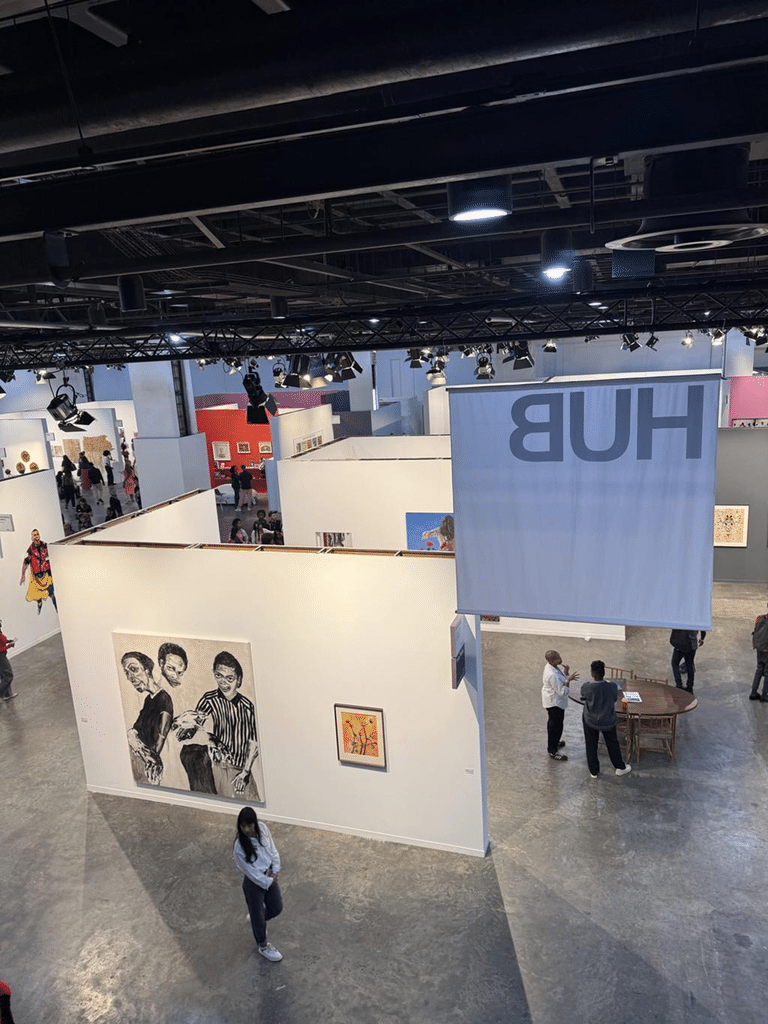
The 19th edition of FNB Art Joburg took place in Johannesburg in September, bringing together galleries and artists from across Africa alongside international participants. The fair’s programme extended beyond gallery presentations to include exhibitions, talks, performances and other projects that reflected the breadth of contemporary artistic practice on the continent.
For the wider international art market, fairs such as Art Joburg provide an opportunity to look beyond the traditional centres of the global art economy. They create space for African galleries and artists to build relationships with collectors and institutions while allowing audiences to encounter practices that may receive less visibility in the major European and American fairs.
Running from September 4 to 6, the fair brought together its commercial gallery programme with a wider schedule of talks, performances and conversations. The FNB Art Joburg programme reflects an art scene that is increasingly difficult to describe through a single narrative. For visitors, that is part of the appeal: the fair becomes a place to encounter different generations, practices and perspectives from across the continent in one setting.
AI Becomes a Museum Question, Not Just an Artist Question
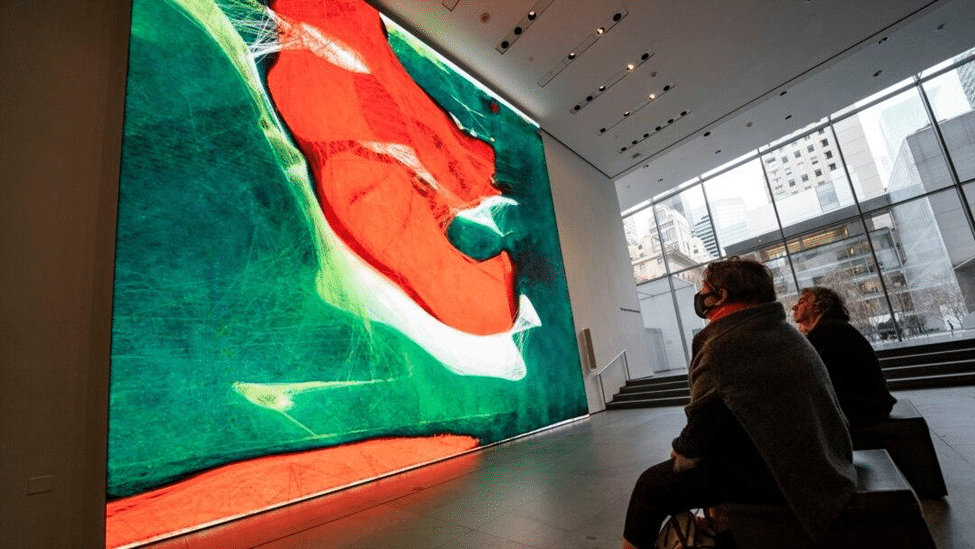
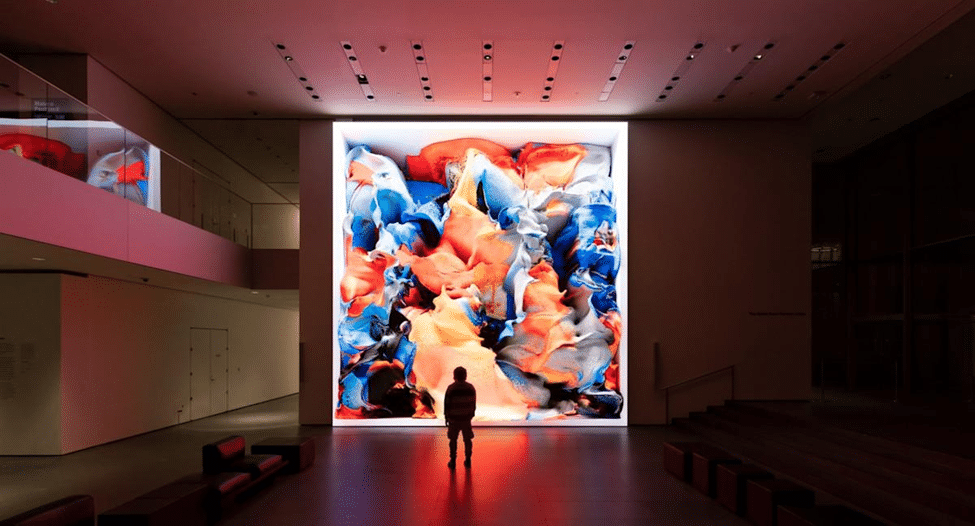
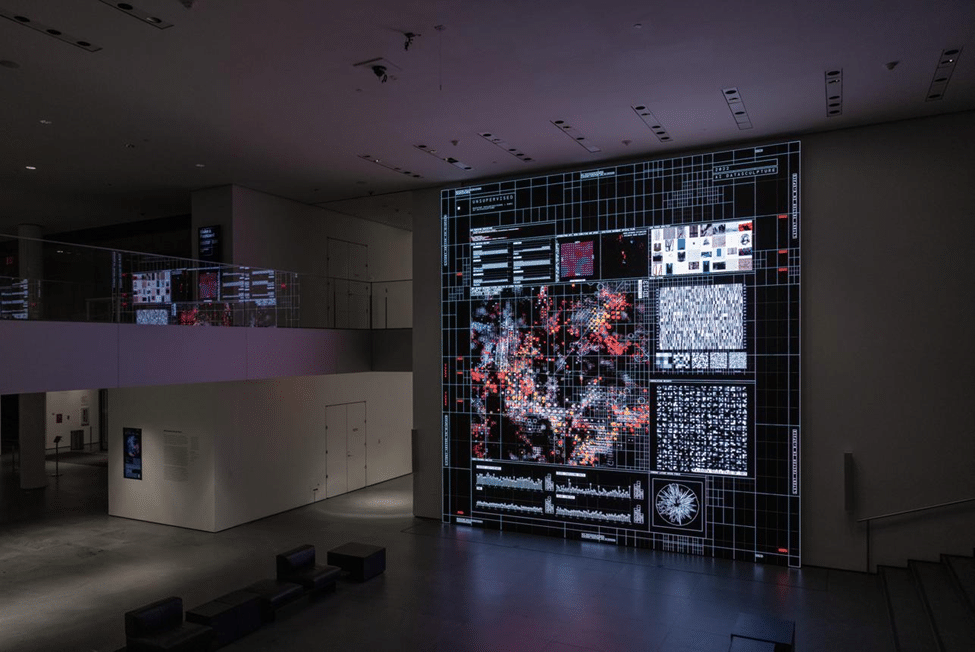
Artificial intelligence continued to move beyond conversations about artists using new technologies and into the day-to-day operations of museums. A report released this month examined potential applications for AI across areas such as visitor services, communications, fundraising and institutional administration, while also considering concerns around copyright, employment, ethics and environmental impact.
For museums, the discussion is becoming less about whether AI is simply a new artistic medium and more about how institutions should use it responsibly. As these technologies become increasingly embedded in cultural organisations, questions around human involvement, transparency and the value of technology will likely become an even larger part of the museum conversation.
The conversation is already moving into practical territory. The Art Newspaper reported on a Remuseum report that identifies five potential areas for AI in museums, from fundraising and communication to visitor services. What is interesting is that the discussion is not simply about replacing people with technology; the report instead looks at whether AI can take on certain tasks while allowing museum workers to spend more time on the human side of their work.
Steven Shearer Wins the 2026 Audain Prize
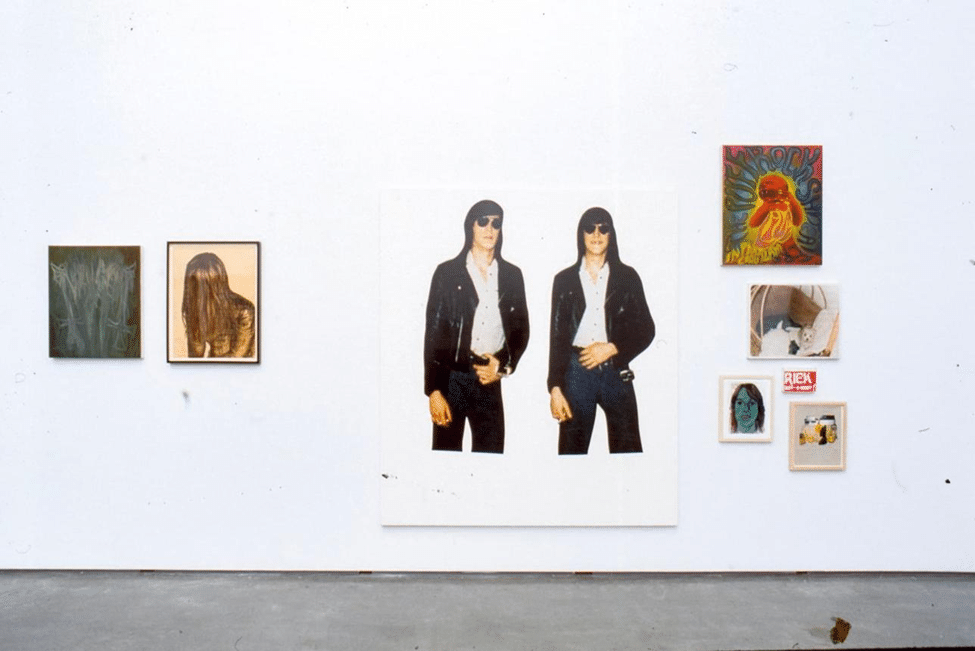
Vancouver-based artist Steven Shearer was named the recipient of the 2026 Audain Prize for Visual Arts in September. The C$100,000 award is one of Canada’s significant visual-arts prizes and recognises Shearer’s contribution to contemporary art through a practice that spans painting, drawing, sculpture, photography, printmaking and collage.
Shearer’s work often brings together references from art history, popular culture and everyday imagery, creating a practice that moves comfortably between different visual languages. His recognition this month adds a Canadian perspective to a September art calendar that has seen artists and institutions across different regions receive renewed international attention.
The award therefore recognises not only an individual body of work but a sustained approach to image-making that has developed over many years. Shearer remains based in Vancouver while maintaining an international exhibition career, with recent and forthcoming exhibitions extending his presence across North America and Europe.
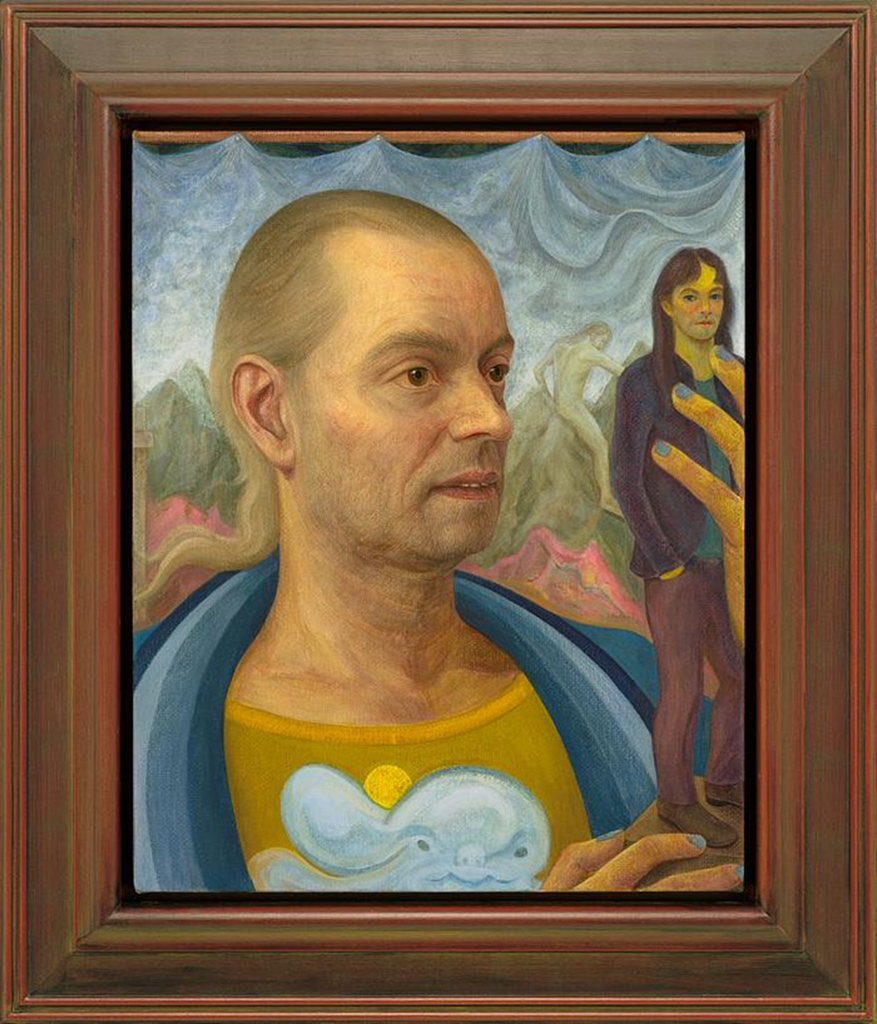
By- Steven Shearer
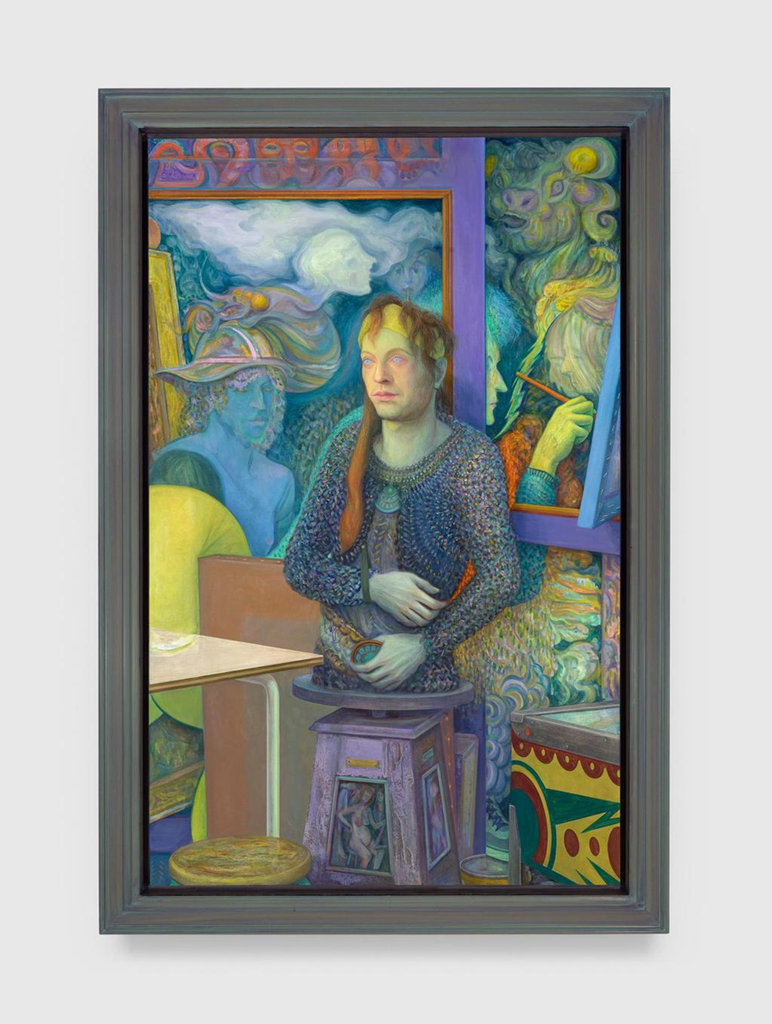
By- Steven Shearer
Beyond the Headlines
September’s stories remind us that the art world is rarely just about what is hanging on a gallery wall. Behind the exhibitions, fairs and museum openings are bigger conversations about who gets represented, how culture is preserved, how museums respond to new technology and how the value of art continues to change.
From Renoir’s stolen paintings and Tschabalala Self’s Lady in Blue to the opening of the Lucas Museum and the changing mood at Seoul’s art fairs, this month has offered plenty of different ways to look at the art world.
At ArtNativ, we will keep bringing those conversations together, alongside the artists, artworks and discoveries you can find through the ArtNativ Marketplace.
Keep following the ArtNativ blog for more art-world stories, artist features, cultural conversations and new discoveries.