
October has brought a fresh set of stories from across the art world, from major international fairs and headline-making auction results to exhibitions that invite audiences to look more closely at identity, history and representation.
This month, London has once again become a meeting point for galleries, collectors and institutions, while African art and photography continue to occupy important spaces in global conversations. Beyond the sales and exhibitions, there are also questions about the realities of the gallery business and what happens when artists are forced to find new ways forward.
Here are some of the stories shaping the art world this October.
Frieze London and Frieze Masters Bring Collectors to London
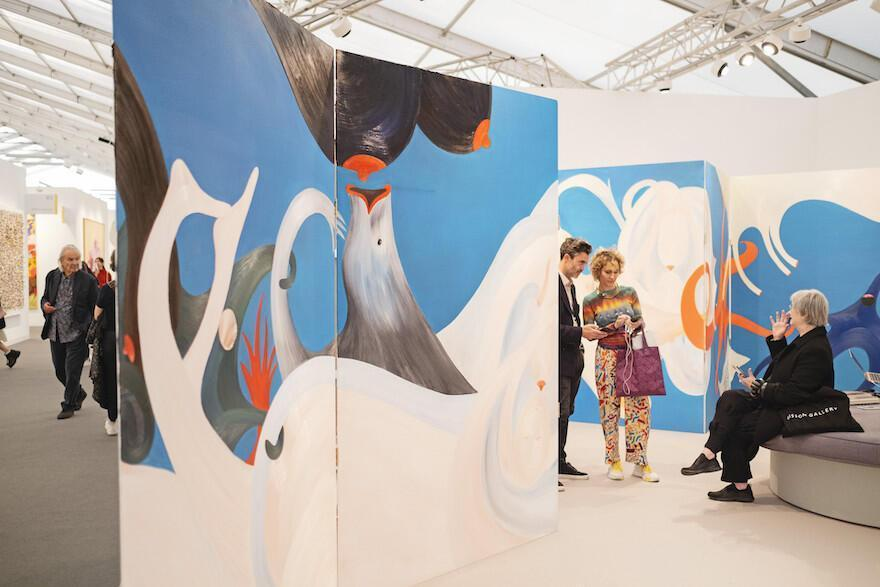
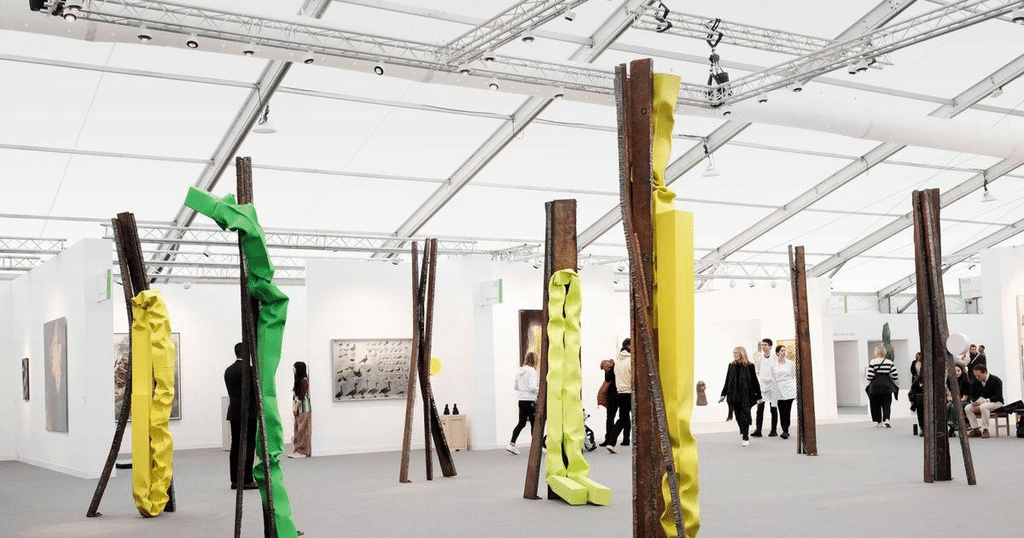
London’s art calendar reached one of its busiest moments this October as Frieze London and Frieze Masters returned to Regent’s Park, bringing together galleries, collectors, museums and art enthusiasts from around the world. The two fairs offered different but complementary perspectives, with Frieze London focused on contemporary practice and Frieze Masters presenting works spanning historical periods.
According to Frieze’s official fair report, the fairs welcomed 95,000 visitors from 108 countries and regions. Galleries reported sales across a wide range of price points, while museums and foundations also acquired works. Highlights included a Jan Brueghel the Elder still life sold for approximately £5 million at Frieze Masters and major contemporary works placed with private collectors.
The figures tell only part of the story. International fairs are also places where galleries introduce artists to new audiences, institutions discover works for their collections and collectors encounter practices they might not otherwise see. This year’s editions offered another reminder that the art market is shaped not only by headline prices, but also by the relationships and discoveries that develop around them.
1-54 London Puts African Art in Focus
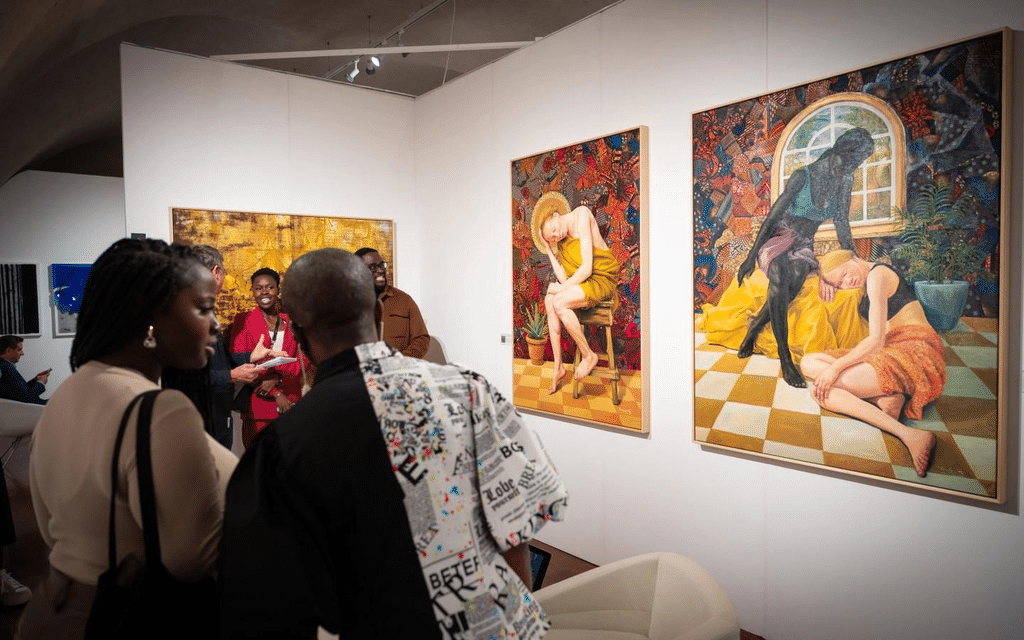
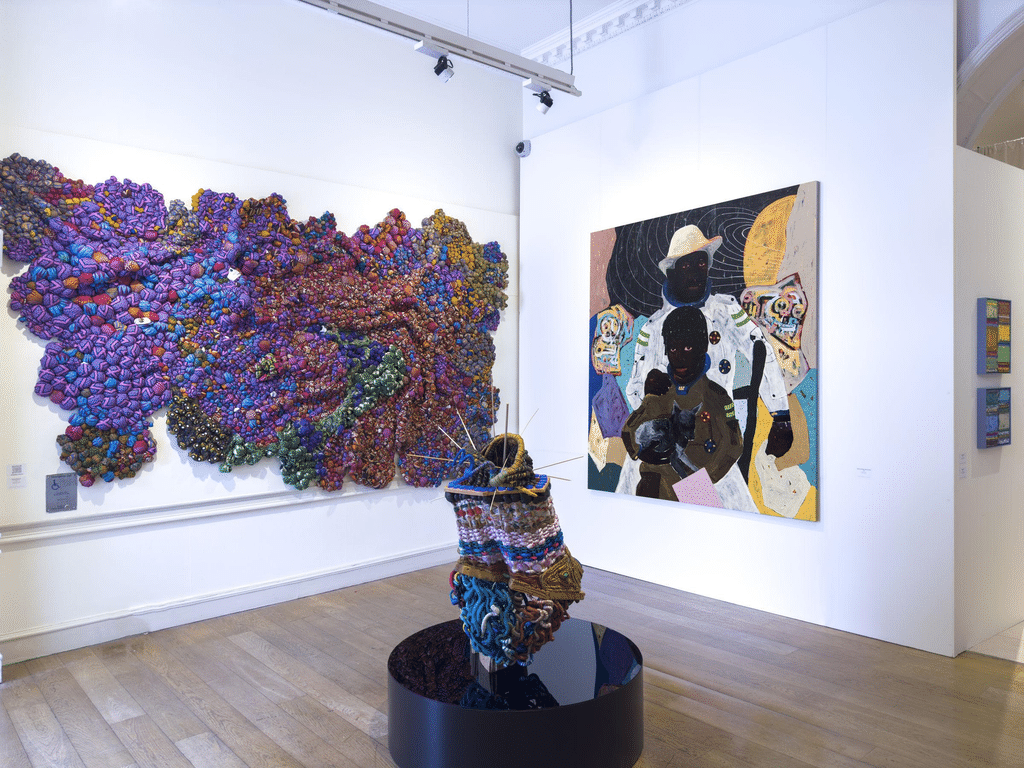
The 14th London edition of 1-54 Contemporary African Art Fair returned to Somerset House from October 15 to 18, bringing together 40 galleries presenting modern and contemporary art from Africa and its diaspora. The fair continues to provide an international platform for artists whose practices reflect the breadth of artistic experiences across the continent and its global communities.
One of this year’s notable presentations was West Wind, a special project curated by Nancy Dantas that highlighted pioneering modern African artists, including Ibrahim El-Salahi, Gerard Sekoto, Uzo Egonu and Bertina Lopes. The programme also included conversations on African modernism, collecting and the institutions shaping the future of the continent’s art scenes. Wallpaper’s preview of the fair explored several of these presentations and the artists involved.
The importance of a fair like 1-54 extends beyond the works exhibited or sold. It creates opportunities for artists, galleries, collectors and institutions to engage with a wider range of African art histories and contemporary practices. As these conversations develop, the question is not simply how African art gains international visibility, but how that visibility translates into lasting support, meaningful representation and sustained collecting.
Christie’s London Sales Reach £219 Million
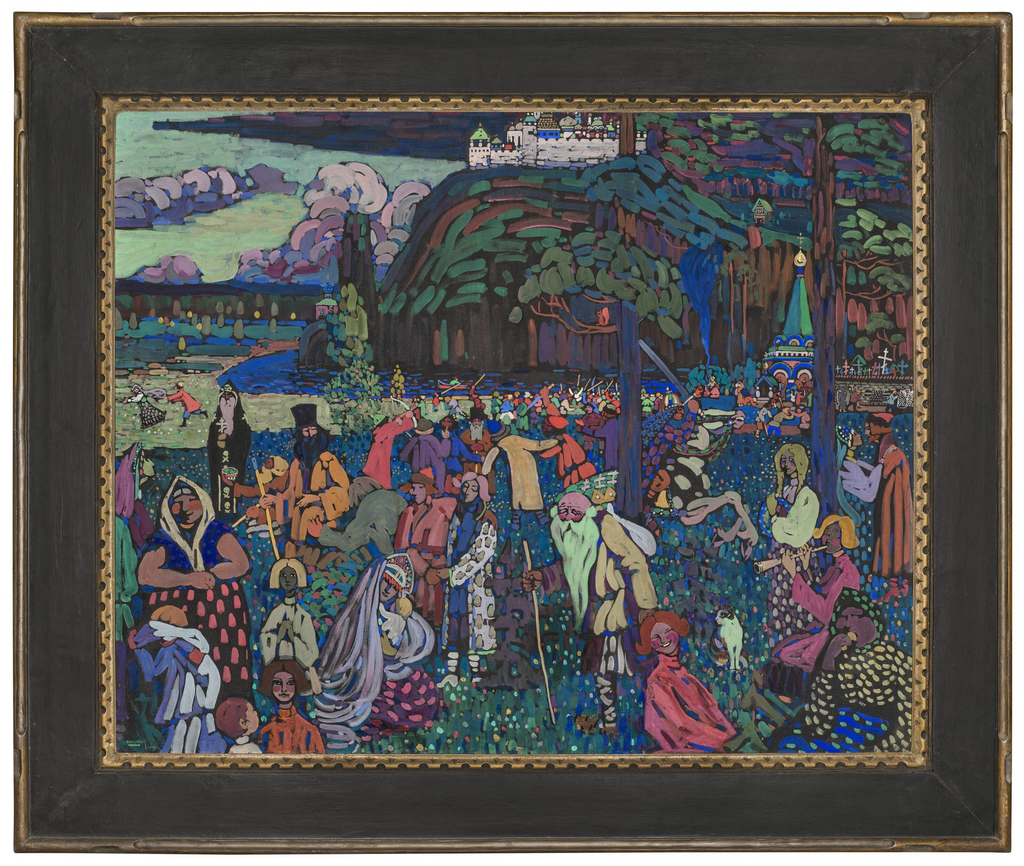
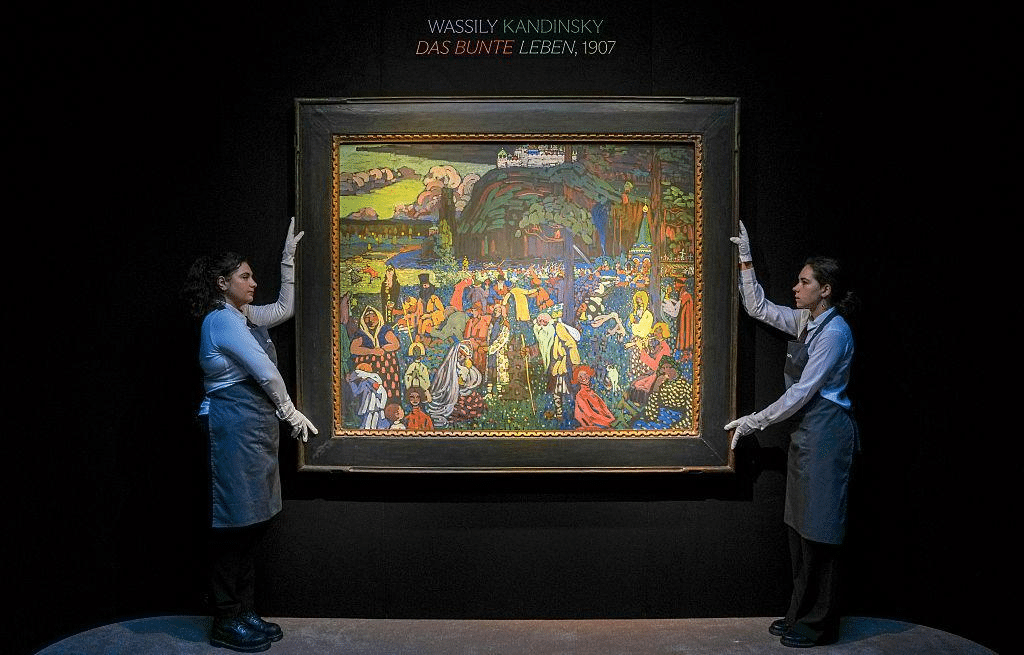
The London auction market delivered a significant result during Frieze week, as Christie’s combined 20th- and 21st-century evening sales generated £218.6 million on October 14. The result represented a 103 per cent increase on the equivalent sales total from the previous year, according to Christie’s official announcement.
Wassily Kandinsky’s Das bunte Leben (1907) led the evening, selling for £31.56 million, while Piet Mondrian’s Composition III (1920) also achieved more than £25 million. The sales included the Peter Simon Collection, which realised approximately £107.5 million and became the highest-value single-owner collection ever sold at Christie’s London.
Results of this scale tend to attract attention because they offer a visible measure of confidence at the top end of the market. However, record totals do not necessarily tell the whole story of the art economy. The works available, the quality of individual collections and the willingness of buyers to compete for exceptional pieces all influence the outcome. These auctions offered a snapshot of strong demand for important works, even as the wider market continues to evolve.
Zanele Muholi’s Hasselblad Award Exhibition Opens in Sweden
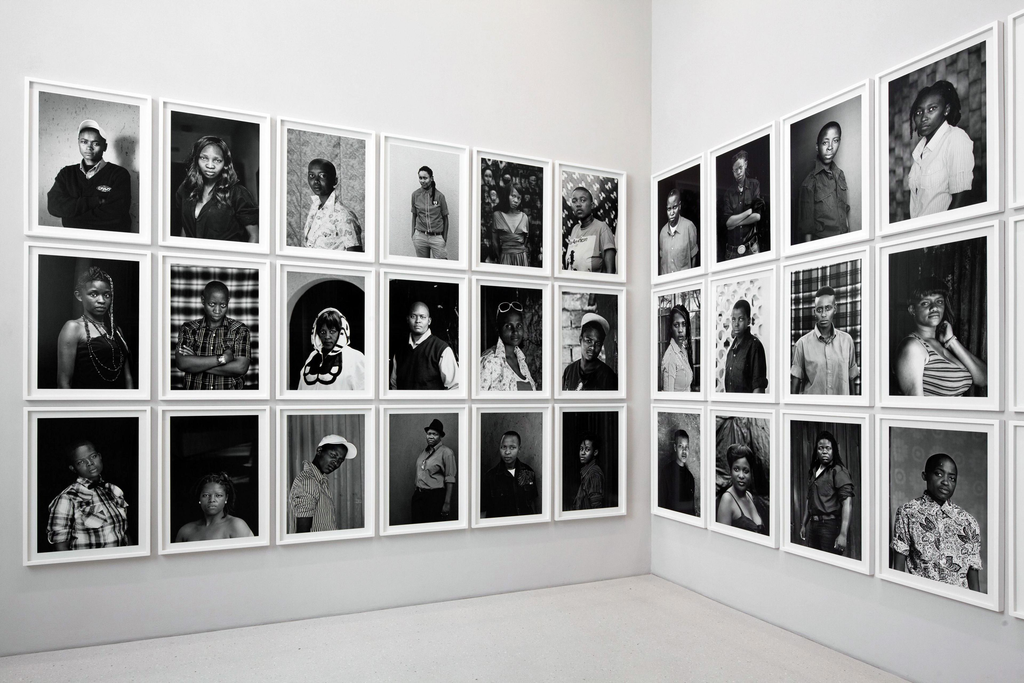
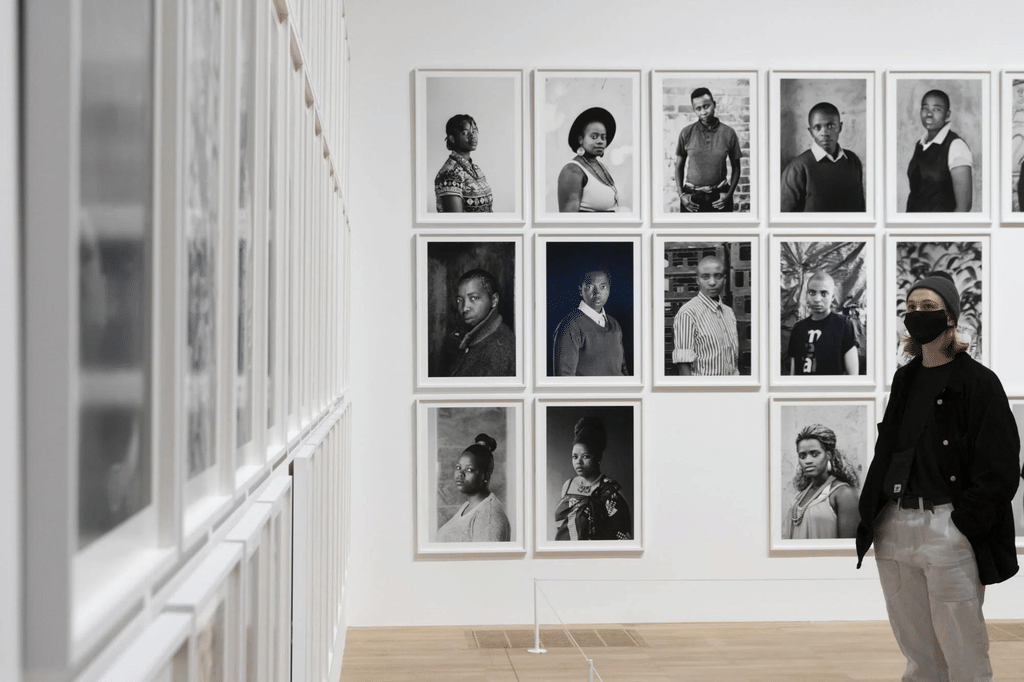
South African photographer and visual activist Zanele Muholi is the focus of a major exhibition at the Hasselblad Center in Gothenburg, Sweden, running from October 10, 2026, to April 4, 2027. The exhibition accompanies Muholi’s recognition as the 2026 Hasselblad Award laureate, one of photography’s most significant international honours.
The Hasselblad Foundation describes Muholi’s practice as a sustained commitment to visibility, dignity and respect for Black queer people. The exhibition brings together photographs from six series, including Only Half the Picture, which documents lesbians who have survived hate crimes, and Faces and Phases, an ongoing photographic archive that began in 2006.
Muholi’s work demonstrates how photography can operate as more than a record of people and places. Through portraiture, the artist builds an archive that challenges exclusion and creates space for individuals and communities to represent themselves. The exhibition is an opportunity for audiences to engage with that work in depth, while considering the role photography can play in conversations about identity, memory and human rights.
Artists Find New Paths After Stephen Friedman Gallery’s Closure
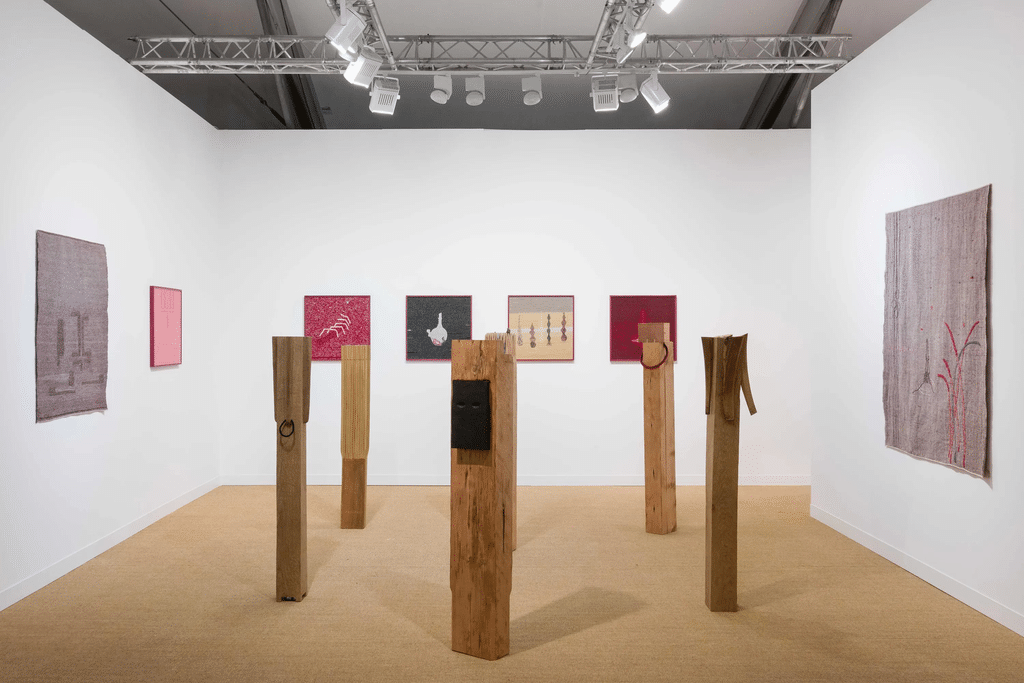
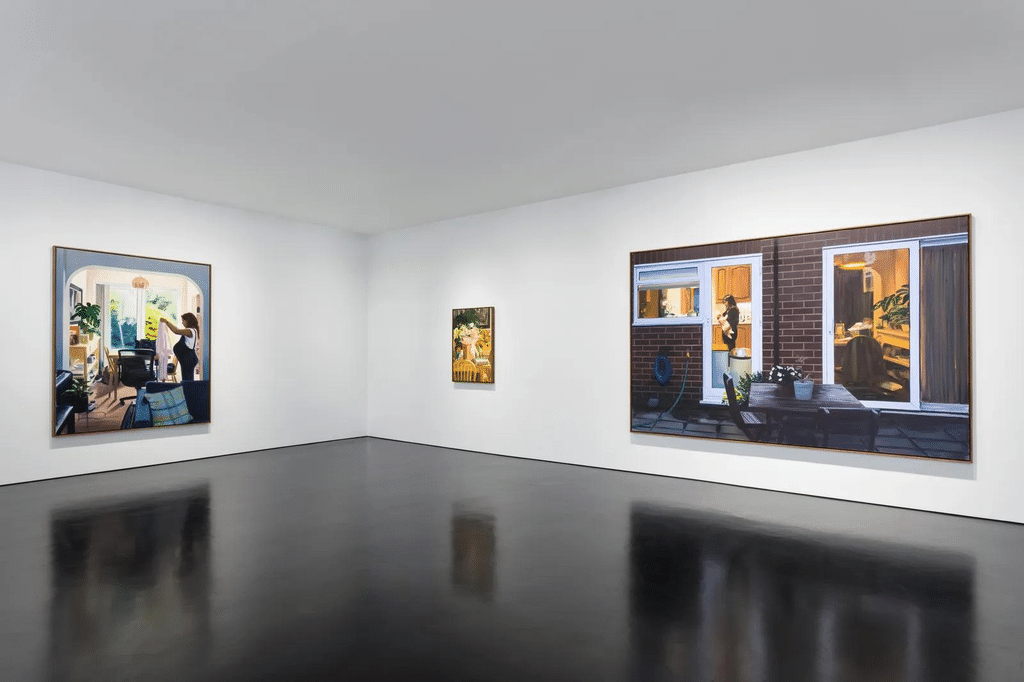
The closure of Stephen Friedman Gallery earlier this year continues to have consequences for artists and the wider gallery community. During Frieze London, several artists previously represented by the gallery appeared with new dealers, offering a glimpse of how they are rebuilding professional relationships after an unexpected disruption.
Reporting from The Art Newspaper highlighted artists including Denzil Forrester and Clare Woods, whose works featured at the stands of their new representatives. Several paintings sold early in the fair, while other artists presented work through new gallery relationships and exhibition spaces.
Behind these changes is a less visible side of the art market. Galleries often play an important role in supporting artists’ careers, organising exhibitions, introducing their work to collectors and helping them navigate the commercial side of their practice. When a gallery closes, those relationships can be disrupted, sometimes leaving artists to rebuild their networks under difficult circumstances. The activity at Frieze offered a reminder that, even in an unpredictable market, artists continue to find new ways to present their work and connect with audiences.
Claude Monet’s Iris sets a French auction record


Claude Monet’s Iris, which sold at auction in France in October 2026.
A major auction result became one of the latest international art-market headlines this week. Monet’s Iris sold for €50 million at Sotheby’s in France on October 22, according to Reuters, setting a new record for the most expensive artwork sold at auction in the country. The painting had been estimated at €22 million to €30 million, making its final price notably higher than expected.
The sale demonstrates the continued strength of demand for exceptional works by major historical artists. It also shows how a single auction can become a marker for a national market, even while conditions differ across price levels and categories. For collectors and institutions, provenance, rarity and the story behind a work remain central to its appeal.
Art Basel Paris brings the international art world together


Gallery presentations at Art Basel Paris 2026 at the Grand Palais.
Art Basel Paris has brought international galleries and collectors to the Grand Palais for another major moment in the autumn art calendar. This year’s fair has taken place against a backdrop of social and political tensions, yet international attendance and early sales have remained strong, according to reporting from Le Monde.
The fair also highlights how art can respond to the world beyond the gallery. Political resistance, social change and questions of public life appear in works across the programme, showing that the market and the ideas carried by art often occupy the same space. The event continues through October 25.
Beyond the Headlines

October’s stories show how many different forces shape the art world. International fairs bring galleries and collectors together, auctions reveal where demand is strongest, and exhibitions create space for artists to challenge familiar narratives. At the same time, the experiences of artists navigating gallery closures remind us that the art market is built on people and relationships, not simply transactions.
From the international reach of Frieze and 1-54 to Zanele Muholi’s powerful photographic practice, this month has offered plenty to consider about how art is presented, valued and experienced around the world.
At ArtNativ, we continue to follow these developments alongside the artists, artworks and discoveries shaping contemporary art. Explore the ArtNativ Marketplace to discover artists and original works, and return to the ArtNativ Blog for more art-world news, artist features and cultural conversations.