
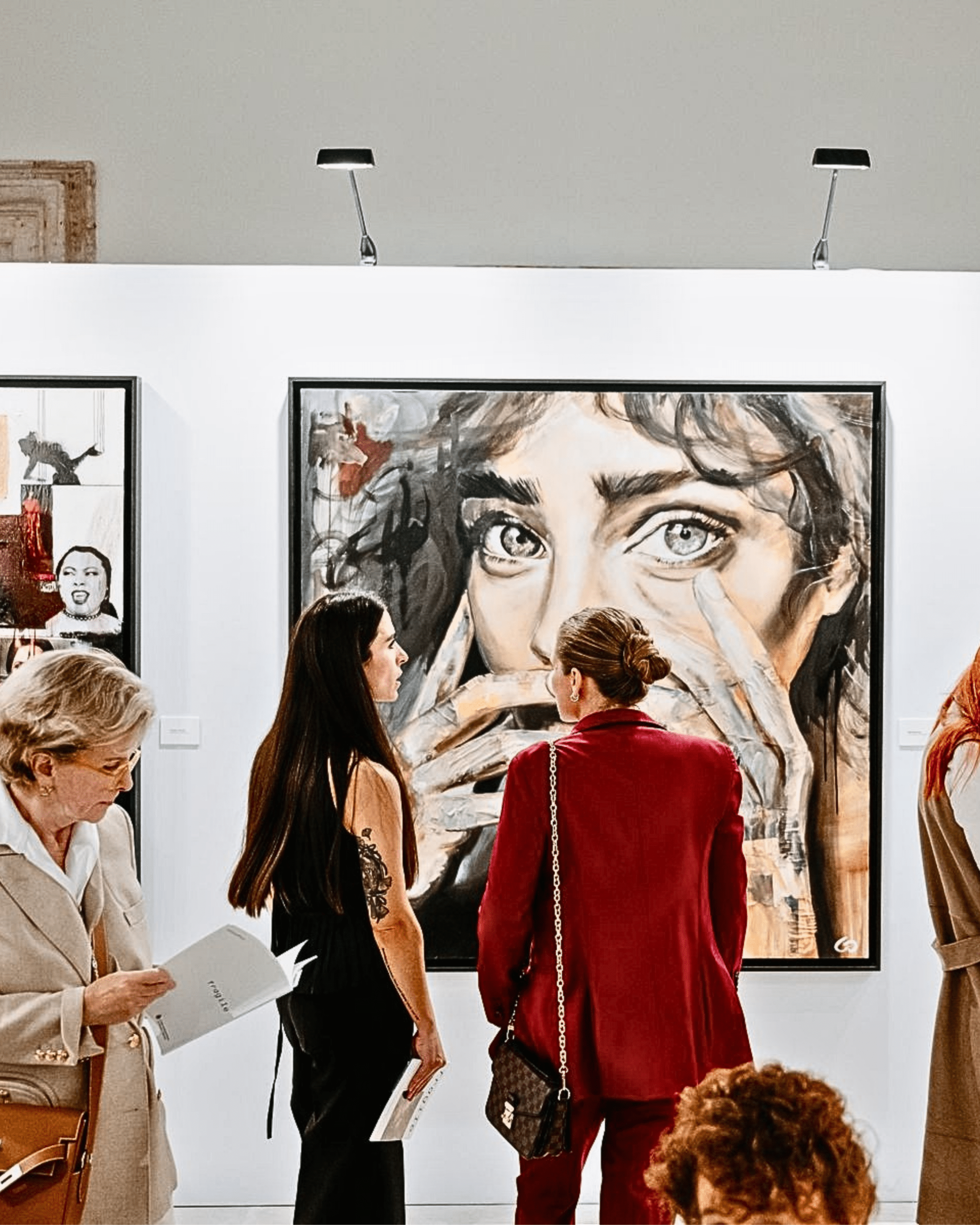
You don’t need a penthouse or a six-figure income to call yourself an art collector. Neither do you need to learn the difference between Impressionism and Expressionism. You don’t even need to have been inside a gallery before.
If you’ve ever looked at a painting, a photograph, a sculpture and felt something that made you want to buy it or keep it, you already understand what collecting is about.
Who Is A Collector?
A collector is someone who chooses art, whether for aesthetics, investment, memories, personal expression or for status.
What makes a collector is intention. First you need to pay attention to what interest you. The patterns in your own taste. Maybe you keep coming back to the same colours, the same designs, the same feeling. That’s your collection style.
And here’s the thing most people don’t realise: you also become a custodian. When you buy an original artwork, you’re keeping a part of someone, their interest, their time, their story.
Key Roles Of An Art Collector.
Collectors play several roles. As cultural stewards, they protect artistic legacy by preserving, storing, and insuring the work they acquire also acting as curators of their own personal or public collections. Without them, countless works would simply disappear.
They’re also patrons in the truest sense. When you buy a piece, especially from an emerging or contemporary artist, you’re providing the financial support and validation that allows an artist to keep creating and that matters more than most people think.
Beyond that, collectors shape the art market itself. Every purchase creates demand, sets trends, and sends a signal about whose work deserves attention. Many art collector even go further displaying art in public spaces, lending to exhibitions, and donating collections, making art accessible to audiences who might never set foot in a gallery.
Types of Art You Can Collect
One of the biggest misconceptions about art collecting is that it’s all oil paintings in gold frames. The range of what you can collect is very diverse.
Paintings
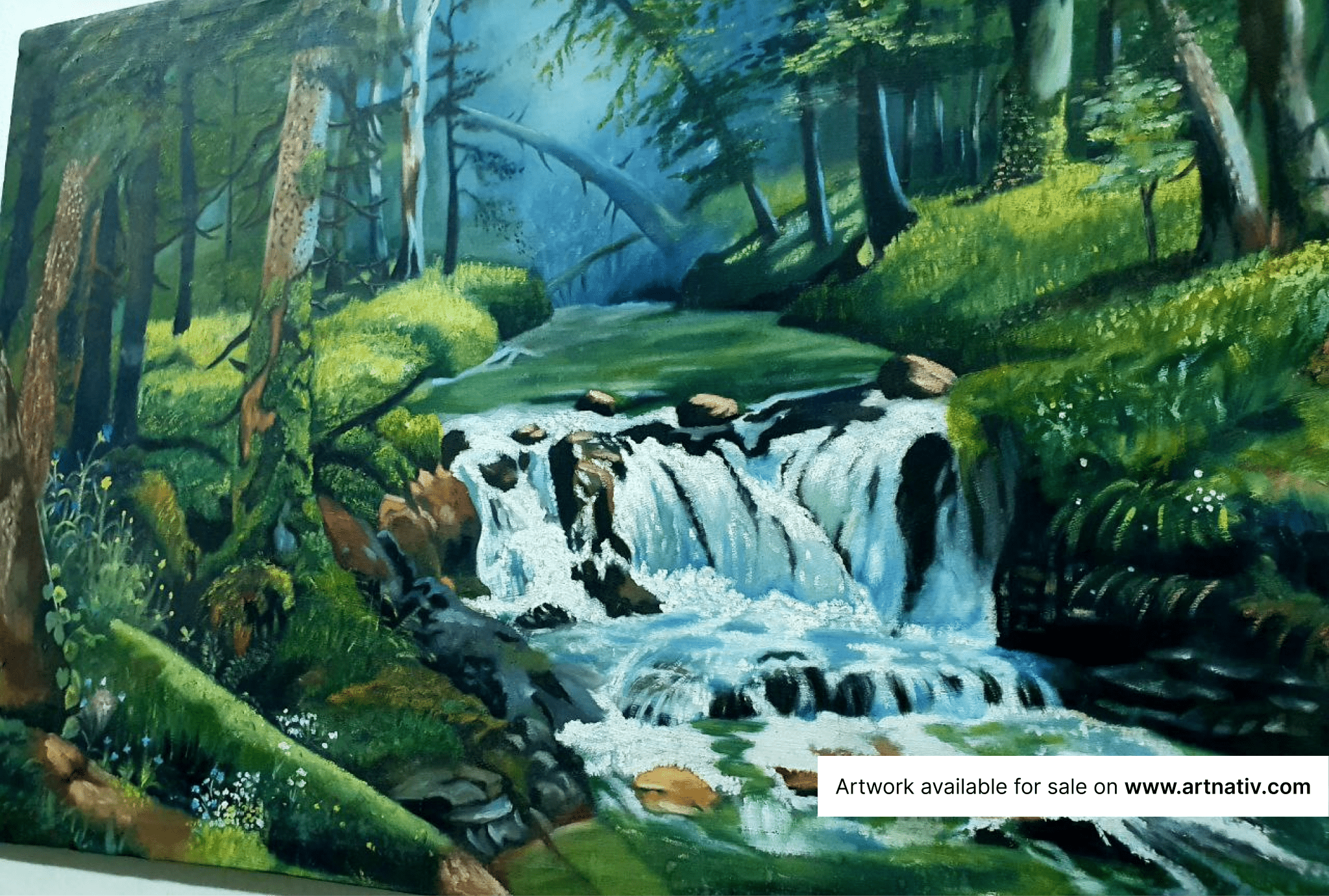
Which includes; oil, acrylic, watercolour, gouache, mixed media. This is what most people picture when they think of art collecting, and it’s still the most popular category. Paintings range from affordable works by emerging artists to blue-chip pieces that sell at major auction houses.
Drawings and sketches
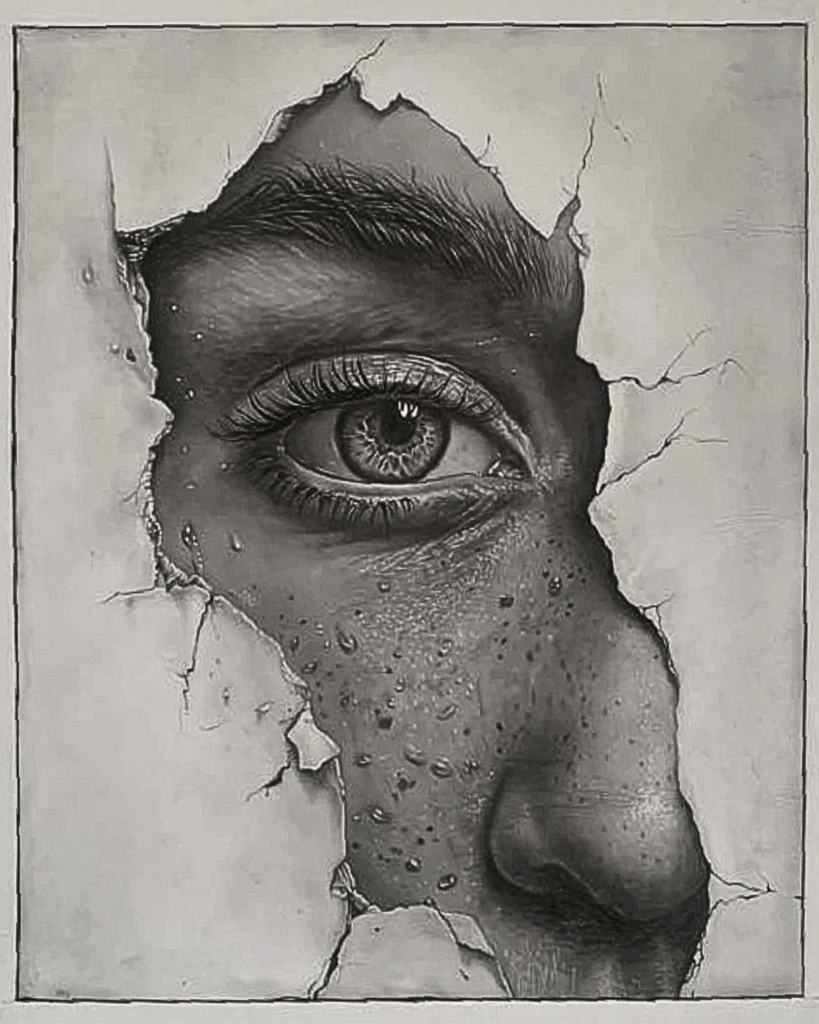
Includes pencil, charcoal, ink, pastel. Often more affordable than paintings, drawings can be incredibly expressive and are a great entry point for new collectors. Many established artists have a strong body of work on paper.
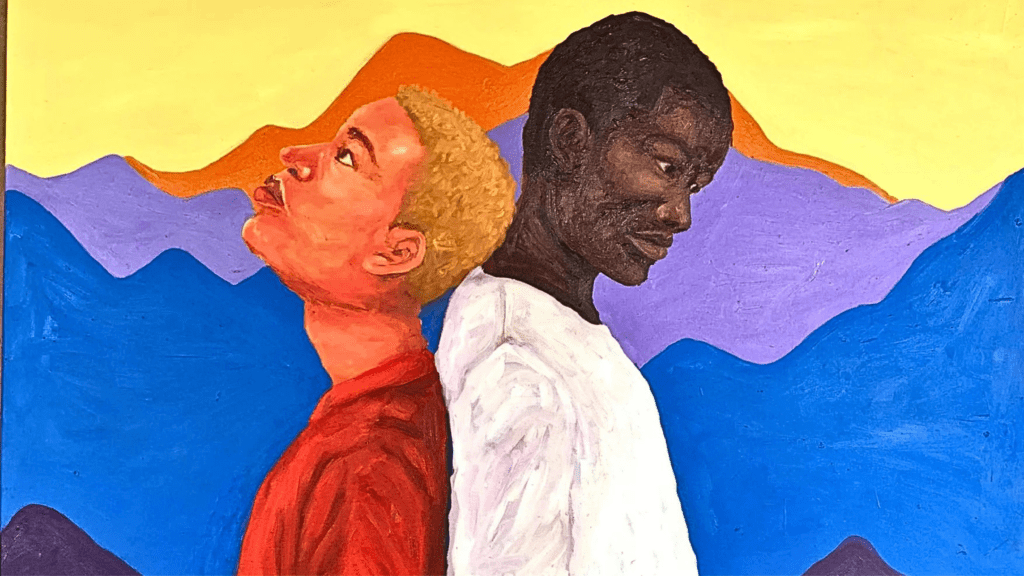
Prints and limited editions
These are lithographs, screen prints, etchings, giclée prints. Limited edition prints are produced in numbered runs, which means each one has a known rarity. They’re one of the most accessible ways to own work by well-known artists.
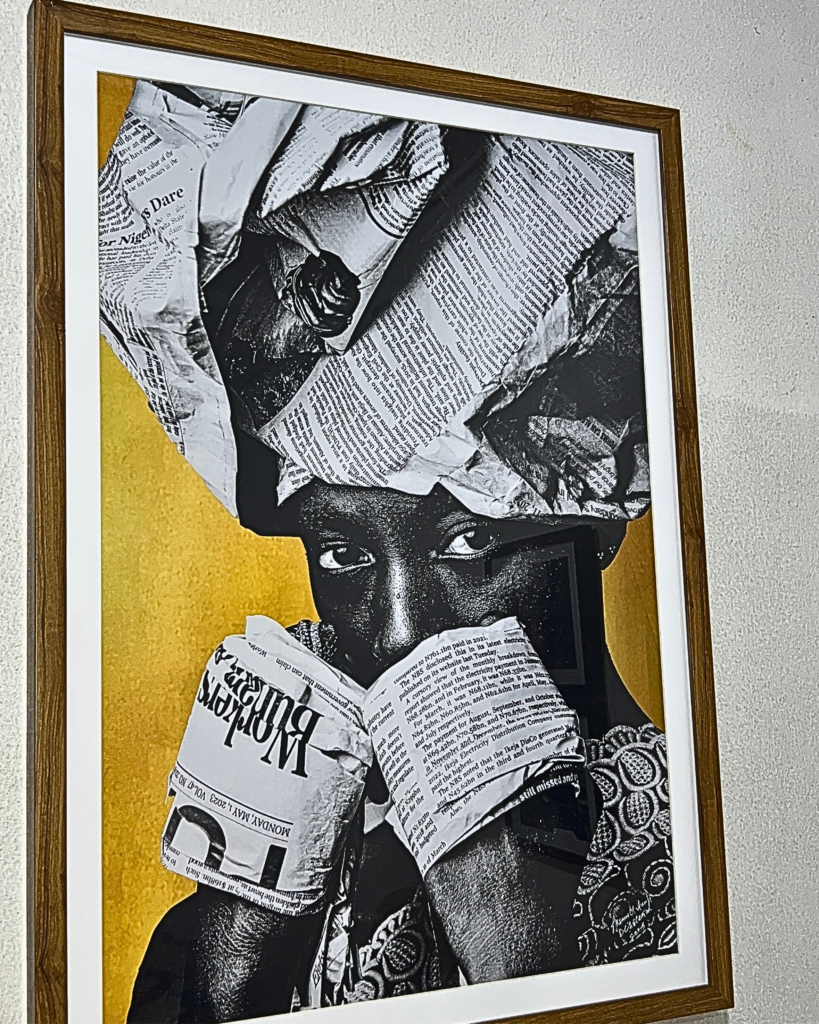
Photography
Fine art photography, documentary photography, editorial prints. Photography collecting has grown massively. Editions are usually signed and numbered, and prices range from very affordable to museum-level.
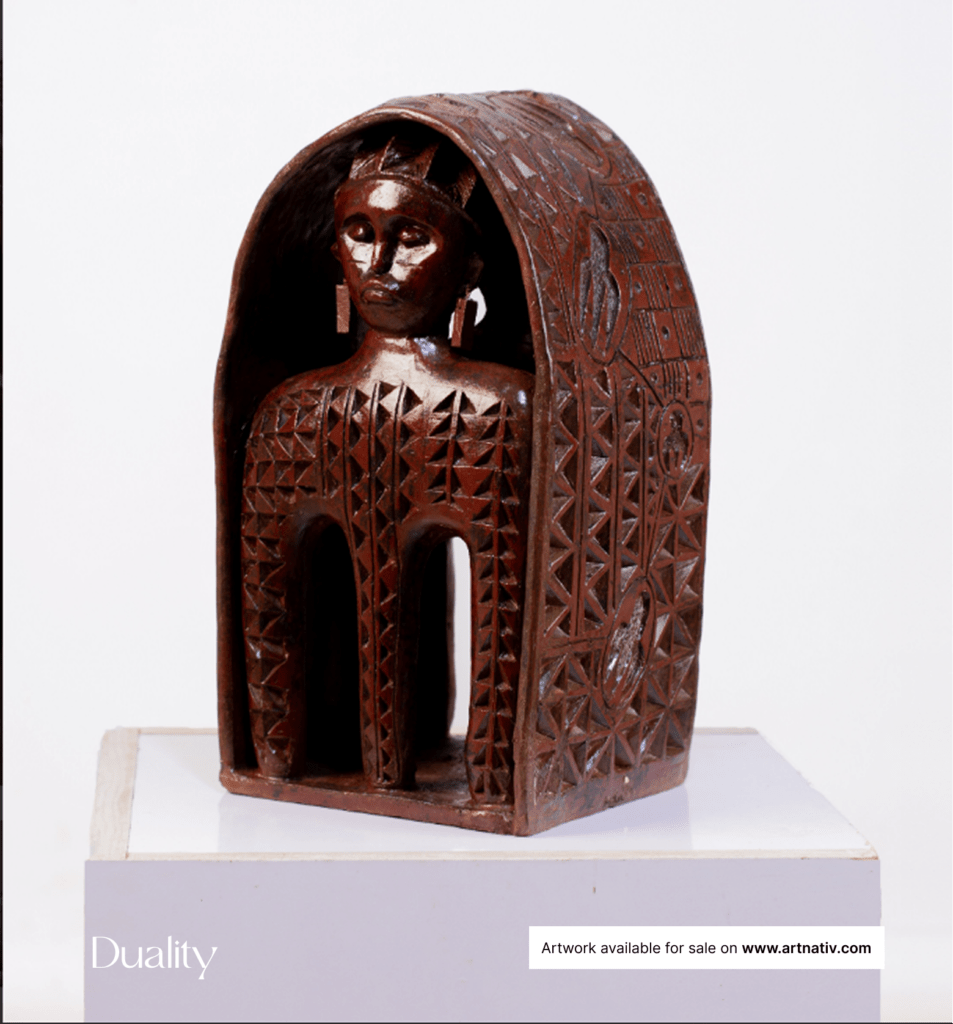
Sculpture
Bronze, wood, stone, ceramic, metal, resin. Three-dimensional work adds a completely different dimension to a collection. Smaller sculptures and tabletop pieces are more accessible than most people assume.
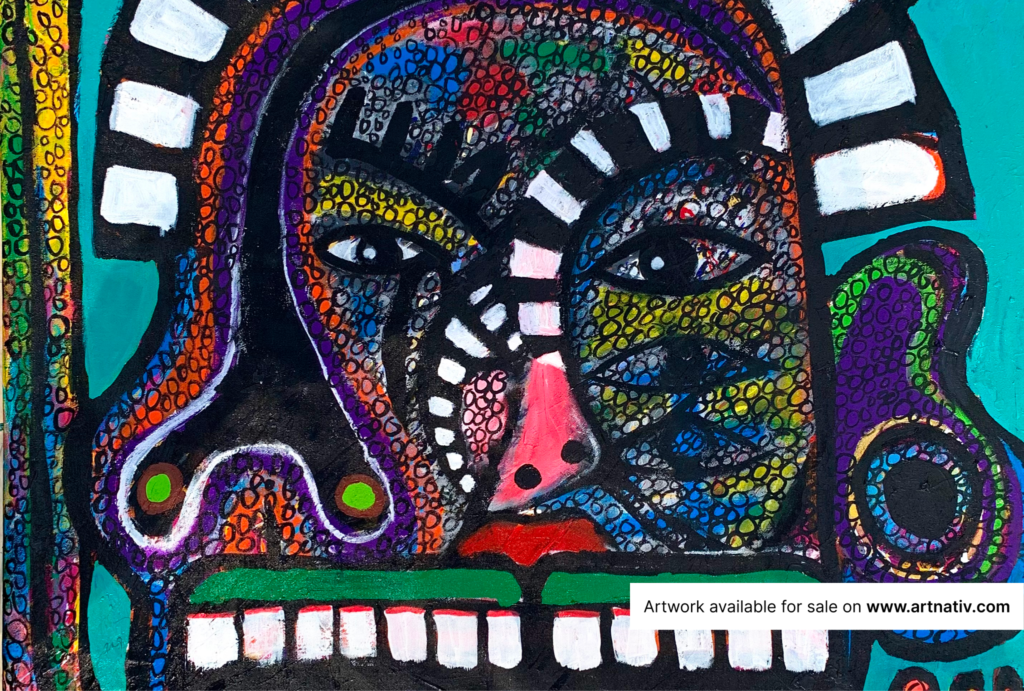
Mixed media and collage
Works that combine multiple materials, textures, or techniques. This category keeps expanding as artists push the boundaries of what a single piece can include.
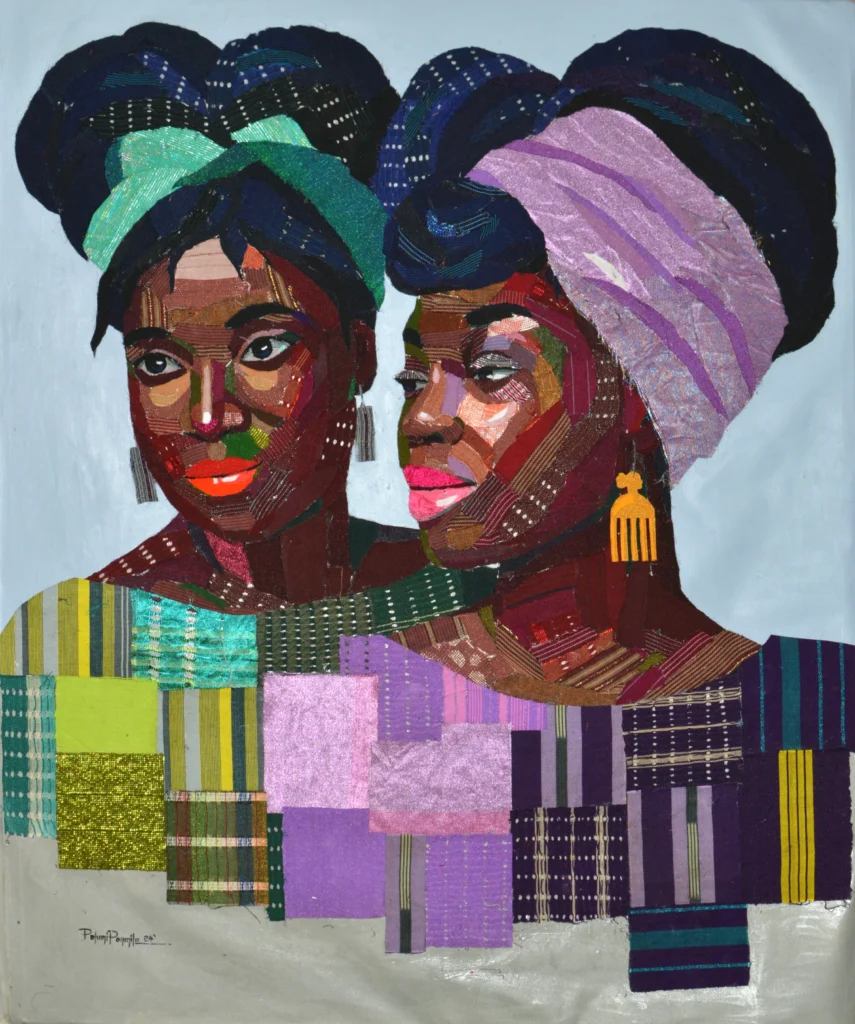
Textile and fibre art
These are woven work, tapestries, embroidered pieces, fabric-based art. This is one of the fastest-growing areas of contemporary collecting, especially work rooted in African, Indigenous, and diaspora traditions.

Digital art
Art created or distributed digitally, including video work, generative art, and NFT-based pieces. Still a newer space, but one that’s attracting serious attention from collectors who want to be early.
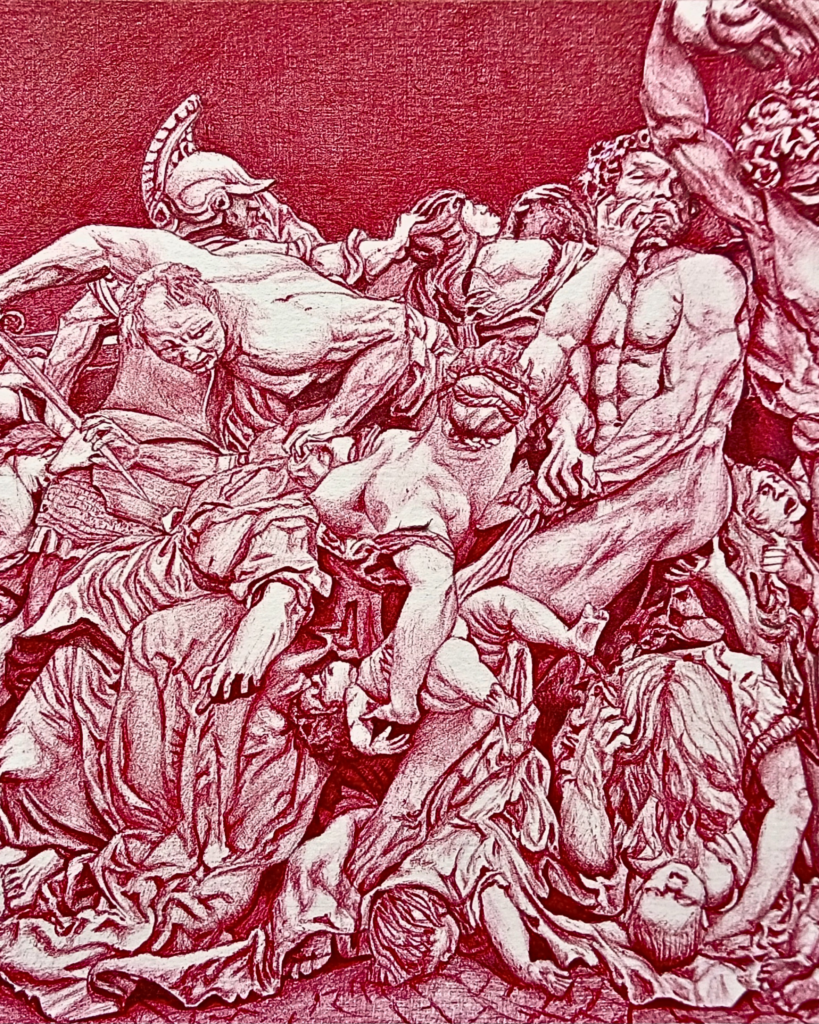
Works on paper
This is a broad category that includes watercolours, monoprints, hand-pulled prints, and other works made on or with paper.
You don’t have to pick one category. Many collectors mix mediums freely. What matters isn’t the materia, it’s whether the work resonates with you and fits the direction your collection is growing.
How to Start Your Collection
Train your eye: this is the single most useful thing you can do. Before you start buying, explore to see what interests you. Visit galleries in your city. Walk through museums. Scroll through ArtNativ’s page online. Go to art fairs if there’s one near you. Attend open studio events. You’re not buying yet, you’re training your eye. The more art you see, the clearer your taste becomes. You’ll start to notice what pulls you in, certain colours, certain designs, certain styles, certain feelings. That’s your instinct forming, and it’ll be your best guide when it’s time to buy.
Social media makes this even easier: Instagram, in particular, has become one of the most important platforms for discovering art. Follow galleries, curators, and art publications whose work catches your eye. Over time, your feed becomes a living mood board of what you’re drawn to.
Here’s a simple exercise worth trying: save or screenshot ten pieces of art that genuinely speak to you, from anywhere, any medium, any price. Lay them out and look for a common pattern. Is it colour? Design? Emotion? Style? That pattern is the beginning of your collecting identit
Don’t underestimate the value of conversation: Walk into a gallery and ask questions. Most gallerists are happy to talk to someone who’s genuinely curious. Ask about the artist, the work, the pricing. You don’t have to buy anything. But these conversations teach you things you can’t learn from reading alone.
That said, books, blogs, articles, and podcasts about art are all valuable too. They give you context, vocabulary, and a sense of the wider art world. But nothing replaces standing in front of a piece and deciding for yourself how it makes you feel. The knowledge matters. The experience matters more.
Where to Find Art
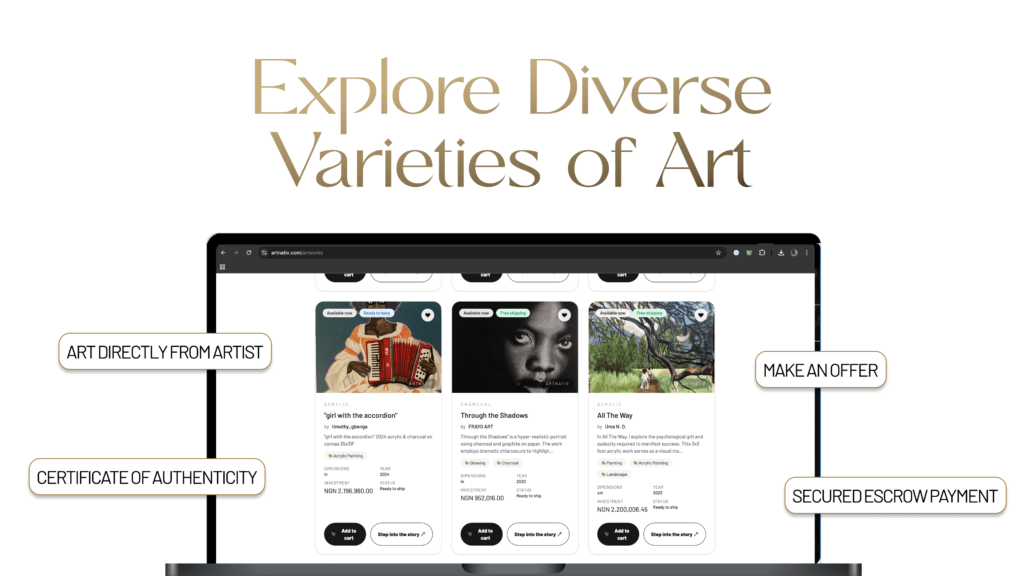
This is where things have changed the most. Online art platforms like ArtNativ now give you access to artists and artworks from across the world, works you’d never encounter through your locality alone. You can browse by style, medium, price range, and region. For anyone interested in collecting art from underrepresented communities or specific cultural traditions, online platforms make that access possible in a way it never was before.
Most cities and many smaller towns have galleries showing work by local and regional artists. Walk in, look around, and get on their mailing list. Attend openings, they’re free and they’re one of the easiest ways to start meeting people in the art community.
If you want to see a lot of work in a short time, art fairs are hard to beat. Major fairs showcase high-level work, but there are also smaller, more affordable fairs designed specifically for newer collectors. They’re excellent for comparing what’s out there and getting a feel for the range of styles and price points available.
Then there are auction houses. Names like Christie’s, Sotheby’s, and Bonhams handle high-value sales, but many also run online-only auctions and smaller sales with more accessible entry points. Even if you’re not ready to bid, auctions are worth watching, they teach you a lot about how the market values different kinds of work.
What to Look for When Buying Art
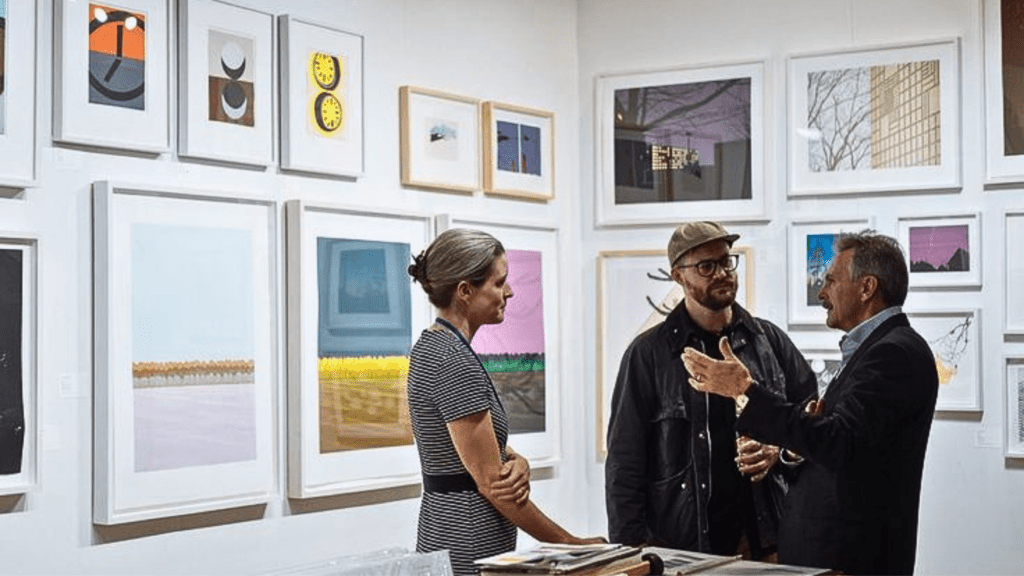
You don’t need to be an expert to make a good purchase. But knowing what to pay attention to helps you buy with confidence and avoid common traps.
Start with documentation. A Certificate of Authenticity is a document from the artist or gallery confirming the work is genuine. For original works, limited editions, prints, and commissions, a COA is comes with every purchase, if someone’s selling art without one, ask why. Also pay attention to provenance, which is the ownership history of a piece, who made it, when, where it’s been shown or sold before. For newer work by emerging artists, provenance might just be an invoice and a COA, and that’s perfectly fine. What matters is that there’s a paper trail from the start. The more documentation a piece has, the stronger its value and credibility over time.
Then look at the work itself. Check the physical condition carefully. Are there scratches, tears, cracks, fading, or discolouration? For paintings, check the surface and the stretcher bars. For works on paper, look for foxing or water damage. For sculpture, check joints and surface wear. If you’re buying online, ask for detailed photos and a condition report.
It’s also worth looking at the artist behind the work. Is this someone with a consistent body of work? Have they exhibited? Are they represented by a gallery? Do they have a clear artistic direction? You don’t need the artist to be famous, but you want to know they’re serious about their craft. An artist who is actively showing, growing, and building a career is a stronger bet than someone with no track record.
And finally, ask how the price was set. Is it based on the artist’s career stage, the size of the work, the medium, comparable sales? Galleries and platforms with transparent pricing make this easier. If a price feels off, too high for an unknown artist, too low for something that seems significant trust your instinct and ask questions.
How To Manage And Care For Your Art
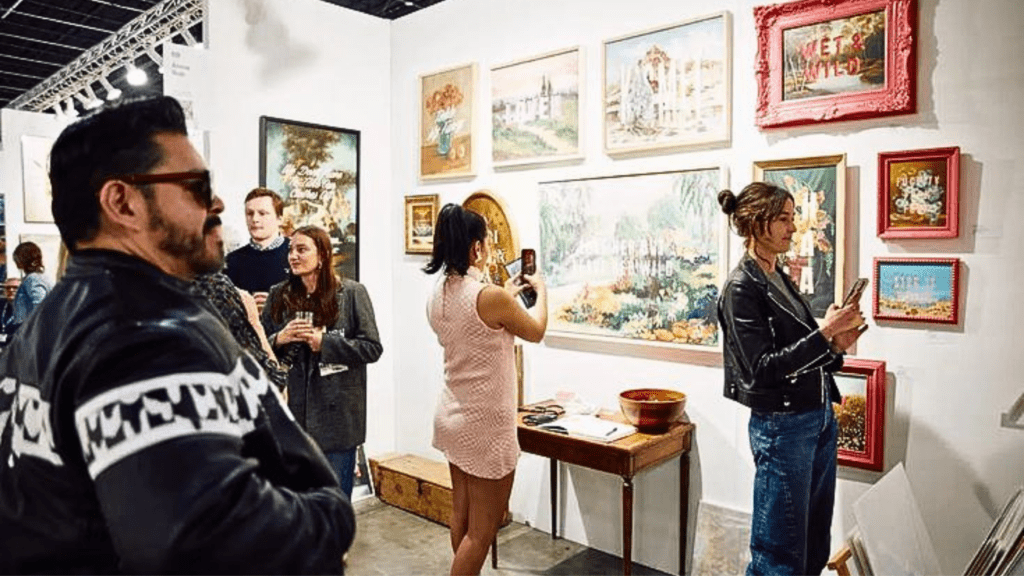
This is the part most new collectors skip, and it’s the part that protects everything you’ve built.
Start with paperwork. From the moment you buy a piece, hold on to everything, the invoice, the certificate of authenticity, any provenance records, the artist’s statement, condition reports, correspondence with the gallery or artist. Store digital copies somewhere safe. These documents are what prove ownership, establish value, and make insurance claims possible if something goes wrong. Also take clear, well-lit photos of each work in your collection front, back, details, and any existing marks or wear. Update these photos periodically, especially after a piece is moved or displayed in a new location. This creates a visual record that’s invaluable for insurance, resale, or estate planning.
How you display and store your work matters just as much. Keep art away from direct sunlight, UV light fades pigments and damages paper. Avoid placing pieces near heat sources, air vents, or in rooms with fluctuating humidity. For paintings, use proper wall mounts. For sculpture, use stable or level surfaces. On the environmental side, fluctuating conditions are one of the biggest threats to artwork. Humidity that’s too high can cause mould, warping, and foxing. Too low and you get cracking and paint flaking. A stable environment is ideally between 18–22°C with 40–55% relative humidity is what you’re aiming for.
Once your collection holds real value, protect it properly. Standard homeowner’s or renter’s insurance treats art the same as furniture, limited coverage, tight payout caps. Fine art insurance is built specifically for artwork and covers things like transit damage, accidental breakage, theft, and environmental damage. Expect to pay roughly 1–2% of your collection’s total value per year in premiums. And keep in mind that art values change. An artist’s career takes off, a series sells out, a museum show gets attention, if your insurance is based on what you originally paid, you might be underinsured. Get professional appraisals updated every few years, or sooner if there’s a noticeable shift in the market for work you own.
One last thing: if a piece is damaged, don’t try to fix it yourself. Amateur restoration can permanently reduce the value of a work. Professional art conservators know how to handle different materials and techniques without causing further harm. It costs more, but it protects your investment.
Now What?
You’ve read this far, which means you’re serious. Or at least seriously curious. Either way, the next step is the same.
Click here to see art that interest you. Not with the pressure of buying, just with the openness of paying attention. Scroll through Artnativ page. Stand in front of an artwork and see what happens.
That’s how every collection starts. Not with a strategy. Not with a budget spreadsheet. Not with a checklist. With a single moment where you see something that interest you.
The word “collector” isn’t a title someone gives you. It’s what happens naturally when you start choosing art with intention, caring for what you own, and building something that reflects who you are.
Start with one piece. The rest follows.
Ready to explore original artworks by African artists? Browse the collection at artnativ.com
Artworks on ArtNativ find the piece that starts your journey.