
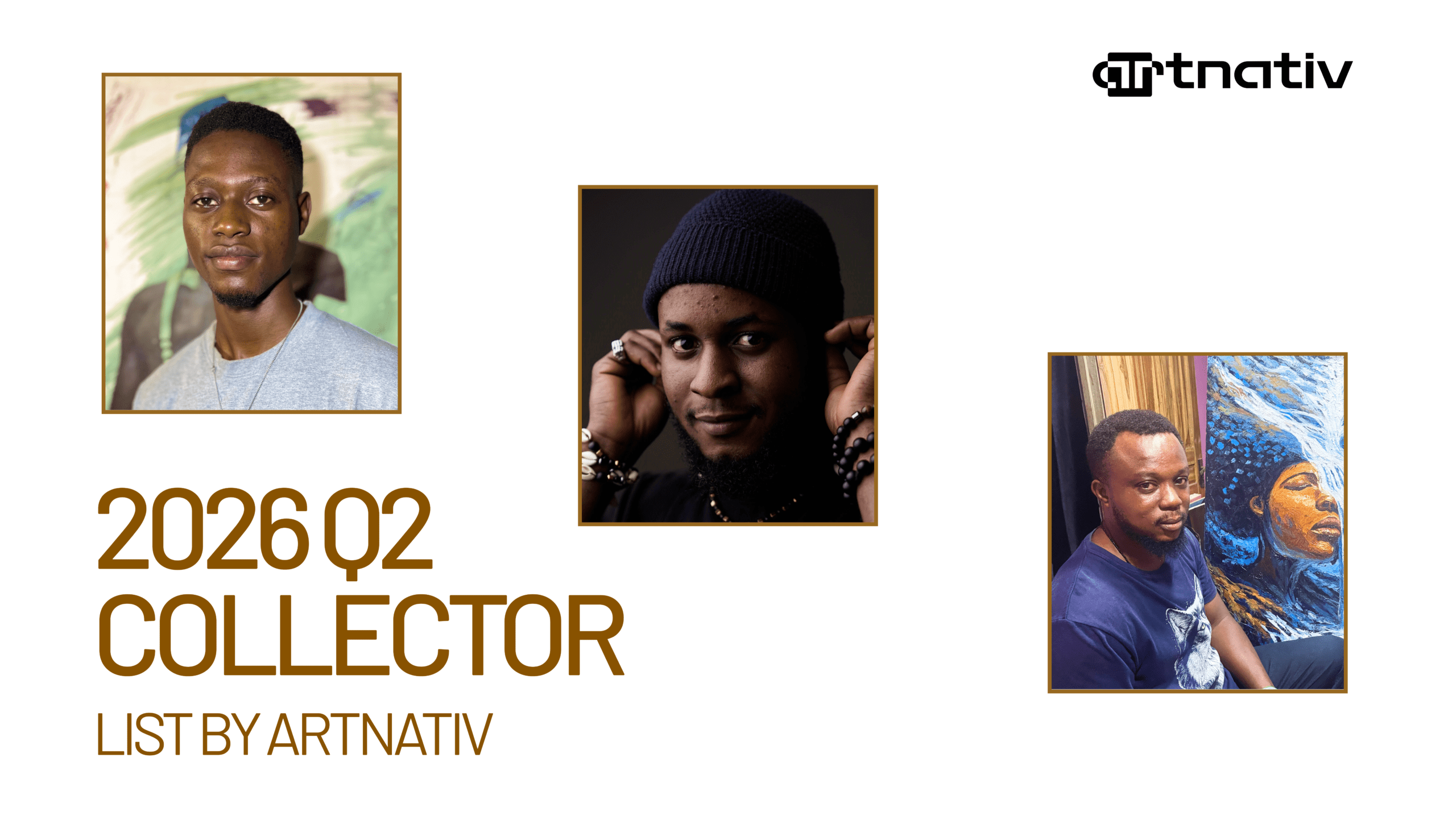
Part 2 of 4 in our 2026 Quarterly Artists to Watch Series
Introduction
As we move into the second quarter of 2026, the momentum around contemporary African art continues to accelerate. Institutional recognition, collector interest, and market growth are creating unprecedented opportunities for artists whose work demonstrates both technical excellence and cultural significance.
Our Q2 Artists to Watch list features three Nigerian artists working across diverse media—from engraved ceramics to expressive portraiture to vibrant cultural landscapes. Each represents a different facet of contemporary African practice, yet all share common ground: mastery of craft, authentic cultural voice, and clear career trajectory.
This quarterly series spotlights emerging and underrepresented artists from Africa and the Global South (though we are focusing on regions where we are currently most active) whose work deserves serious collector attention. Each quarter, we introduce artists whose practice demonstrates technical excellence, cultural authenticity, and significant growth potential.
For collectors seeking to acquire meaningful work before wider recognition shifts pricing and availability, Q2 2026 presents compelling opportunities.
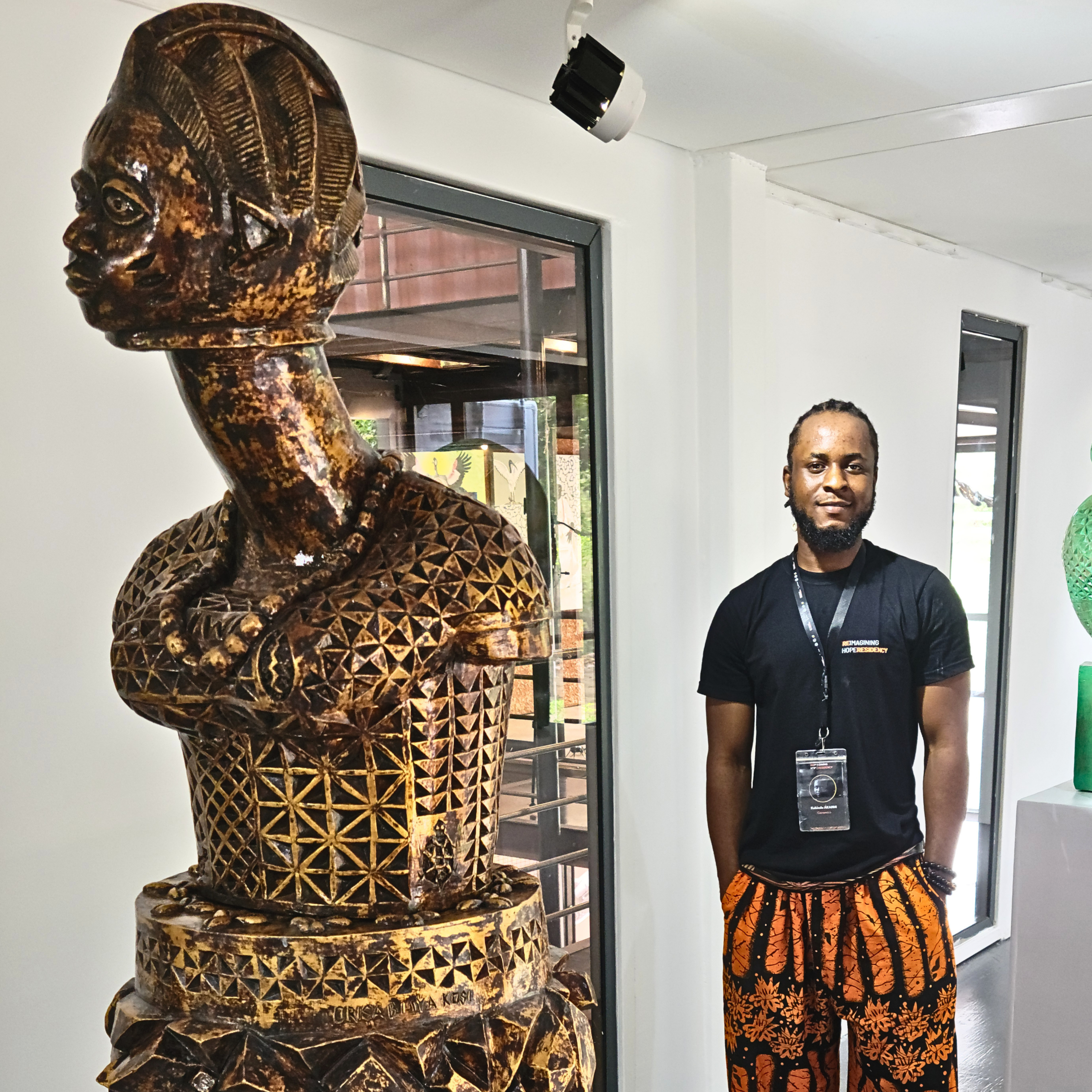
Kehinde Akanni
Engraving Heritage into Clay
Based in: Saki, Oyo State, Nigeria
Medium: Sculptural and Functional Ceramics
Technique: Hand-building, Surface Engraving, Traditional Firing
Education: Fine and Applied Arts (Ceramics), Obafemi Awolowo University, Ile-Ife
Price Range: Contact for availability
Why Watch in 2026
Kehinde Akanni stands at a pivotal moment where artistic maturity, institutional recognition, and market opportunity converge. Selected for prestigious residencies including the Reimagining Hope Residency (Federal Ministry of Art, Culture, Tourism, and Creative Economy & MADhouse by Tikera Africa) and Rele Arts Foundation’s Young Contemporary Residency, Akanni’s work is gaining the institutional validation that signals emerging artist momentum.
More significantly, his pieces have entered the National Archive—early institutional collection that positions his practice within Nigeria’s permanent cultural record. For collectors, this combination of rising recognition and accessible pricing creates a clear value proposition.
Artistic Practice
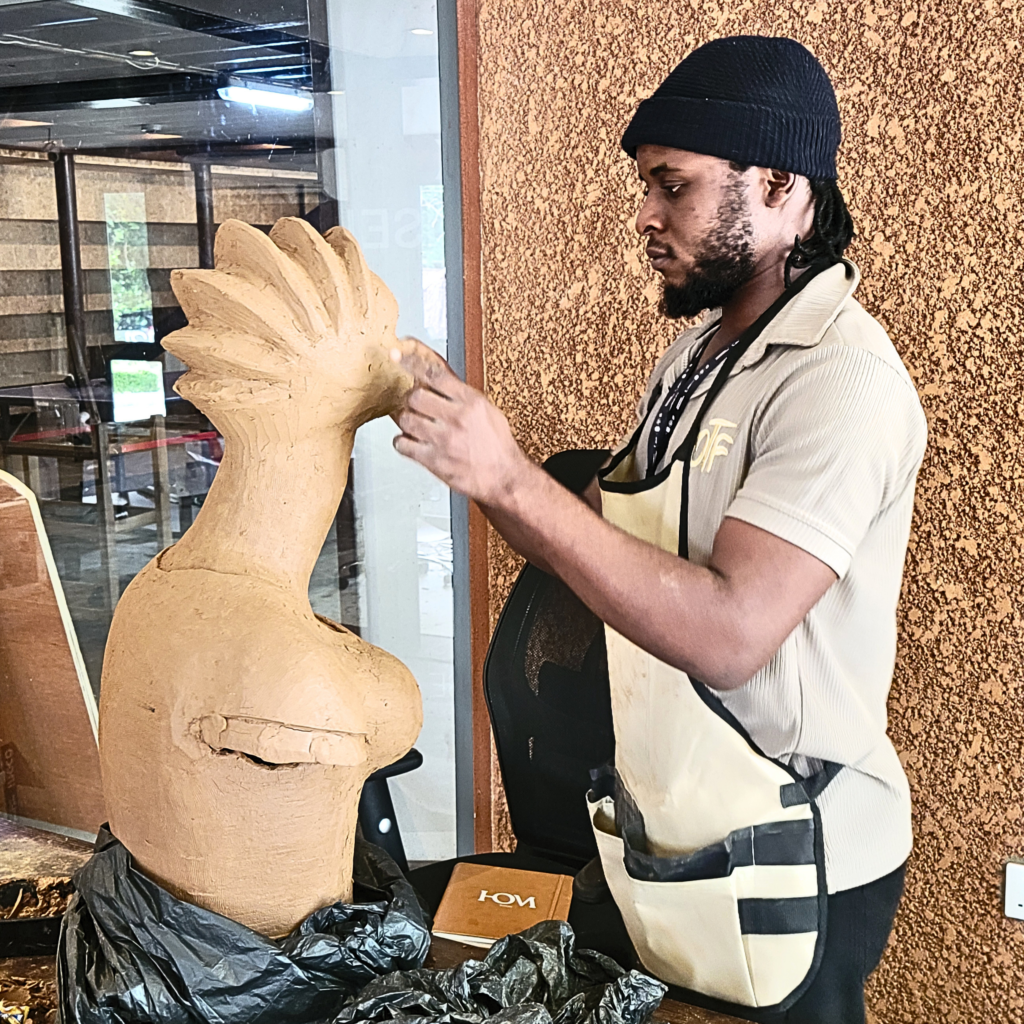
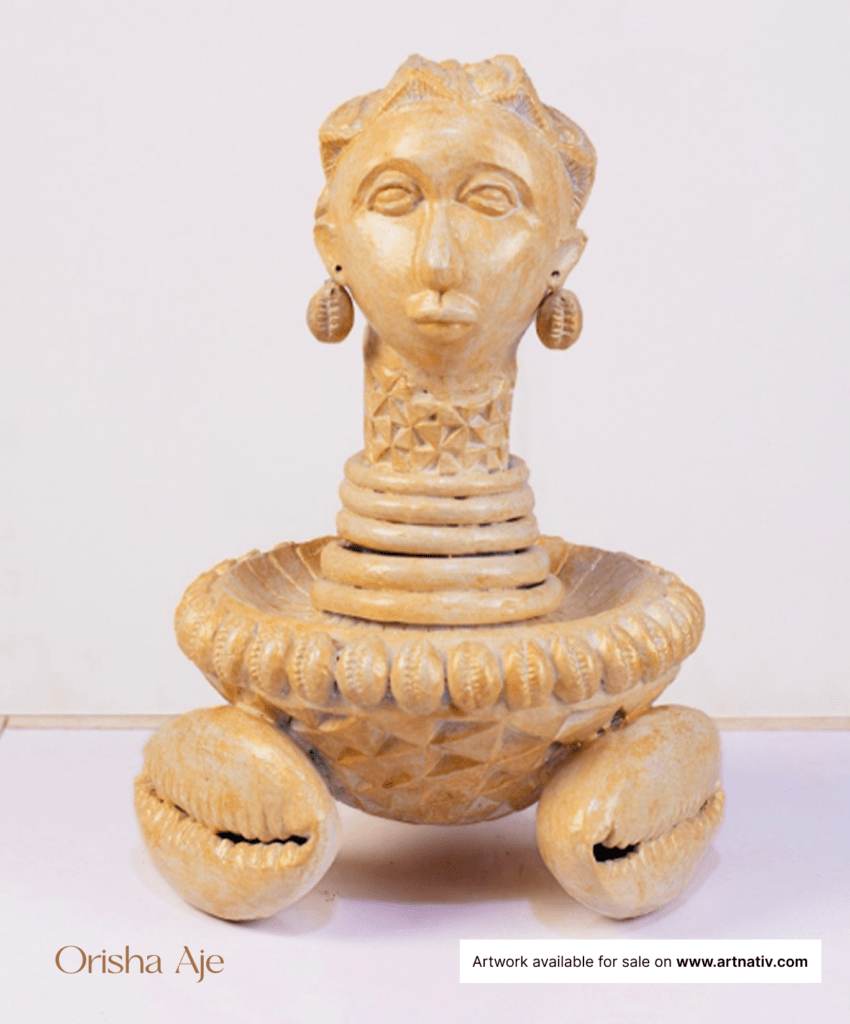
Akanni works primarily with clay, creating sculptural and functional ceramic pieces that explore African identity and cultural continuity. His practice is defined by intricate surface engravings inspired by Adire patterns and Yoruba motifs, which he carves into clay to create layered narratives and textured forms.
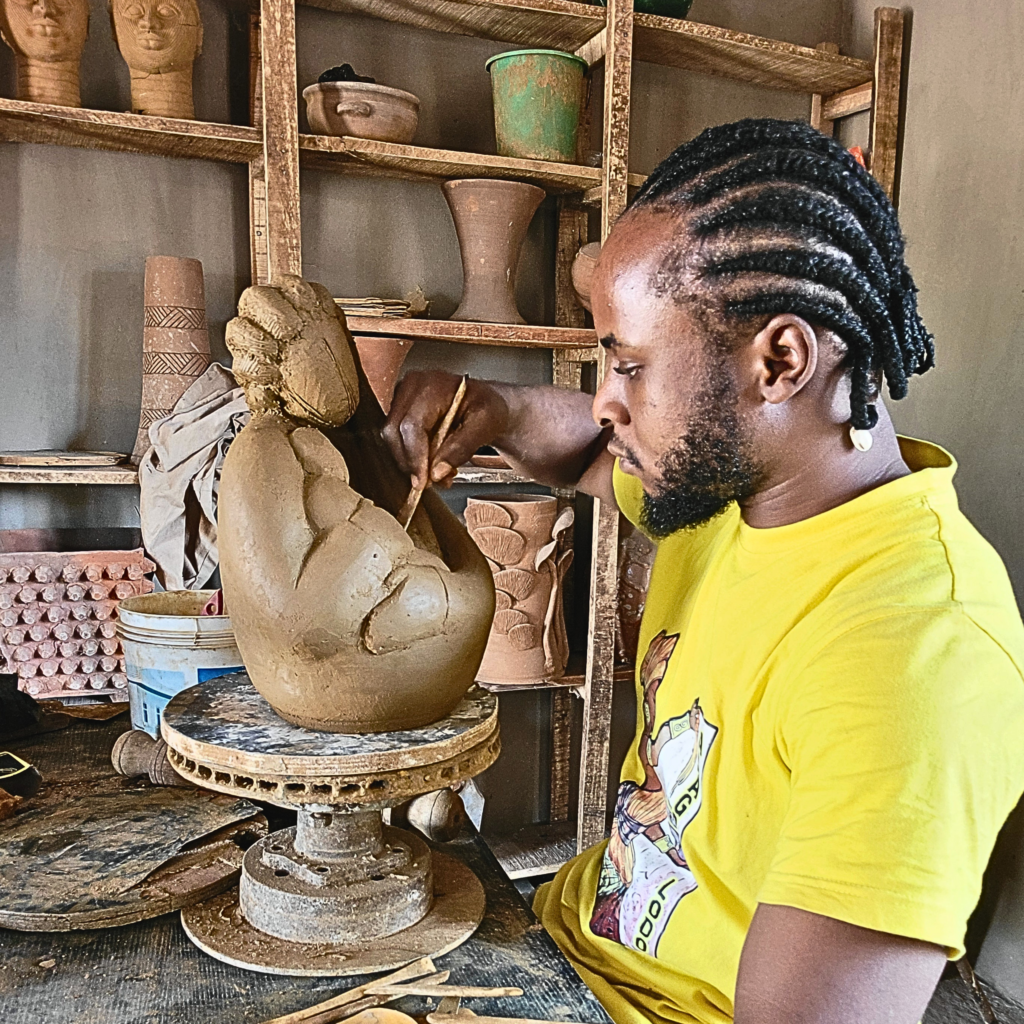
Using hand-building and throwing techniques, he constructs vessels and sculptures that serve as canvases for his detailed surface work. After achieving the desired form, Akanni meticulously inscribes Yoruba-inspired patterns into the clay—a meditative process that can take days or weeks depending on scale and complexity. The pieces then undergo careful drying and firing (wood or gas kiln), with finishes selected to enhance both texture and meaning.
This approach transforms clay from material into medium of cultural storytelling. Each engraved motif carries symbolic weight, drawing from Yoruba philosophy, Ifá cosmology, folktales, and spiritual traditions.
Cultural Foundation
“My African heritage is the foundation of my practice,” Akanni explains. Growing up within Yoruba culture provided access to a rich system of symbols, philosophies, and oral histories, which he translates into contemporary ceramic forms.
He draws specifically from Adire patterns (traditional Yoruba resist-dye textile designs), Ifá philosophy (divination system), folktales, history, and spirituality. These elements communicate ideas that resonate across local and global audiences, allowing ancient aesthetic systems to speak in contemporary contexts.
The pivotal realization came during his university practice: “Seeing how I could create form and translate Yoruba symbols and narratives into tangible forms made me understand that clay isn’t just a material but a medium of continuity and storytelling.”
Technical Excellence
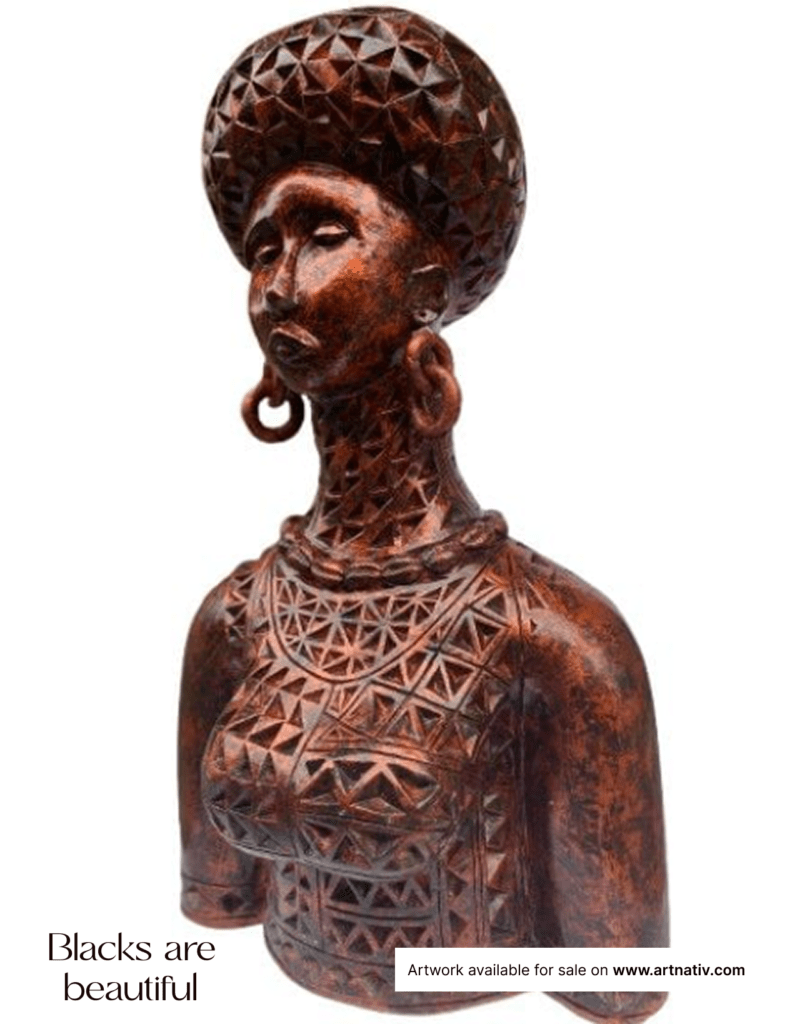
Akanni’s process reflects both discipline and intuition. Beginning with research and reflection around specific themes—identity, spirituality, societal structure—he sketches loosely before allowing forms to evolve organically once working with clay.
The making involves hand-building to achieve desired form and detail, followed by detailed surface engraving where Adire and Yoruba-inspired motifs are inscribed. After completion, pieces are wrapped and left to dry gradually indoors, then fired with careful attention to finishes that enhance texture and meaning.
Depending on scale and complexity, works can take anywhere from days to weeks. Larger, conceptually layered pieces often require extended periods—a timeline that reflects the care embedded in each stroke.
Career Momentum
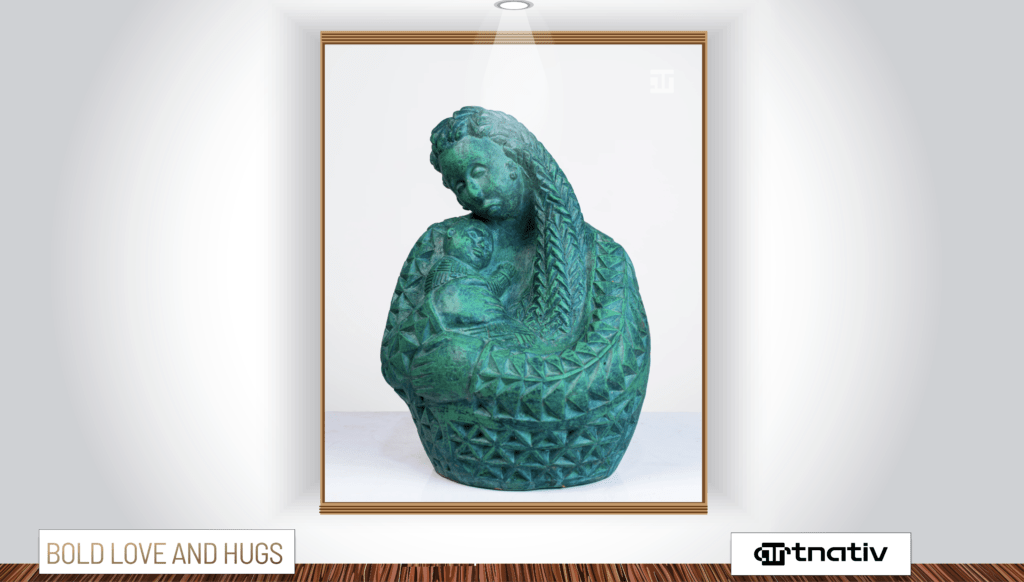
Beyond residency selections and National Archive inclusion, Akanni has exhibited extensively across Nigeria’s contemporary art landscape: +234 ArtFair (2025, 2026), Creative Tides at National Museum Onikan, Adire Lagos Ceramic Art Exhibition, The Artist Commune, and multiple ceramics-focused exhibitions demonstrating the breadth of his practice.
Looking ahead, he envisions expanding studio practice into larger-scale sculptural installations that deepen explorations of identity and cultural memory. “In the next 3-5 years, I aim to position my practice within global conversations through exhibitions, residencies, and art shows, while remaining rooted in the preservation and evolution of African cultural heritage.”
For Collectors
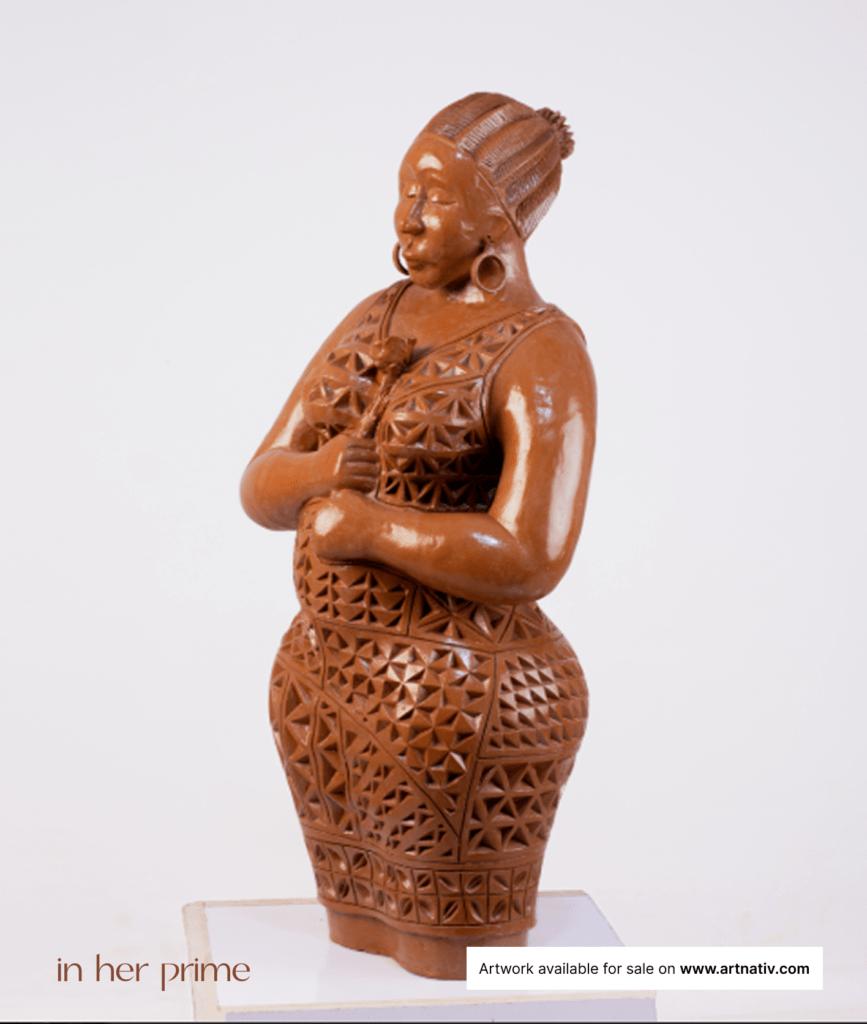
Akanni’s work appeals to collectors seeking:
- Cultural depth: Each piece functions as material archive of Yoruba tradition
- Technical mastery: Meticulous surface engraving demonstrates exceptional craft
- Contemporary relevance: Ancient aesthetics reinterpreted for current discourse
- Investment fundamentals: Institutional recognition + accessible pricing + clear trajectory
“Collectors should understand that each piece is not only an object, but a message carefully constructed through material, texture, and symbolism,” Akanni notes. “What makes my practice unique is my use of engraved Yoruba and Adire-inspired motifs as a storytelling language within ceramics.”
Artist Statement
“If my art could speak, it would remind us not to lose touch with where we come from. It would speak about identity, memory, and the quiet strength embedded in African traditions. It would ask viewers to reflect on the values, philosophies, and histories that shape us, even in a rapidly modernizing world.””If my art could speak, it would rmind us not to lose touch with where we come from. It would speak about identity, memory, and the quiet strength embedded in African traditions. It would ask viewers to reflect on the values, philosophies, and histories that shape us, even in a rapidly modernizing world.”
Segun Ajao
The Sculpted Eyebrow as Symbolic Language
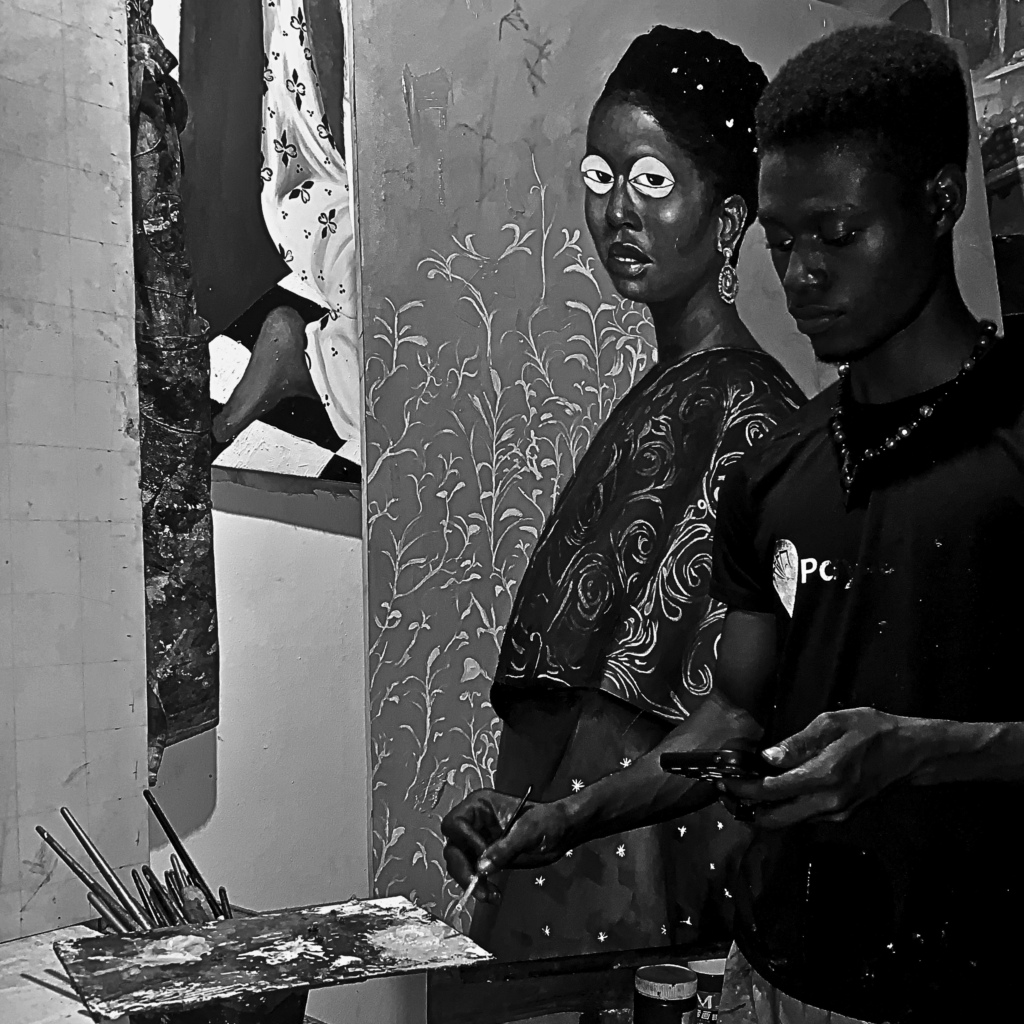
Based in: Ibadan, Nigeria
Medium: Acrylic Painting, Portraiture
Signature: Distinctive Sculpted Eyebrow Technique
Previous Medium: Charcoal (transitioned to acrylic)
Price Range: Contact for availability
Why Watch in 2026
Segun Ajao has developed a visual signature so distinctive that a single detail—the sculpted eyebrow—has become synonymous with his practice. In contemporary art markets, such immediate recognizability carries significant value. Collectors and curators can identify an Ajao work across a room, a rare achievement for an emerging artist.
Beyond stylistic distinction, Ajao is pursuing ambitious visibility projects including a Guinness World Record attempt for the longest marathon drawing. This strategic move positions his work within both local and global contemporary art conversations, generating media attention and institutional interest that typically accelerates artist recognition.
Artistic Practice
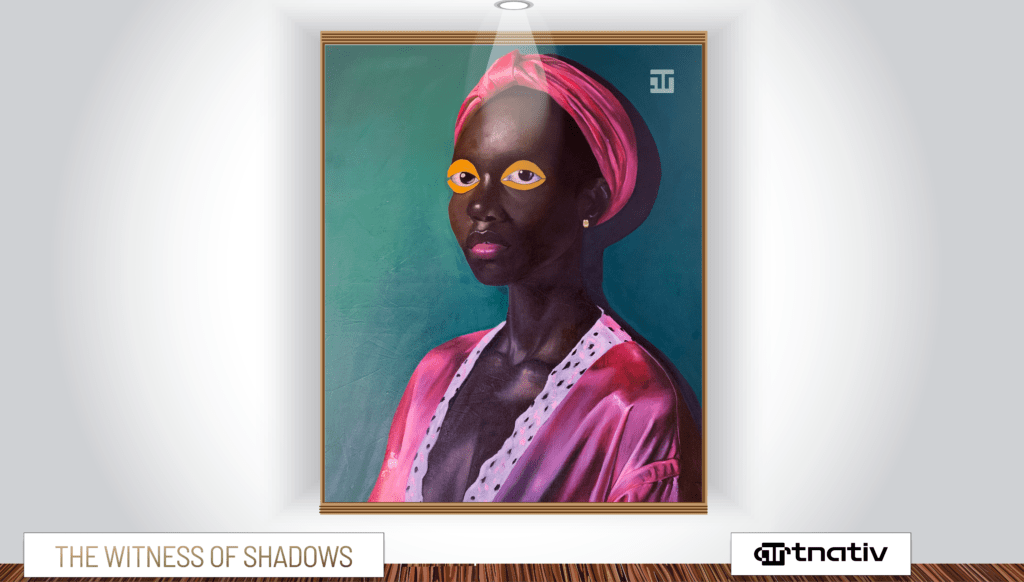
Ajao’s work centers on the human face as powerful emotional landscape. He captures subtle expressions that reveal what words often cannot: pain, strength, growth, identity.
The sculpted eyebrow in his portraits is not mere stylistic flourish but symbolic element representing the shaping forces of life—pressure, experience, resilience. “Just like a sculpture is carved and refined, I believe our lives are shaped by what we go through,” Ajao explains.
Beginning his artistic journey with charcoal, Ajao’s transition to acrylic painting enabled richer textures and more dynamic visual language. The shift introduced color, depth, and energy that better express the complexity of human emotion while maintaining the raw honesty that defined his earlier work.
His technique combines expressive brush strokes with controlled mark-making, creating portraits that balance spontaneity with precision. Subjects emerge from layered paint application, their faces bearing the textural weight of lived experience.
Conceptual Framework
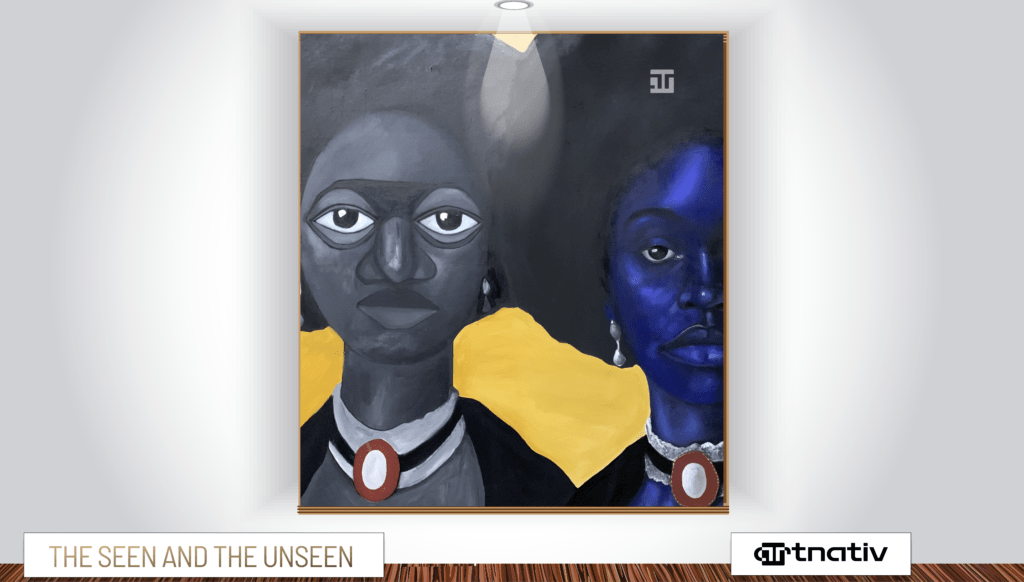
“My work is deeply rooted in personal experiences and is driven by a desire to connect with and inspire young people,” Ajao states. “By translating emotion into form, I encourage self-awareness, resilience, and authenticity.”
This mission—creating work that speaks specifically to young people navigating identity formation and life challenges—gives his practice both urgency and purpose. Rather than creating purely for aesthetic contemplation, Ajao positions his portraits as mirrors for self-reflection and vehicles for emotional recognition.
The sculpted eyebrow becomes metaphor for this shaping process. Eyebrows frame and define facial structure; similarly, experience frames and defines identity. The exaggerated, sculptural quality Ajao gives this feature emphasizes transformation as active process rather than passive occurrence.
Technical Evolution
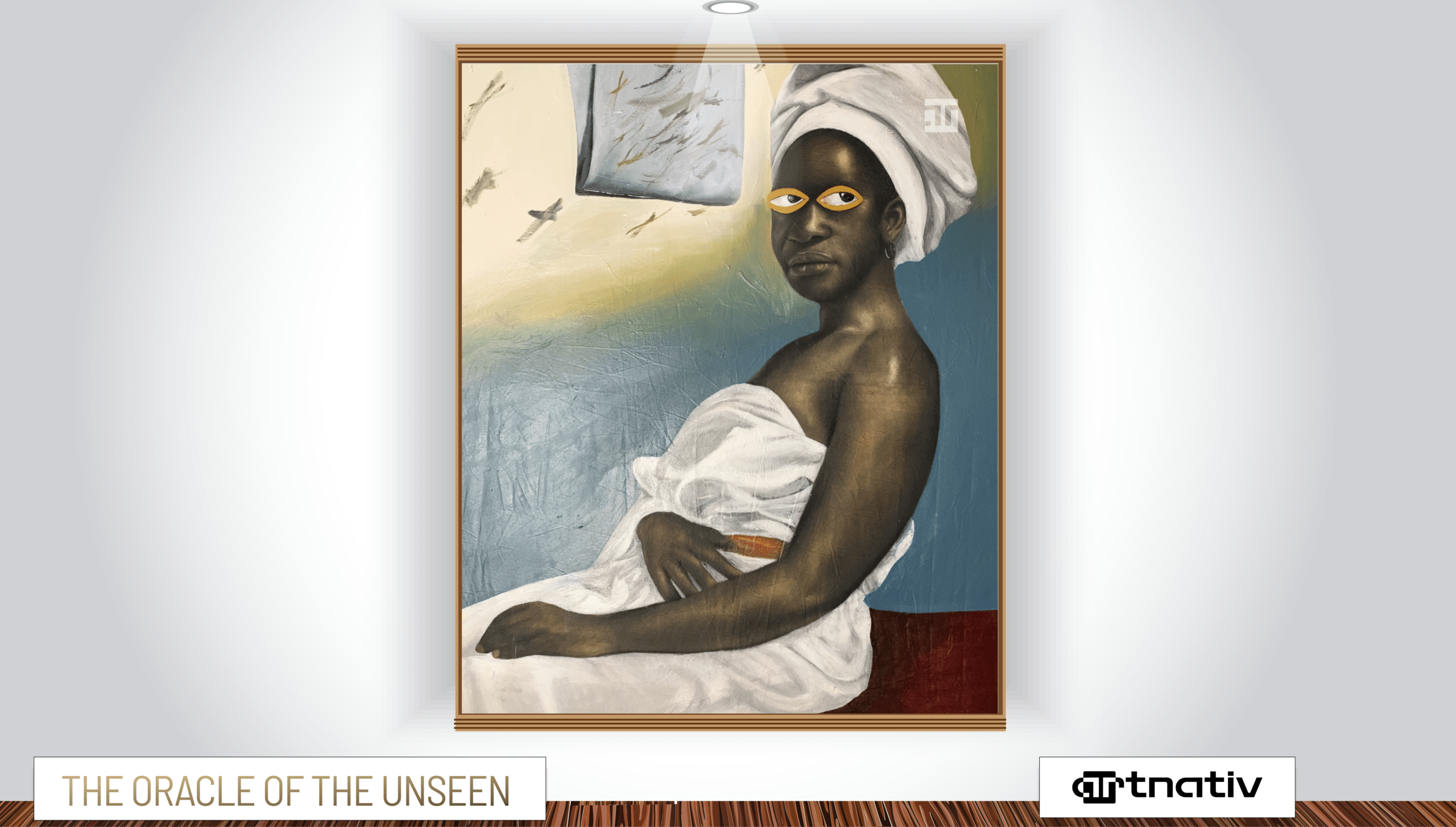
Ajao’s move from charcoal to acrylic represents strategic artistic development. Charcoal provided foundation in tonal relationships, form construction, and emotional intensity. These fundamentals remain visible in his acrylic work—the strong value structures, confident mark-making, psychological depth.
Acrylic introduced possibilities charcoal couldn’t access: chromatic variation to convey different emotional states, textural complexity through impasto technique, layering that creates visual and conceptual depth, and vibrancy that connects with contemporary audiences accustomed to color saturation.
The result is work that maintains charcoal’s emotional directness while accessing acrylic’s expressive range—portraits that feel both immediate and considered, raw and refined.
Career Trajectory
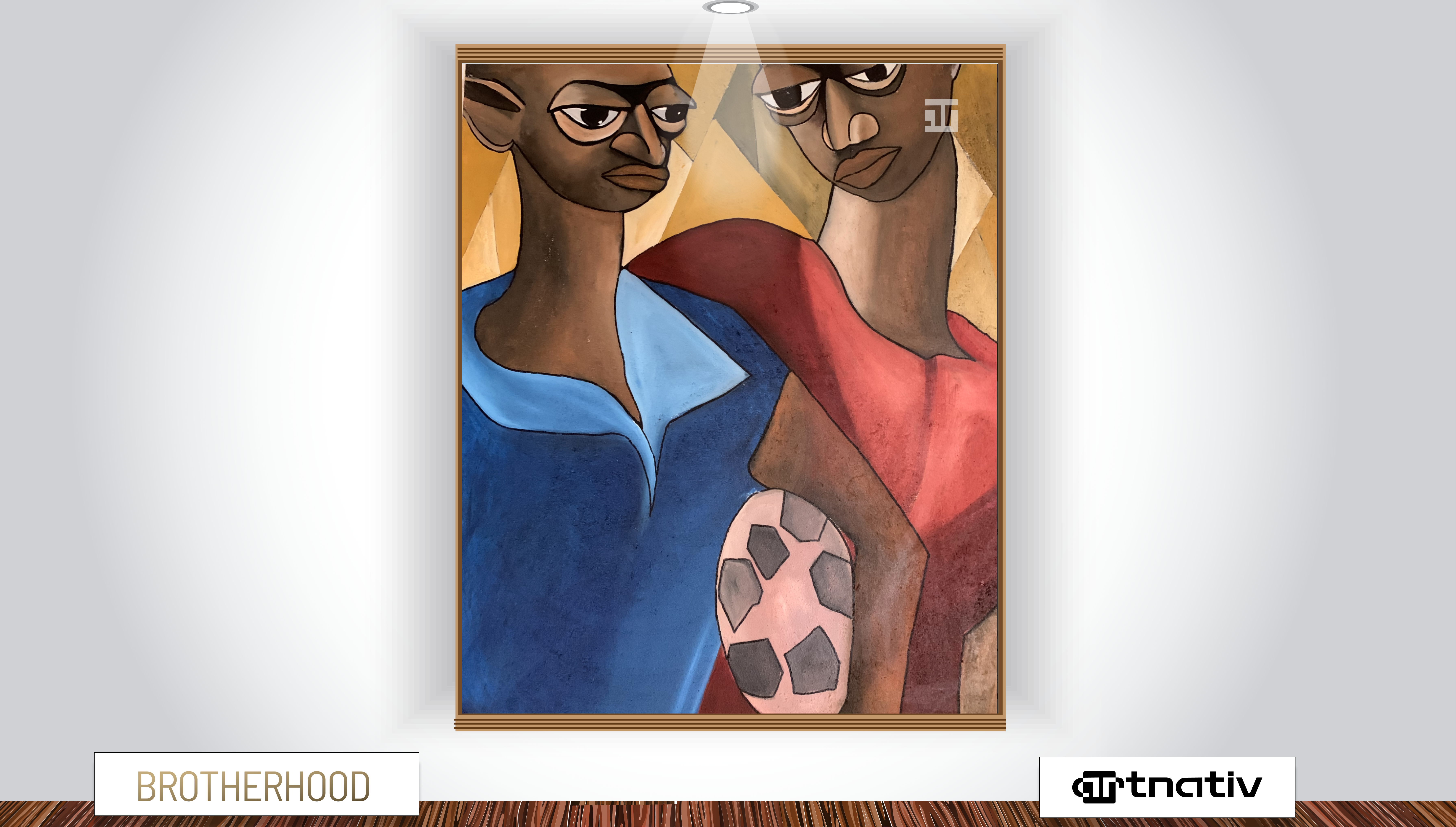
Ajao’s exhibition “Humanity” (Villa Rica, Georgia, USA, 2023) marked early international showing, demonstrating appeal beyond local Nigerian context. This cross-cultural resonance—work rooted in specific African experience yet speaking to universal human themes—positions him well for expanding international presence.
His Guinness World Record attempt for longest marathon drawing represents unconventional but effective visibility strategy. Such projects generate media coverage, social media engagement, and public curiosity that accelerate artist recognition beyond traditional gallery channels.
For Collectors
Ajao’s work offers collectors:
- Immediate recognizability: The sculpted eyebrow signature creates instant brand identification
- Emotional resonance: Portraits that engage viewers psychologically, not just aesthetically
- Technical confidence: Strong formal skills ensure work holds up to close examination
- Market positioning: Guinness attempt and international exhibitions signal rising trajectory
- Affordable entry: Accessible pricing for technically accomplished, conceptually clear work
“Collectors should understand my use of colors—I play with colors, and my titles for my artwork are unique,” Ajao notes, emphasizing the intentionality behind his aesthetic choices.
Artist Statement
“Art is the visual expression of oneself. I want people to understand that their experiences, no matter how challenging, are part of their strength. My work is about resilience and self-awareness.”
Smith Olaoluwa
Color, Culture, and African Landmarks
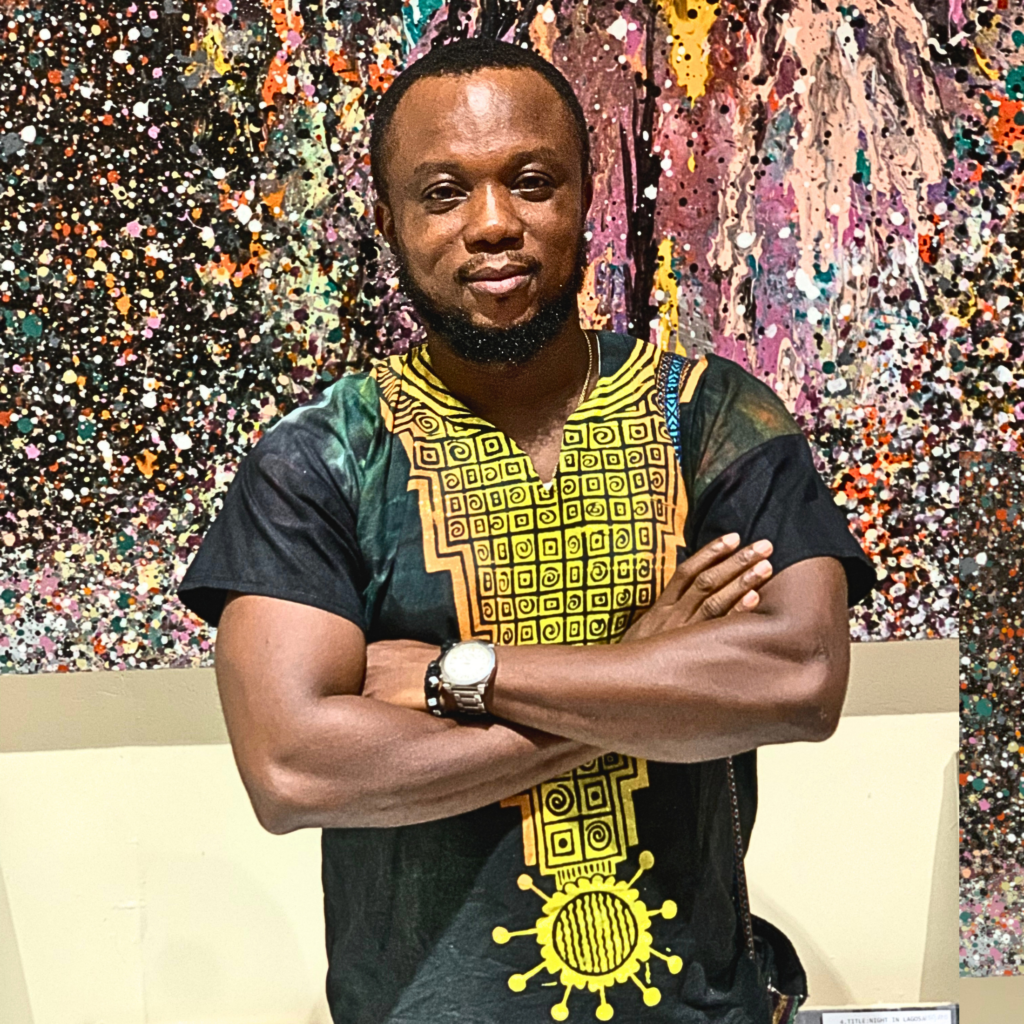
Based in: Lagos State, Nigeria
Medium: Acrylic, Oil, Pastel, Charcoal
Focus: African Landmarks and Traditional Practices
Technique: Vibrant Color Application, Brush Strokes, Impasto
Price Range: Contact for availability
Why Watch in 2026
Smith Olaoluwa (also known as Smitholas) (A graduate of Fine and Applied Arts (Graphic Design/Painting), University of Benin Edo state Nigeria) has built an impressive international exhibition and sales record that many emerging Nigerian artists haven’t achieved: work collected across the United States, UK, Europe, and Dubai, with participation in juried international competitions and group exhibitions spanning over a decade.
This isn’t an artist waiting to be discovered—it’s an artist whose work has already proven market viability internationally while remaining accessible to Nigerian collectors. For 2026, the opportunity lies in collecting before Nigerian institutional recognition catches up with his international visibility.
Artistic Practice
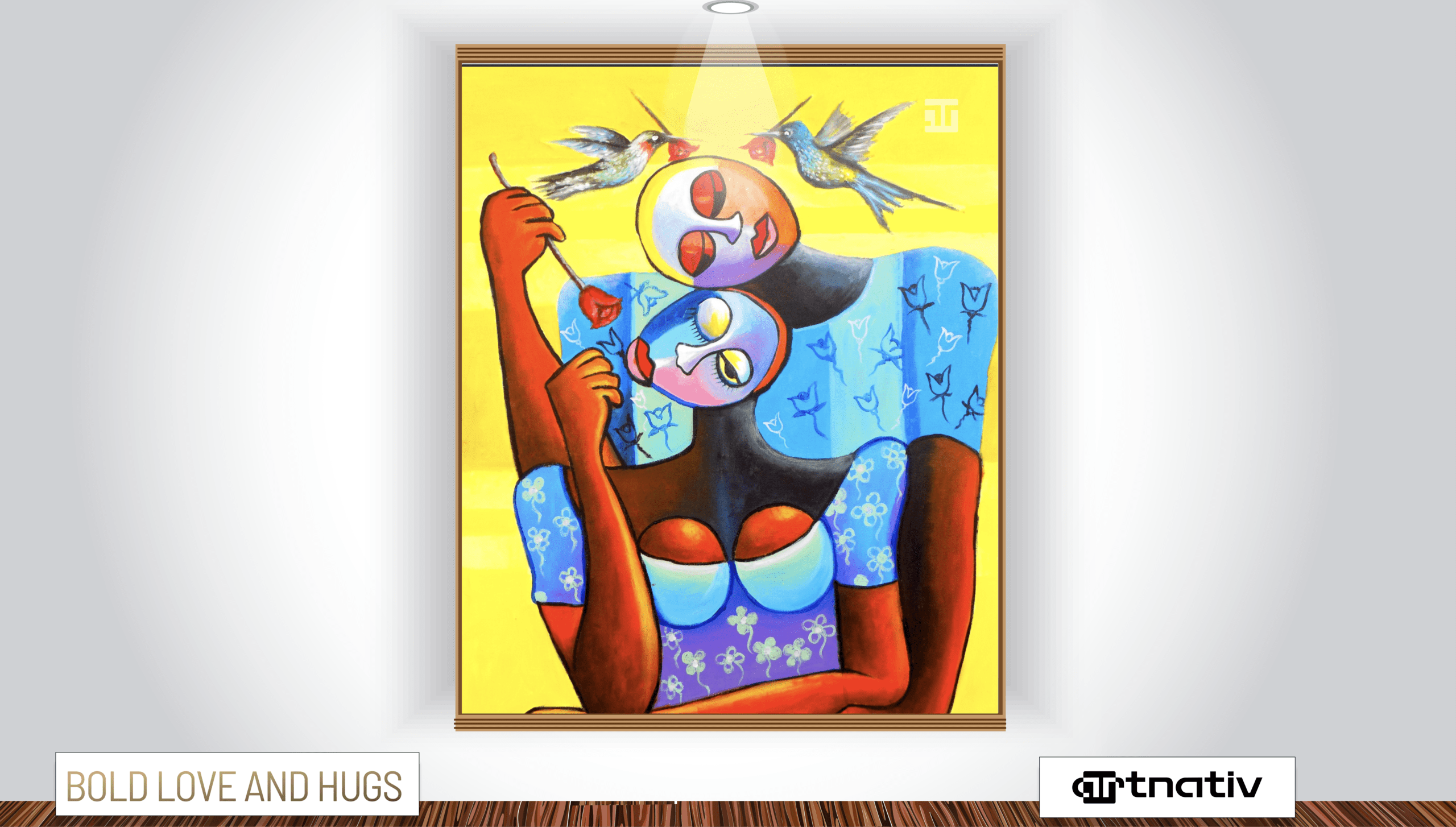
Olaoluwa works across multiple media—acrylic, oil, pastel, charcoal—employing techniques including expressive brush strokes and impasto (thick paint application that creates texture and dimensionality). His subjects focus on African landmarks and traditional practices, creating visual celebrations of cultural heritage and contemporary African life.
“The African heritage and cultural background reflect in my art, whereby I focus on landmarks and traditional practice in Africa,” Olaoluwa explains. This commitment to cultural documentation through vibrant, accessible imagery positions his work as both artistic expression and cultural archive.
His creative process emphasizes color as primary expressive tool: “I play with colors, and my titles for my artwork are unique.” This chromatic confidence gives his work immediate visual impact—paintings that announce themselves through bold palettes and energetic mark-making.
Depending on scale, works can take a week for standard sizes or a month-plus for larger paintings, with particular attention given to details that bring compositions to life.
Cultural Mission
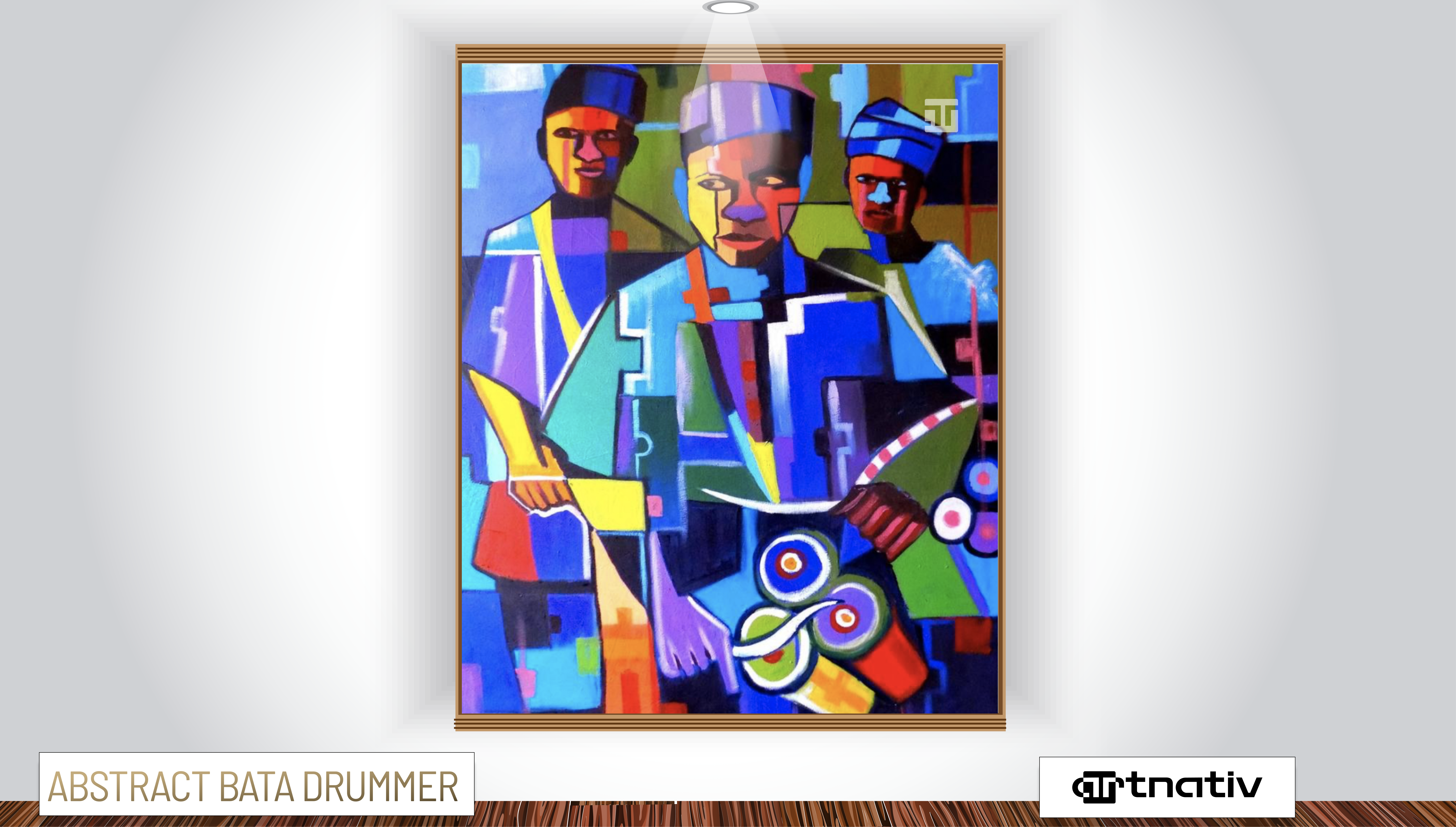
Olaoluwa’s early artistic development was nurtured through vocational training with professional artists during weekends and holidays—a common path for Nigerian artists developing skills outside formal university systems. This grassroots training often produces artists with strong technical foundations and direct connection to community artistic traditions.
His focus on African landmarks and traditional practices reflects desire to document and celebrate aspects of African life that might otherwise remain unrecorded or undervalued in contemporary art discourse. By rendering these subjects with chromatic vibrancy and painterly confidence, he elevates everyday African cultural expressions to subjects worthy of artistic attention and collector investment.
International Recognition
Olaoluwa’s exhibition history demonstrates sustained engagement with international art platforms:
United States Exhibitions:
Upstream People Gallery Juried Online Exhibitions (2014, 2016)
Four Points Contemporary Biannual Competitions (2014, 2015) – Award of Excellence
Colorado Mesa University Charity Legacy Exhibition (2012)
University of Maryland Baltimore Art Exhibition (2015)
World Awareness Children’s International Art Exchange (2019, Glens Falls, New York)
Yale Institute of Sacred Music (2023, Award of Recognition)
Nigerian Exhibitions:
Society of Nigerian Artists Exhibition
October Rain Exhibition (2014)
Banana Island Art Alive Exhibition (2017)
SOS Children’s Village Exhibition (2011)
National Association of Fine and Applied Art Students Exhibition, University of Benin (2005)
Awards:
2022: Songbird Art International Award (White Bear Lake, Minnesota)
2021: Wildlife Forever State Fish Art International Award (Minnesota)
2019: International Art Exchange Award (New York)
2016: Upstream People Gallery Special Recognition Award (Nebraska)
2015: Four Points Contemporary Biannual Competition (Houston, Texas)
2014: Four Points Contemporary Award of Excellence (Houston, Texas)
This dual presence—Nigerian institutional exhibitions combined with consistent international competitive success—demonstrates work that translates across cultural contexts while maintaining authentic African perspective.
Multidisciplinary Practice
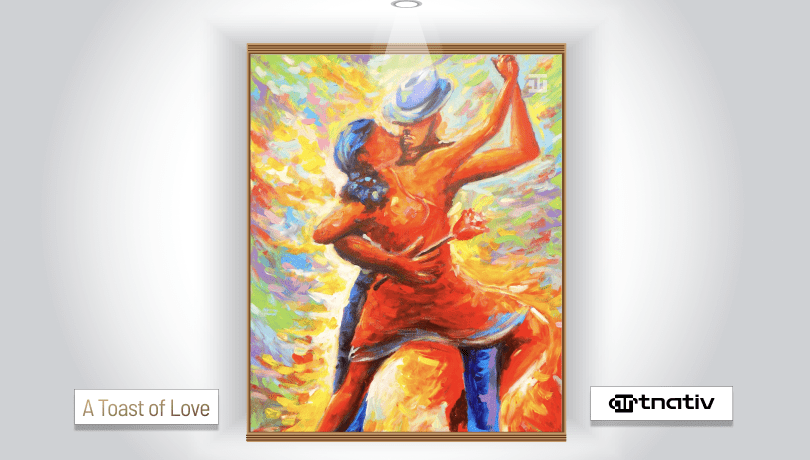
Beyond visual art, Olaoluwa maintains active practice as professional trumpeter and online art educator. He also operates African handmade jewelry business online—entrepreneurial diversification common among Nigerian artists building sustainable creative careers.
This multifaceted approach doesn’t dilute his painting practice; rather, it demonstrates the resourcefulness and creative range that characterizes successful contemporary African artists navigating limited institutional support systems.
For Collectors
Olaoluwa’s work appeals to collectors seeking:
- Proven international track record: Decade-plus of exhibitions and sales across multiple countries
- Vibrant, accessible aesthetic: Bold colors and energetic compositions with immediate visual appeal
- Cultural specificity: African landmarks and traditions rendered with insider authenticity
- Award validation: Multiple competition wins and recognitions from U.S. institutions
- Affordable acquisition: Work with established exhibition history at accessible price points
His international sales record (U.S., UK, Europe, Dubai) demonstrates market acceptance while current pricing creates opportunity for Nigerian collectors to acquire work already validated internationally.
Artist Statement
“Art is the visual expression of oneself. Use of colors in my arts—I play with colors, and my titles for my artwork are unique.”
How to Invest in These Rising Artists
Why Q2 2026?
Each artist in this quarter’s Watch List has reached critical career inflection points:
Kehinde Akanni: Major residency selections + National Archive inclusion = institutional validation
Segun Ajao: Distinctive visual signature + Guinness visibility project = market recognition building
Smith Olaoluwa: International exhibition/sales record + Nigerian institutional presence = dual-market validation
The shared thread: technical mastery demonstrated through sustained practice, cultural authenticity rooted in lived African experience, clear career momentum through exhibitions and recognition, and pricing that hasn’t caught up with achievement or trajectory.
Investment Considerations
Contemporary African art market fundamentals remain strong heading into Q2 2026:
- Institutional acquisition rates continue climbing
- International fair presence expanding (more platforms for African artists)
- Collector base diversifying (diaspora + international + local Nigerian growth)
- Digital platforms (like ArtNativ) democratizing access and discovery
Artists positioned at intersection of quality and accessibility—like our Q2 selections—stand to benefit as these trends accelerate.
Collecting Across Media
Q2 2026 offers collectors opportunity to diversify across three distinct media:
- Ceramics (Akanni): Sculptural objects with functional art crossover appeal
- Portraiture (Ajao): Figurative painting with strong contemporary market
- Landscape/Cultural Scenes (Olaoluwa): Vibrant compositions with decorative and cultural value
This medium diversity allows collectors building comprehensive contemporary African art collections to acquire significant work across categories in single quarter.
How to Purchase
Browse Individual Galleries: Each artist’s complete portfolio is available on ArtNativ with detailed information about available works, dimensions, and pricing.
Commission Opportunities: Artists may accept commissions for collectors seeking specific themes, sizes, or color palettes. Inquire through artist galleries.
Curator Consultation: Our curatorial team provides personalized guidance based on your collecting goals, budget, and aesthetic preferences. No charge for consultations.
Flexible Payment: ArtNativ offers payment plans for investment-grade pieces, making significant acquisitions more accessible. Contact our team to discuss options.
Join Our Growing Collector Community
ArtNativ collectors are building meaningful contemporary art collections by discovering talented artists before wider market recognition. By acquiring work from our quarterly “Artists to Watch” series, you’re not just investing in art—you’re directly supporting artists from underrepresented backgrounds whose voices deserve to be heard.
Benefits of collecting from our Watch List:
- Early access to rising talent before gallery representation or auction presence
- Direct artist support – purchases help artists sustain and grow their practice
- Investment potential – acquire museum-quality work at accessible prices
- Curated selection – every artist personally vetted for technical skill and cultural significance
- Authentic stories – work rooted in lived experience, not market trends
Ready to start or expand your collection?
Browse Q2 2026 Artists to Watch →
Schedule Curator Consultation →
View All Available Works →
Join Our Collectors Community →

About the Curator

The ArtNativ curatorial team amplifies the voices of underrepresented artists from Africa and the Global South, connecting them with collectors worldwide who recognize the power and investment potential of their work. Through careful curation and artist advocacy, we create opportunities for talented artists whose practices deserve wider recognition and market access.
The quarterly “Artists to Watch” series reflects this mission: identifying artists of exceptional talent and cultural significance before institutional gatekeepers determine their value, giving collectors the opportunity to support meaningful work at accessible price points.
While our vision encompasses artists across Africa and the Global South, each quarterly list focuses on the regions where ArtNativ is currently most active, ensuring we can provide the deepest artist relationships, most reliable authentication, and best collector support. As we expand our network, future lists will feature artists from additional regions across the continent and beyond.

Coming in Q3 and Q4 2026
This is our second quarterly list of 2026. Each quarter, we introduce artists whose work merits serious collector attention.
Our Regional Approach:
ArtNativ’s quarterly series focuses on regions where we have the strongest artist relationships, can verify authenticity with confidence, and provide the best collector