


Most gifts can survive a little misjudgment. A scarf in the wrong colour might be worn once and forgotten, but art is different. It is meant to be seen and lived with, often for years. When the choice is right, it can become part of someone’s home and carry real meaning. When it is wrong, the mistake stays visible. That is what makes gifting art both difficult and rewarding.
There is also a psychological reason people often get it wrong. Research using construal level theory, which looks at how psychological distance influences decision-making, found that gift-givers tend to focus on a gift’s desirability, how beautiful, impressive, or striking it seems. Recipients, however, think more about feasibility: whether it suits their taste, space, and everyday life. Related research also suggests that givers often see a higher price as a sign of a better gift, while recipients may value a more appropriately chosen, accessible piece just as much or more. In many ways, choosing art well is about closing that gap.
Gift-giving itself is also much older than the art market. In 1925 study The Gift, anthropologist Marcel Mauss described gifts as more than objects being exchanged; they create social connections between people through giving, receiving, and reciprocity. Art can carry that meaning particularly strongly because it is personal, valuable, and long-lasting. That is why it is worth approaching an art gift with a little more intention.
Start With the Person, Not the Artwork

Before thinking about style or budget, think about the occasion and the relationship. A wedding or new-home gift might call for something symbolic, while a birthday or thank-you gift can simply reflect the person’s taste. A retirement or milestone gift might work better with something that acknowledges a new chapter.
The relationship matters too. A substantial artwork may feel appropriate for someone close to you but too personal or expensive for a colleague, client, or new acquaintance, particularly where expectations of reciprocity may exist. The right question is: how personal should this gift feel?
How to Read Their Taste

You do not always have to ask someone what kind of art they like. Often, their existing choices tell you more. Look at what they have on their walls, what they have bought, saved, framed, or even posted. Pay attention to recurring colours, subjects, mediums, textures, and moods.
Their life can offer clues too. A landscape connected to somewhere they have travelled, a subject related to a hobby, or a piece that connects to a shared memory can make the gift feel personal without being predictable.
If you know very little about their taste, ask someone who does. This becomes especially important across cultures, where colours, symbols, imagery, and even numbers can carry different meanings.
What Kind of Art Should You Actually Buy?
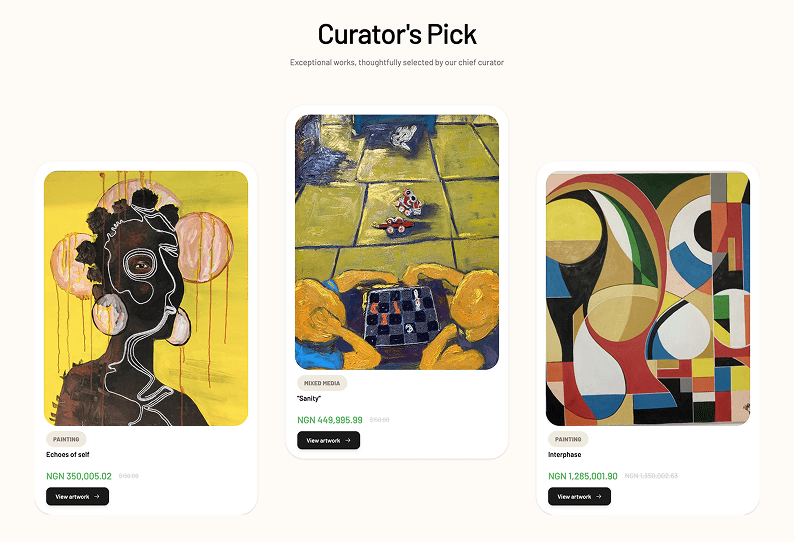
Art comes in many forms, and the format you choose can change both the meaning and the level of risk involved.
Original works are often the most personal because they are one-of-a-kind, but they are also harder to choose and usually more expensive.
Limited editions and prints can offer a useful middle ground, especially when they are signed or numbered, giving the recipient something with artistic and sometimes monetary value without the same level of commitment.
Photography can also work well when you are unsure of someone’s wider artistic preferences, particularly when the image connects to a place, subject, or moment they care about.
Sculpture and art objects offer another option, especially when wall space is uncertain. And if you want something deeply personal, a commission can turn an artwork into something made specifically around a person, place, pet, or shared memory.
The trade-off is time: commissions require a clear brief, budget, and enough time for the artist to complete the work. When you genuinely cannot work out what they would like, a gift card or credit connected to a gallery, artist’s shop, or platform they already enjoy can also be a thoughtful way to let them make the final choice.
How Much Should You Spend?

Set your budget before you start looking. Art prices vary widely, and it is easy to abandon your limit once you find something you love.
More expensive does not automatically mean more meaningful. Research on gift pricing suggests that givers often see price as a sign of quality or effort, while recipients do not necessarily make the same connection. Choose an amount that feels right for the relationship, then focus on finding the best-fitting piece within it.
Think About Their Space

A beautiful artwork still needs somewhere to live. This is the feasibility side of the desirability-feasibility gap.
If you know their home, consider the space and scale. If you do not know, a smaller and more flexible piece is generally safer than a large statement work that requires a specific wall.
Framing matters too. A framed artwork that is ready to hang removes an extra decision and expense for the recipient, while an unframed piece leaves that work to them. If you want the gift to feel complete, these practical details matter.
How to Buy Safely: Artist, Gallery and Provenance

Once you have chosen the artwork, take a moment to make sure you are buying it safely.
Buying from a reputable gallery, marketplace, or verifiable artist can help reduce the risk of fakes, misattribution, and unverified reproductions, particularly when purchasing original or limited-edition work.
For original or higher-value pieces, provenance can provide a documented history of the artwork, including where it came from, who created it, and how it has been authenticated.
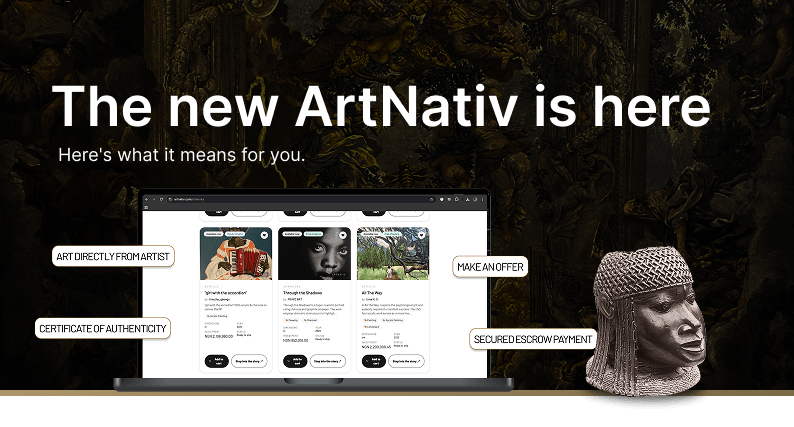
A Certificate of Authenticity (COA) can also give the recipient important documentation about the artwork. When you purchase through ArtNativ, artworks come with a Certificate of Authenticity, helping provide confidence in the work’s authorship and authenticity.
And for valuable or fragile pieces, make sure you understand the shipping, packaging, handling, and insurance arrangements before you complete the purchase.
This is where Authenticity and Transparency become particularly important. Buying art should not end with finding something beautiful. You should also be able to understand what you are buying, who created it, and the story behind the work.
At ArtNativ, discovering an artwork also means discovering the artist behind it. Whether you’re buying a piece for yourself or choosing a gift for someone else, taking the time to learn about the work can make the experience and the gift more meaningful.
Make the Gift Personal

The artwork is only part of the experience. A short note explaining why you chose it can make the gift feel much more personal, whether the connection is a memory, a place, a shared moment, or simply something about the artwork that made you think of them.
Including the artist’s story can add another layer of meaning. Knowing who created the work and what informs their practice gives the recipient a way to connect with the artwork beyond its appearance.
What to Do When You’re Completely Unsure

Sometimes you can do all the research and still not feel confident about choosing the artwork yourself. That is not necessarily a failure. It may simply mean the recipient is the person best placed to make the final decision.
A gift card or credit connected to a specific gallery, artist’s shop, or platform they already enjoy can solve the problem without becoming an impersonal fallback. The thoughtfulness comes from knowing what they are interested in and giving them the freedom to choose within that world. Sometimes, that is more thoughtful than making a confident guess that does not quite feel like them.
Finally:
Gifting art is not about finding the “best” artwork. There is no single best piece, and searching for one can easily lead you towards something impressive but wrong for the person receiving it.
The goal is to find the right piece, something that fits their taste, their life, their space, and the relationship you share.
Because that is what makes art such a meaningful gift. Long after the occasion has passed, the artwork remains part of someone’s everyday life. It becomes something they see, remember, and sometimes tell stories about.
When you get it right, you are not simply giving someone something beautiful for their wall. You are giving them something that can continue to mean something long after the day it was given.
Ready to find a piece with a story of its own? Explore artists and original artworks on ArtNativ and discover something worth giving and worth remembering.
FAQs
1. Is art a good gift?
Yes. Art can be a meaningful gift because it can reflect someone’s personality, interests, memories, or taste while becoming part of their everyday life. The key is choosing a piece that feels right for the recipient rather than simply choosing something you personally like.
2. What if I don’t know what kind of art they like?
Look for clues in their home, the artwork they already own, their interests, travels, or even the things they share online. You can also ask someone who knows them well. If you’re still uncertain, a gift card or credit from a gallery, artist, or art platform they already enjoy can give them the freedom to make the final choice.
3. Should I buy an original artwork or a print as a gift?
Both can make thoughtful gifts. An original artwork is one of a kind and can feel particularly personal, while a signed or numbered print can offer a more accessible way to give someone work by an artist they appreciate. The right choice depends on the recipient, your budget, and the kind of artwork that suits them.
4. What should I check before buying art as a gift?
Check the artist, seller or gallery, provenance where relevant, and the documentation that comes with the artwork. For original or higher-value pieces, a Certificate of Authenticity can provide useful documentation about the work’s authorship and authenticity. You should also consider shipping, packaging, handling, and insurance before completing the purchase.
5. Does ArtNativ provide a Certificate of Authenticity?
Yes. ArtNativ artworks come with a Certificate of Authenticity, helping provide documentation about the artwork’s authorship and authenticity. ArtNativ also connects collectors with the stories behind the artists and their work, so buying an artwork can be about more than the Artwork itself, it can also be a way of discovering and supporting the artist behind it.