
Stories Every Collector should know
The art world stories this month is one that is worth your attention. A fake was sold for $74 million. A painter asked Instagram where her painting went and the answer embarrassed one of Cape Town’s biggest galleries. Here is what happened this month.
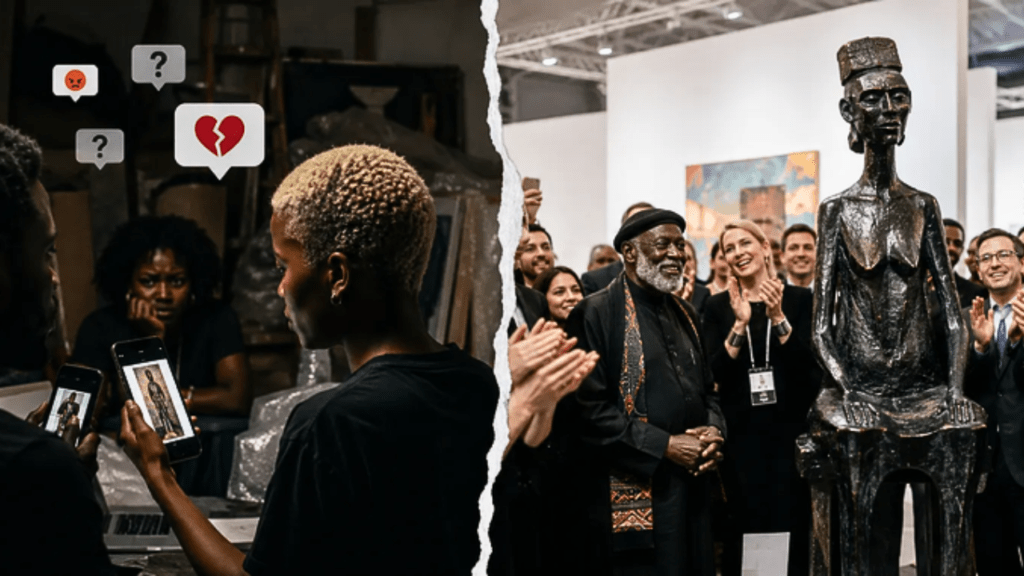
An Artist Asked Instagram to Find Her Missing Painting
On July 2nd, South African artist Kate Gottgens posted an image of her 2011 painting, Audible Doom, with a caption that directly challenged her representatives: “Has anyone seen this painting?”
The work had been shown by SMAC Gallery, one of Cape Town’s most prominent dealers, at the Miart fair in Milan in 2022. It wasnt sold and it was not returned. Gottgens says her four years of private requests produced neither the painting nor payment, but her public post helped her and did what her 4 years requests could not do. By July 8th, a Milan logistics company confirmed it was holding three of her works but Audible Doom that was originally part of that group is still unaccounted for.
She is not the only one in this situation. ARTnews spoke to several artists and former staff who described similar experiences, and the gallery’s roster has shrunk from 28 artists to 14 since 2011. SMAC says most outstanding issues have been resolved and accuses departing artists of spreading false narratives.
Whatever the outcome, the lesson for collectors is plain. A gallery controls access to fairs and buyers, and an artist without legal resources has little recourse when a work disappears into that system. If you own art, ask where each piece has been. A proper provenance record is not paperwork for its own sake. It is the difference between knowing and guessing.
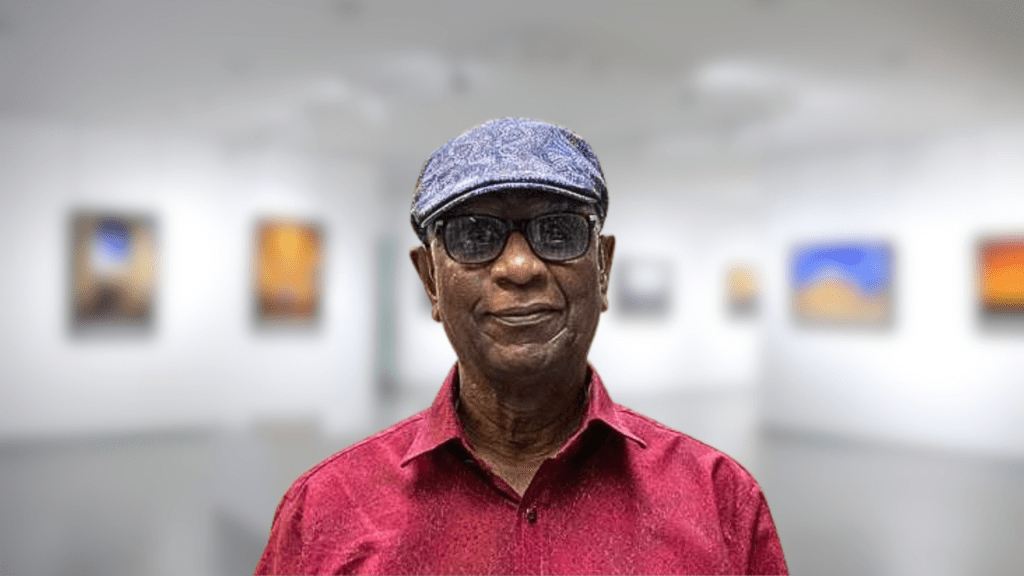
El Anatsui outsold everyone at Frieze New York
That same week, El Anatsui had the most commercially successful morning of any artist at Frieze New York. White Cube sold two of his works for a combined $4.1 million: LuwVor I (2025) for $2.2 million, the highest publicly reported single sale of the fair, and MivEvi III (2025) for $1.9 million. That made White Cube the top-selling gallery of the week, ahead of booths carrying Baselitz and Turrell.
African artists still account for less than 2 per cent of global fine art auction sales though Nigeria can outsell the European postwar canon in a single morning, the market as a whole still barely registers the continent. For a collector, that gap is the opportunity. Prices at the top are proving what the rest of the market has not yet priced in.
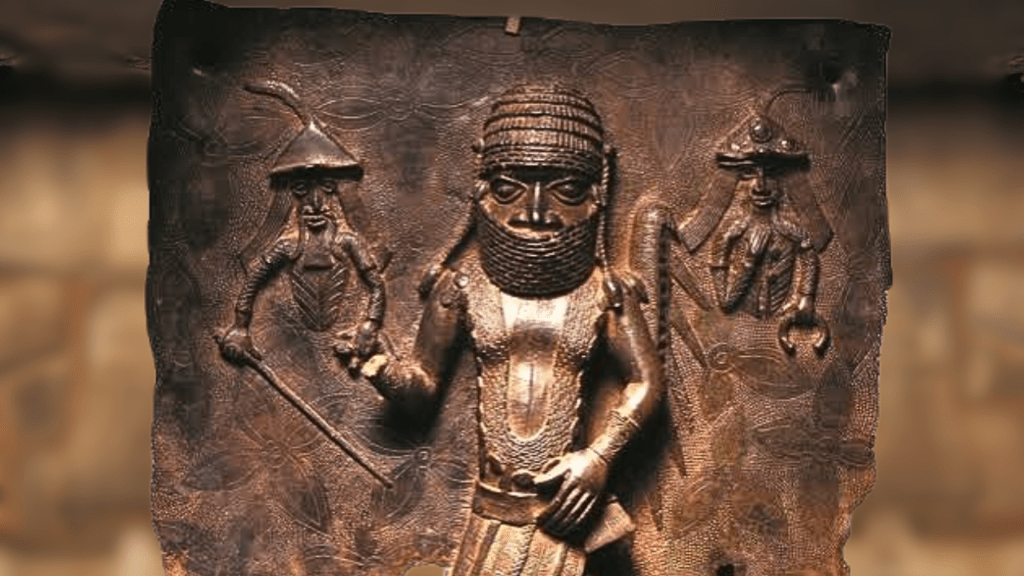
Benin Bronze Culture is Threatened
Everyone knows the restitution story of the Benin Bronzes. About how Netherlands returned 119 Benin artefacts in June 2025 and Cambridge transferring legal ownership of 116 Benin Bronzes. What almost nobody covers is the craft itself, which is why this story is the best thing you will read this month.
Igun Street is where the bronze-casting tradition has lived for centuries, passed down through families under a guild whose oath of secrecy once made teaching outsiders a taboo. Al Jazeera counted fewer than 40 active art stores on the street of Igun and barely two dozen foundries though many have been idle for weeks. A kilogramme of brass that once costs 500 naira five years ago now costs close to 8,000. One caster, Agbonmwenre Alex, is the only one of his father’s seven sons still in the trade, and neither of his own sons are interested in it. “They see this work as outdated, archaic, and dying,” he said.
The younger generation that has stayed is the profession are adapting to the market. They now sell through TikTok, WhatsApp and online galleries, reaching buyers before now their fathers had to hawk city by city. One of the craft man Al Jazeera met said he inherited his family shop with a single instruction from his emigrating father: “If it dies, it’s on you.”
So while museums in Europe debates that which institution should hold the returned bronzes, the living tradition that produced them is struggling for apprentices and affordable brass. Restitution returns objects but it does not by itself sustain the cultures that made them.
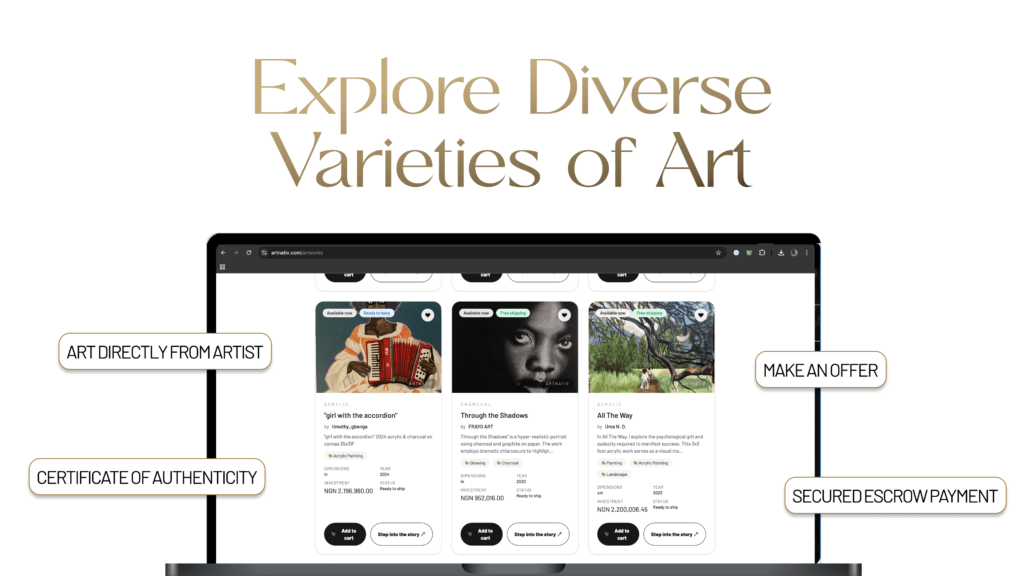
2026 Art Market Report
The report arrived in mid-July and they are dramatic. Auction sales at Christie’s, Sotheby’s and Phillips reached about $6.8 billion in the first half of 2026, which is 70 percent above last year and the best first half since 2022, according to ArtTactic. London art market surge was rapid and was up to 131 percent about $1.42 billion and sell-through rates hits 91 percent.
The recovery was driven by big single-owner estates: Newhouse at Christie’s, the Mnuchin and Lewis collections at Sotheby’s. “It’s just the estates,” the adviser Meredith Darrow told ARTnews, arguing that the weak years of 2023 to 2025 reflected a shortage of great collections coming to market rather than a shortage of demand. Emerging contemporary art, the segment where living artists actually earn, has not bounced back the same way. In other words, this is a boom in dead artists’ markets. If you want your money to reach a working artist, the auction room is the wrong door.
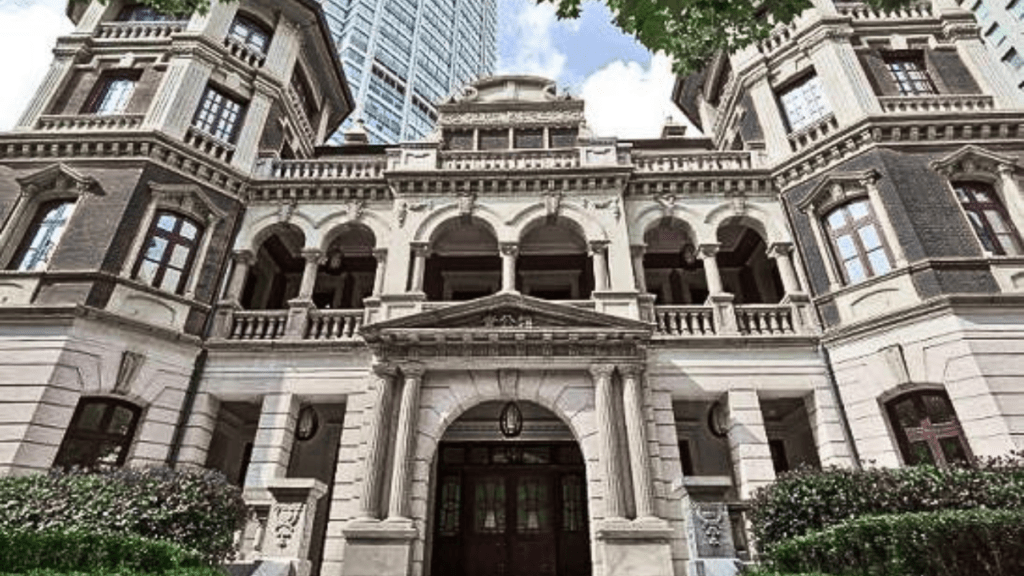
A collector spent $74 million on fakes
The month’s most alarming story got almost no attention in Western media. Two former managers of Shanghai Jiahe Auction Co. were sentenced on 15 July to 14 and a half years and 12 years in prison for a fraud that led one collector to spend roughly RMB 500 million (about $74 million) on more than 40 counterfeit or wildly overpriced artefacts.
The details are worth sitting with. The pair spent years cultivating the collector and deliberately isolating him from other people in the collecting community, cutting off his access to outside opinions. They planted bidders to drive prices up. He paid $247,000 for a vase sold as Qianlong-era Qing dynasty; experts later valued it at $37. In a related case, another collector consigned a painting for sale and through planted bidders, unknowingly bought back his own artwork for $1 million.
The method matters more than the story. This was not a forgery problem, It was an isolation problem. The scheme worked because one buyer trusted one source and nobody else. Independent authentication and a second opinion are not luxuries.
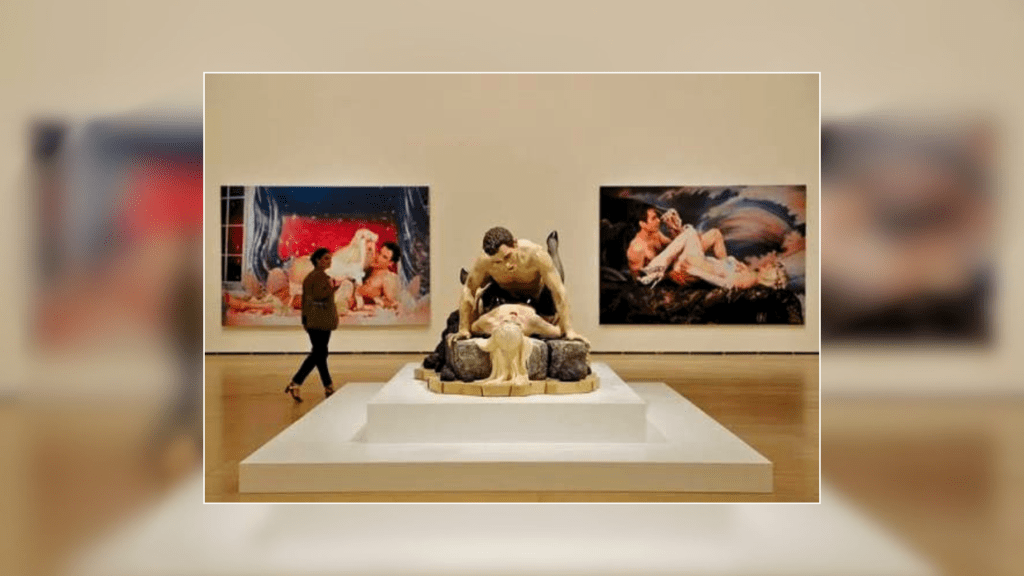
A Famous Artist Copyright Saga Is Over
On July 21st, a US appeals court ended Michael Hayden’s copyright case against Jeff Koons. In 1988, Hayden built a serpent-and-boulder stage prop and sold it for about $900 in cash. No contract or discussion of copyright. The sculpture then appeared in Koons’s Made in Heaven series, work Hayden himself said helped launch Koons “into the art world’s stratosphere.” Hayden said he only discovered this in 2019 and sued in 2021.
The court never decided whether Koons copied him. It ruled that Hayden waited too long, because a reasonably diligent copyright holder would have noticed earlier. For artists, the moral is brutal and useful: the $900 handshake deal is the most expensive contract you will never sign. Put usage rights in writing, every time.
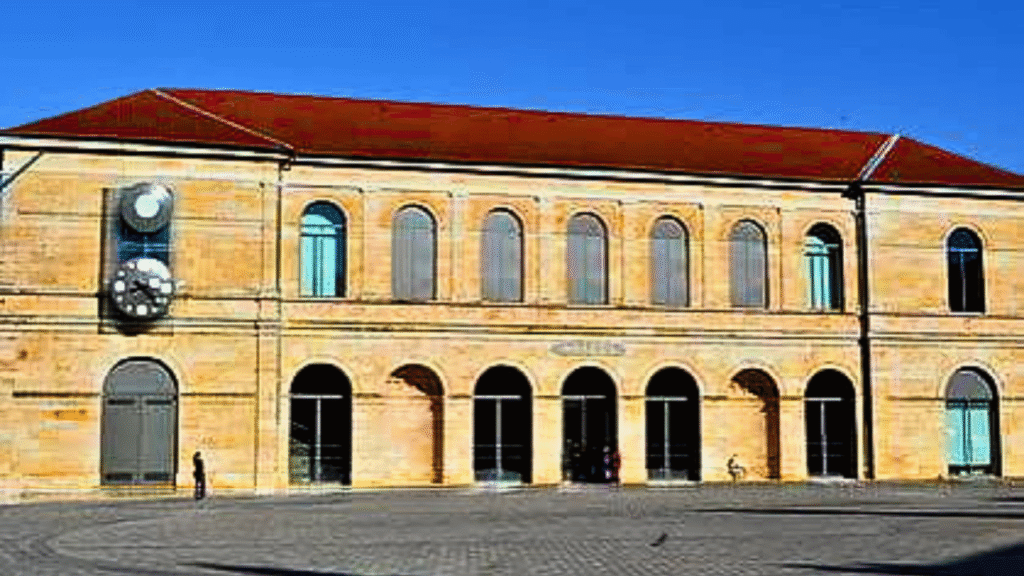
French Museum Inherits Seized Marc Chagall Paintings
In 2005, French customs officers stopped a truckload of art at the Swiss border and found two works that were not authorised to leave the country. The couriers were fined. The art went into a customs warehouse in eastern France and was forgotten for two decades.
This month one of those works, Marc Chagall’s 1924 etching L’Acrobate au Violon, was formally donated to the Museum of Fine Arts and Archaeology of Besançon. It is the first Chagall the museum has ever owned, and it goes on view in September. It is a small work from an edition of 150, not a million-dollar canvas. It is also a reminder that export law has teeth, and that art which crosses borders without the right papers can vanish into bureaucracy for a generation.

More Stories
Tate named Jessica Morgan (head of New York’s Dia Art Foundation), as its next director; she starts in January 2027 and is reportedly taking a large compensation to do it. The Glasgow School of Art said that fully restoring its fire-ruined Mackintosh building would cost £265 million, four times more than the previous estimates and more than it can afford alone. In Canada, the McMichael Canadian Art Collection, the country’s largest museum of Canadian and Indigenous art, closed on 26 July for a $150 million redevelopment that extends to 2029.
ArtNativ News runs monthly. Every artwork sold on ArtNativ comes with a certificate of authenticity and a full provenance record, because after a month like this one, you can see why that matters.