
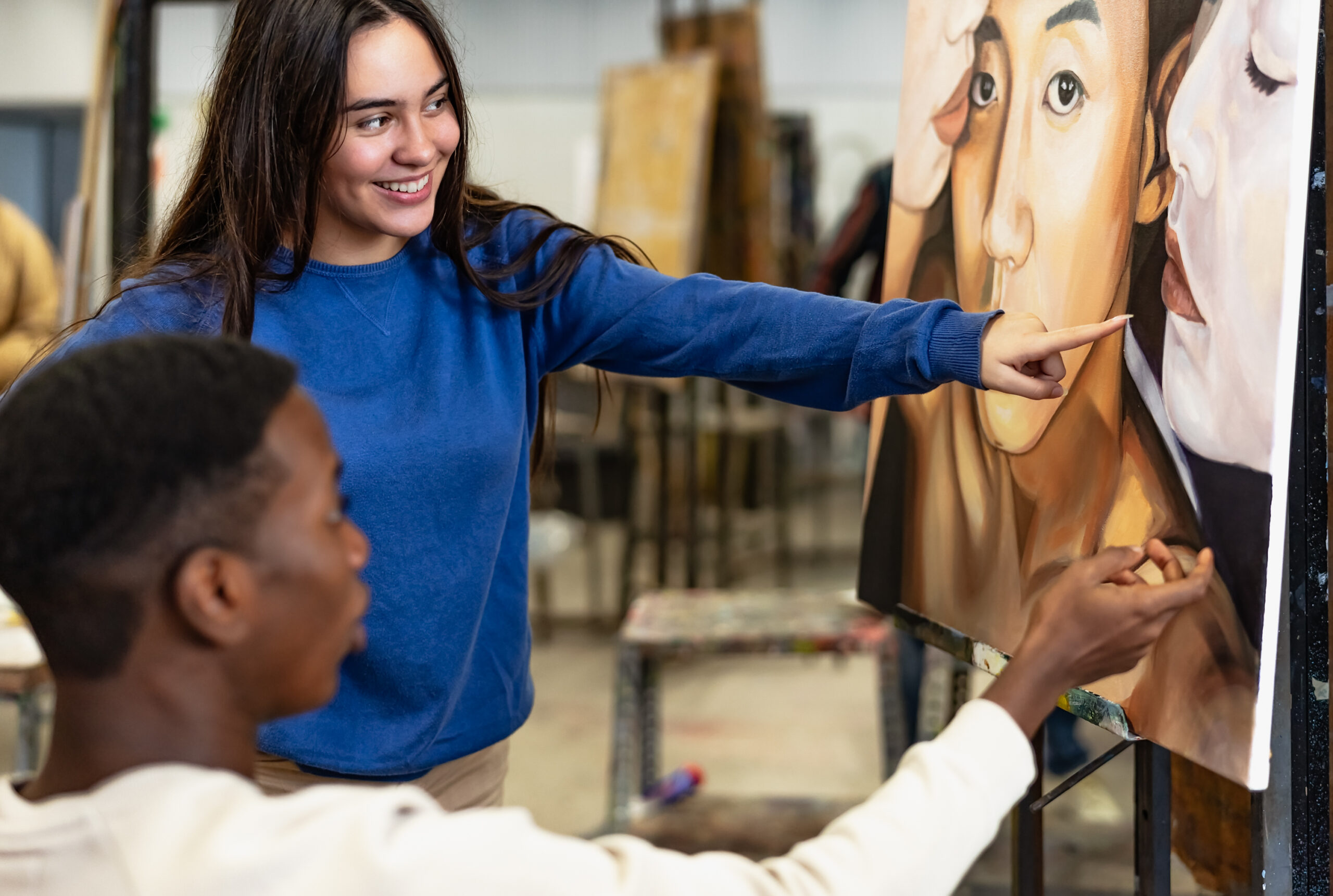
You can buy original art online safely after you read this guide.
Buying art online fixed a major art problem and created another. Yes you can now buy original art directly from artists anywhere in the world at prices they choose rather than the outrageous prices of art storefront. One thing is you get to lose the physical checks a gallery visit gives you that is: you cannot check the canvas edge, you cannot turn the frame over and all.
This guide replaces those checks with better ones. Every step below is something you can verify online before paying for an artwork.
The Four Types of Art Sold Online
Firstly let’s look at the various types of art we can buy online.
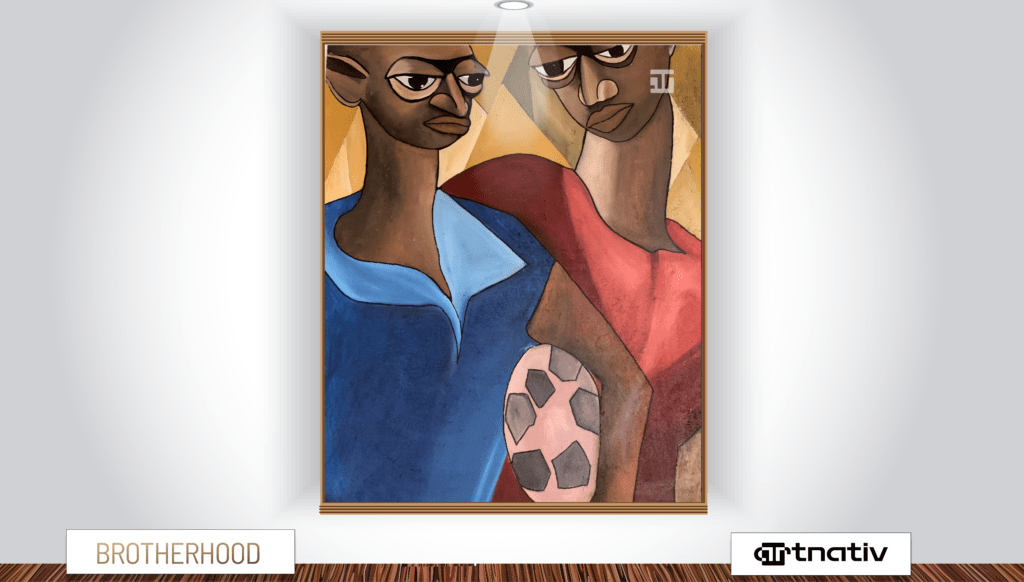
An Original Artwork
An original artwork is a unique one-of-a-kind piece of artwork, whether it is an oil painting, a watercolor, or a hand-sculpted object and they do not have duplicates. This is also the category that is mostly faked: prints and posters listed with the word “original” buried in vague phrasing like “original design” or “canvas art,” priced at £400–£600 whereas the print only costs £20 to produce.
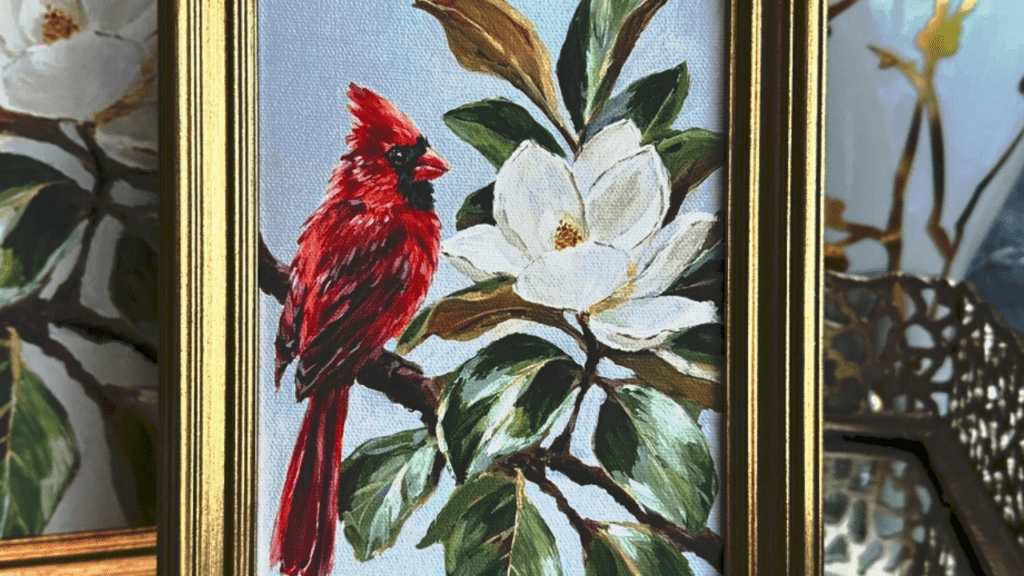
Hand-Embellished Prints
A hand-embellished print is a high-quality print of an artist’s work, the artist adds paint, ink, gold leaf, or textured gels to a high quality print. No two piece in this series are exactly alike and it costs roughly 15–30% of the original’s artwork price, though it is a legitimate and budget-friendly way to own the artist’s work. The problem starts when the embellishment becomes an excuse to use the word “original” just because it has a few brushstrokes. The correct labels are “hand-embellished limited edition” or “hand-finished print,” and nothing else.
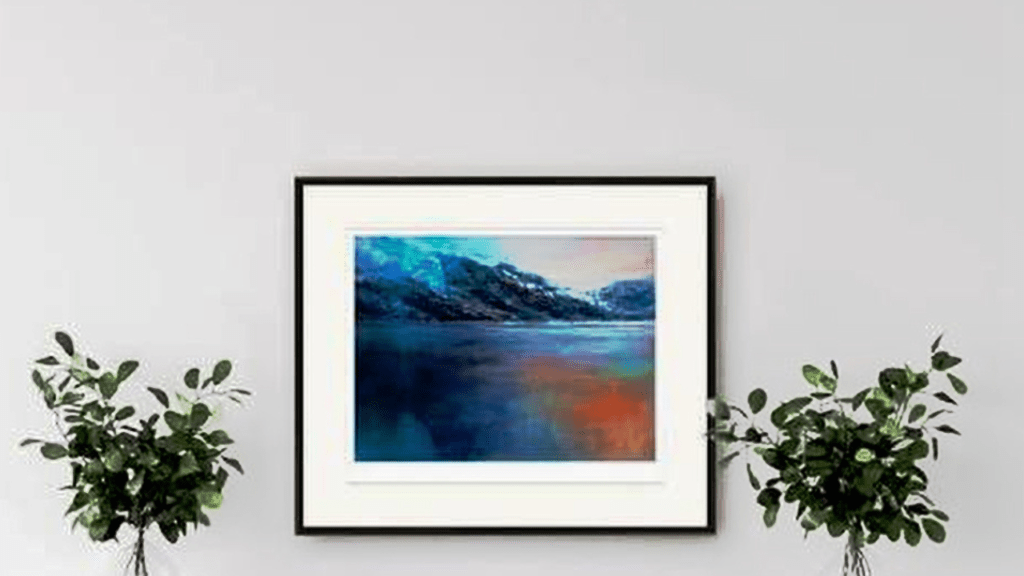
Limited Edition Giclée Prints
Giclée (pronounced zhee-clay) is high-resolution pigment printing on archival paper or canvas that resists fading up to 100+ years. But the printing is not what makes it collectible, the cap is. The artist limits the prints to a fixed number, then signs and numbers each print: 12/50 means twelve out of fifty prints. What you are watching out for is fake scarcity which could be unsigned prints described as “limited,” editions with no stated run size, or caps so large as 500 or 1,000 that scarcity means nothing. In those cases you are paying collector prices for what is known an open edition.
Open Edition Reproductions
An open edition is a quality copy of an artwork, it can be printed as many times as orders arrive but it does not have cap, signature and numbering. It is the perfect low budget option for enjoying a piece from your favourite artist as home décor, and there is nothing unsafe about buying one. The only mistake you can make here is overpaying: open editions carry zero resale or investment value.
The Comparison Table
| Original Artwork | Hand-Embellished Print | Limited Edition Giclée | Open Edition Print | |
| Production limit | Exactly one | Can be up to 10–50 | Fixed cap, typically 25–250 | infinite |
| Typical price bracket | £200–£10,000+ (emerging to mid-career) | £80–£500 | £50–£400 | £15–£80 |
| Resale / investment value | Highest: tracks the artist’s career | Modest, edition-dependent | Possible on runs under 50 | None |
| How to spot it on screen | Raked-light photos show raised texture; signature is on the paint; back-of-canvas photo shows raw stretcher bars | Texture only on highlights; flat printed image visible beneath brushwork in macro shots | Pencil signature and edition number in the margin. | No signature, no edition number. |
That last row is your fastest screening tool. A listing offering the same image in four sizes is never an original. Originals exist in exactly one size, because they exist exactly once.
The Online Art Market
Where you buy art determines the protections, the prices, and who actually enjoys the payment. These are the four model you should know:
1. Online Art Galleries (Saatchi Art, Artfinder)
A platforms hosting tens of thousands of vetted artists. This involves an in-house curators that screens portfolios before listing them, the platform processes the payment and standardised return windows across every purchase.
Strength: If a piece arrives damaged, you deal with a corporation with a published complaints procedure, not an individual.
Weakness: Curation at that volume is shallow. Vetting confirms the artist is real and competent but not that the work is significant. Commission rates of 35–40% still sit between the artist and your money.
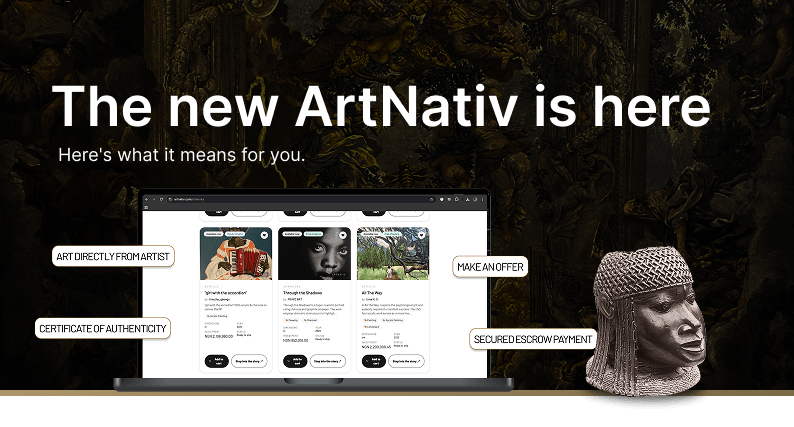
2. Artist-to-Collectors Direct Platforms (ArtNativ, artist-run websites)
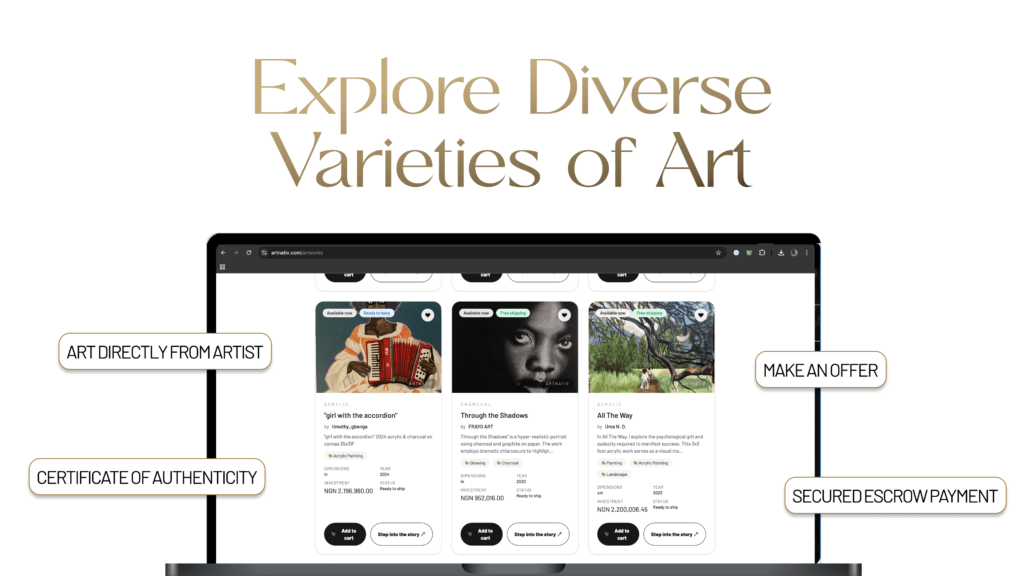
This model remove the intermediary layer out entirely. The platform verifies the artists, handles secure payment and documentation and connects the collector directly to the artist. No gallery markup is added into the price, so the artist keeps the substantial amount of every sale and the collector pays for the artwork, not for the overhead.
Strength: The fairest price for both the collector and the artist, plus direct access to the artist who made the work.
Weakness: Protections can vary across platform. A serious Direct To Collector platform must independently verify its artists and issue proper documentation.
3. Online Art Conglomerate(Artsy)
These platforms do not sell art directly. They aggregate works from physical galleries and auction houses worldwide. When you enquire about a piece on Artsy, you are opening a negotiation with a gallery across London or New York.
Strength: Access to blue-chip and museum-track artists, with gallery-grade provenance behind every listing.
Weakness:You inherit the traditional gallery cost structure. Which brings us to the industry’s least-discussed problem.
The BIG Problem
The standard commission at a traditional gallery is 50% of the sale price. Sell a painting for £2,000 via a gallery and the artist recieves £1,000 before removing expenses such as material costs, studio rent, and framing. Some galleries also charge artists hanging fees and catalogue fees.
Before now galleries earn that commission when they genuinely build an artist careers: museum placement, art fair representation and press promotions. But most galleries do not do these things for most artists and the 50% commission persists anyway because artists historically had no alternative sales channel.
4. Open Online Artisian Platforms (Etsy, Fine Art America)
Zero curation depth. Anyone with an email address can list anything and call it anything.
Strength: Genuine bargains exist here: student work, regional artists and affordable commissions.
Weakness: This is where the drop-shippers live. Stolen artwork photos, mass-produced posters listed as “original paintings,” and AI-generated images sold as hand-painted canvases are documented as the recurring problems on open platforms.
The Collector’s Checklist
Run this audit on every art purchase over £100. It eliminates every scam pattern in the online art market.
Step 1: Request For a Certificate of Authenticity:
A Certificate of Authenticity (COA) is the legal identity document of an artwork. Without this, the resale value would not appreciate but fall sharply and insurance claims will get complicated.
A genuine COA must contain all seven of the following:
- The artist’s full legal name and wet-ink signature (or official estate stamp for deceased artists)
- The exact title of the work
- Year of creation
- Precise dimensions, in centimetres and inches
- The full medium description: “heavy-body acrylic and oil pastel on gallery-wrapped cotton canvas,” not “mixed media”
- Edition information where relevant (edition number and total run size)
- An embedded high-resolution photograph of the exact artwork
If a COA is missing the photograph or the signature then it is not a certificate. A COA is not: a certificate printed by a third-party framing shop or a print company. The document must originate from the artist, or the verified platform representing them.
Step 2: Audit the Artwork Like an Appraiser
One image is not enough evidence. Before you buy, you should be able to see:
- Macro detail photos. Zoom to see the brushstrokes. On an original, paint has topography like ridges, pooling, layered edges. A print under raking light is perfectly flat.
- The back of the canvas. Ask for it if it is not shown. Original canvases reveal raw stretcher bars, staples, the canvas fold, and frequently a signature, date, and title. Scammers almost never fake the back, because their source photo was stolen from a real artist and only shows the front.
- A scale reference. A 60 × 90 cm canvas looks monumental on a phone screen and modest above a real sofa. Ask for an in-situ photo or use the platform’s wall-preview tool before committing.
Step 3: Verify the Artist Story
Fake artist profiles fails under one specific test: artwork process evidence over time.
- Check the artist’s Instagram or TikTok from six to twelve months ago. A real artist’s feed shows works in progress, half-finished canvases and studio works. A fraudulent account shows only finished pieces, often in inconsistent styles.
- Run a reverse image search (Google Lens) on the artwork photo. If an identical image appears on another artist’s profile under a different name, walk away and report the listing.
- Check for an artist CV or biography listing exhibitions, residencies, or press release.
- Cross-check reviews outside the seller’s website: Trustpilot, Google Business reviews, or tagged customer posts on social media.
Step 4: Check the Shipping and Return Back Policy
Fine art shipping has industry standards that must be carefully met.
- Packing: Unstretched canvases ship are rolled in rigid tubes with acid-free interleaving. Stretched canvases under roughly one metre are shipped in double-walled corrugated boxes with corner protectors and at least 5 cm of internal cushioning on every face. Large, framed, or glass-fronted works are shipped in custom wooden crates. If a seller cannot tell you which method they use then you should run.
- Insurance: The shipment must be insured for the full price in writing, with the seller bearing the risk until delivery is confirmed.
- The golden window: A legitimate platform offers a 7-to-14-day return period after delivery which is enough time to see the work properly, before the sale becomes final. Some platforms go further by keeping your payment in escrow, releasing funds to the seller only after the courier confirms safe delivery.
Rules For Hanging an Artwork (Everything you need to know)
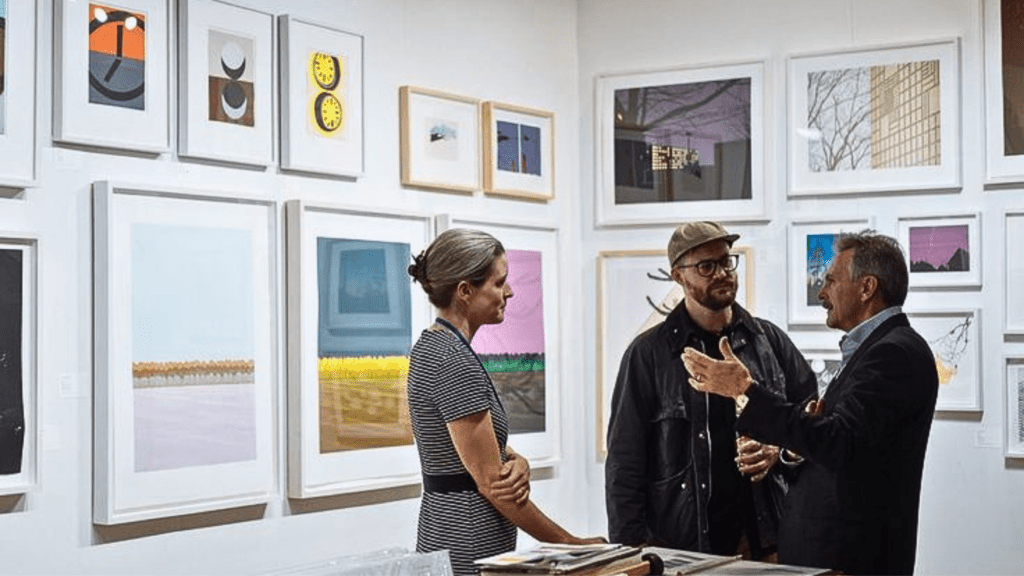
You vetted it then you bought it and now it has arrived. Hanging it wrongly can still ruin it both visually and physically. The good news is hanging art is arithmetic and not by taste.
The 57–60 Inch Rule
Museums worldwide hangs work so the vertical centre of the artwork sits 57 to 60 inches (145–152 cm) from the floor: average human eye level. To apply it:
Nail height = 57″ + (canvas height ÷ 2) − distance from top of canvas to hanging wire
Example: a 36-inch-tall canvas with the wire sitting 4 inches below the top edge. 57 + 18 − 4 = 71 inches from the floor to your nail. Measure, mark, done.
The Furniture Ratio
Art hung above furniture should span two-thirds to three-quarters of the furniture’s width.
|◄────────── 84″ sofa ──────────►|
|◄──── 56″–63″ art ────►|
┌──────────────────────────┐
│ ARTWORK │
└──────────────────────────┘
▲
6–8 inch gap
▼
┌──────────────────────────────────┐
│ SOFA │
└──────────────────────────────────┘
For a standard 84-inch three-seater, that means artwork (or a grouped gallery wall) measuring 56 to 63 inches across, with the bottom edge hanging 6 to 8 inches above the sofa back. Above a console table, the same gap applies. Anything smaller floats adrift on the wall; anything wider overwhelms the furniture beneath it.
How to Protect Art From Environmental Damage
- UV exposure. Direct sunlight fades pigments like watercolours and works on paper fastest, but oils and acrylics fades too but it takes years. Works on paper facing bright windows will need a museum-grade UV-filtering glass, which blocks up to 99% of ultraviolet light. Or simply hang them on a wall the sun never hits directly.
- Thermal shock. Never hang art above a fireplace, radiator, or stovetop. Repeated heating and cooling cycles expand and contract the wooden stretcher bars and also cracks paint layers over time. Cooking also deposits an airborne grease film that is extremely difficult to remove from painted surfaces.
- Humidity. Full bathrooms are no go areas for original work. Humidity swings warp stretchers, ripple paper, and lift paint. Ideal conditions for original art are 40–55% relative humidity at stable room temperature, which is most living rooms, bedrooms, and hallways temperature.
FAQ
Is buying art online safe?
Yes. But it is safe when you buy through a platform with encrypted checkout, full shipping insurance, verified artist documentation, and a 7-to-14-day return window, ideally with escrow-style payment release on confirmed delivery like ArtNativ. It is unsafe on uncurated open marketplaces.
How much should a beginner spend on original art?
Normally £150 to £650 ($200–$800) buys an original work from talented emerging artists on reputable platforms. You do not need four figures to own original art. Spend at the level where a total loss would annoy you but not hurt you, and upgrade as your taste develops. Your first three purchases teach you more than any guide can. Original art in this range also makes an unforgettable gift — for birthdays, weddings, or graduations [INTERNAL LINK: anchor “unforgettable gift” → artnativ.com/celebrate].
How do I verify if an online artist is real?
Use this four checks (1) Check their social feed for process videos and works in progress; (2) reverse-image-search the artwork for stolen photos; (3) verify one line of their CV — an exhibition or prize — via independent search; (4) find reviews on Trustpilot or Google, off the seller’s own site. A real artist passes all four effortlessly. A fake profile fails the first one immediately.
What size painting goes over a living room couch or sofa?
Two-thirds to three-quarters of the sofa’s width, hung 6–8 inches above the sofa back. For an 84-inch sofa: 56–63 inches of artwork width, as a single canvas or a grouped arrangement. Centre the composition at 57–60 inches from the floor if the wall allows it.
Where This Leaves You
Every risk in this guide traces back to one cause which is the gap between the collector and the truth about the artwork. Middlemen profit from this while scammers depends on it.
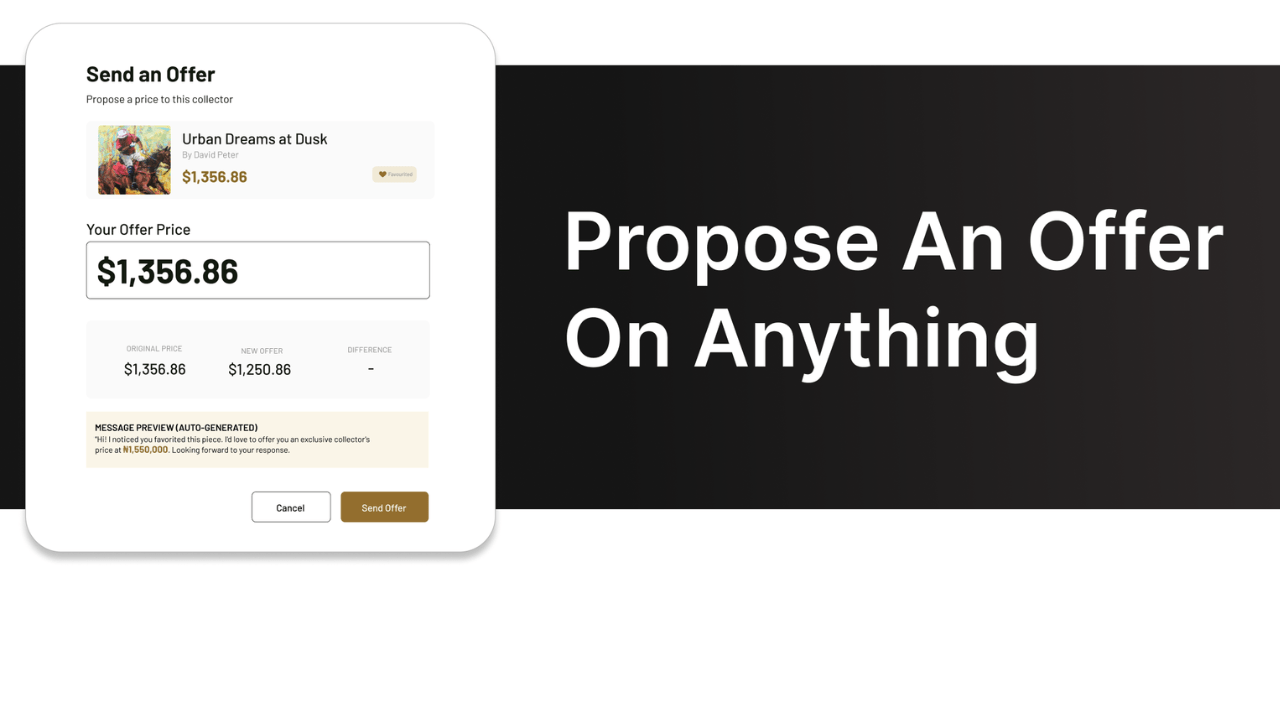
ArtNativ was built to close the gap. Every artist on the platform is verified before a single work is listed. Every original artwork is shipped with a Certificate of Authenticity and a Provenance Record [INTERNAL LINK: anchor “Certificate of Authenticity and a Provenance Record” → ArtNativ authentication/how-it-works page] — the seven-point documentation described in Section 3 is issued as standard, not on request. Payments run through secure checkout, artworks are shipped under insurance and because no gallery layer takes half the sale, the artist is paid fairly and the collector pays for the art itself.
You now know exactly what to check.
Explore ArtNativ’s verified Originals and buy your first piece with the confidence this guide was written to give you.