
Everything You Could Ever Want to Know
Artnativ News
- London auctions hit £328M.
- Nigeria signs Africa’s biggest trade fair deal.
- South Africa’s Venice pavilion stands empty.
Here’s what March 2026 means for the art world.
London Art Auctions March 2026: Sotheby’s & Christie’s Spring Sales
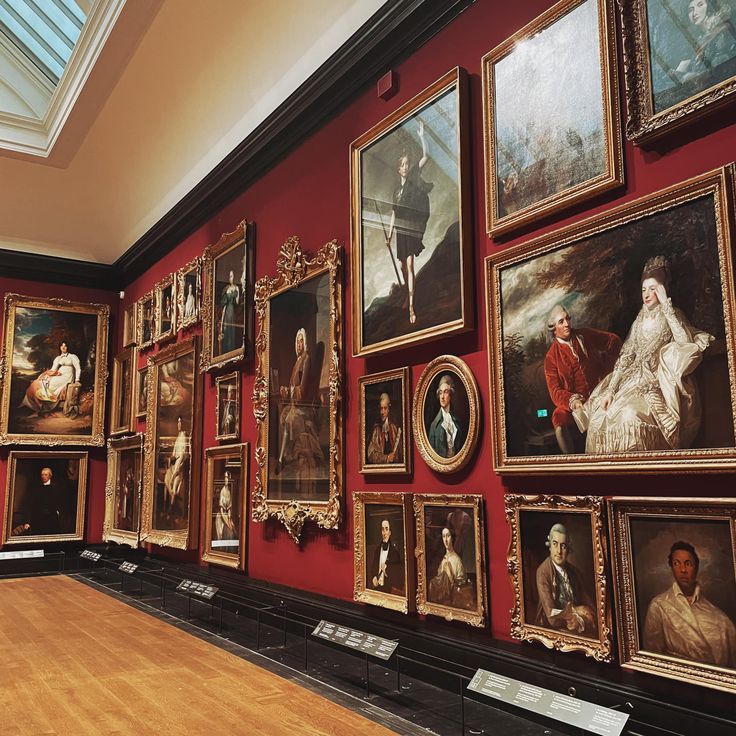
Two of the world’s biggest auction houses, Sotheby’s and Christie’s, held their spring sales in London back to back. Together, they sold over £328 million (about $440 million) of art in two evenings. To put that in perspective: London’s art market had been struggling for the past two years. This month, it came back to life.
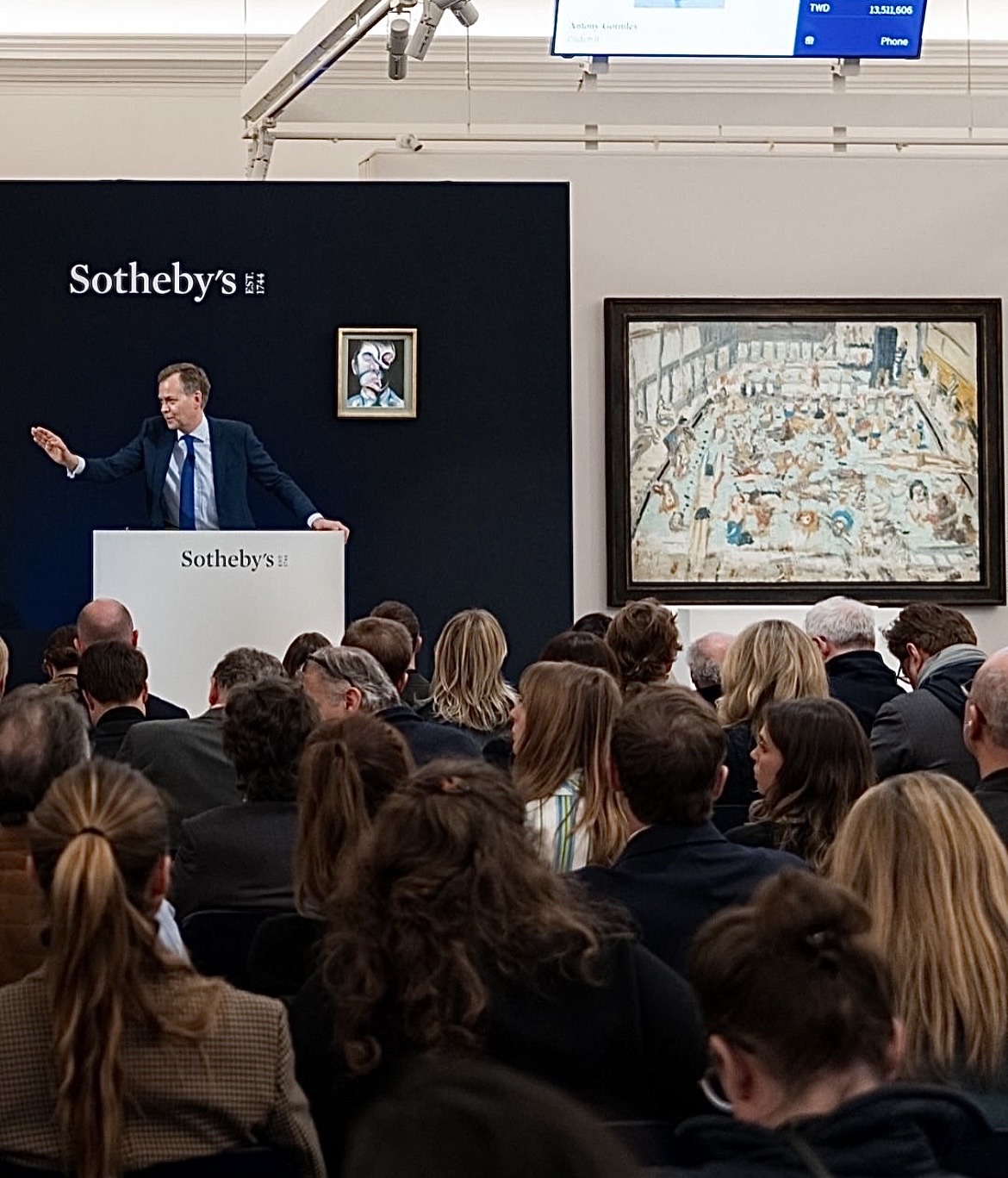
At Sotheby’s (March 4): every single one of the 54 artworks on offer found a buyer, a rare achievement called a “white glove” sale. The room was packed with over 300 people. The top seller was a Francis Bacon self-portrait at £16 million. The total: £131 million ($175 million), more than double last year.
One standout detail: a shimmering wall hanging made from recycled bottle caps by El Anatsui—a Ghanaian-born, Nigeria-based artist was included in the main sale, not in a separate “African art” section. He’s one of the most important living African artists, and his presence in the flagship auction is a quiet signal of where the market is heading.
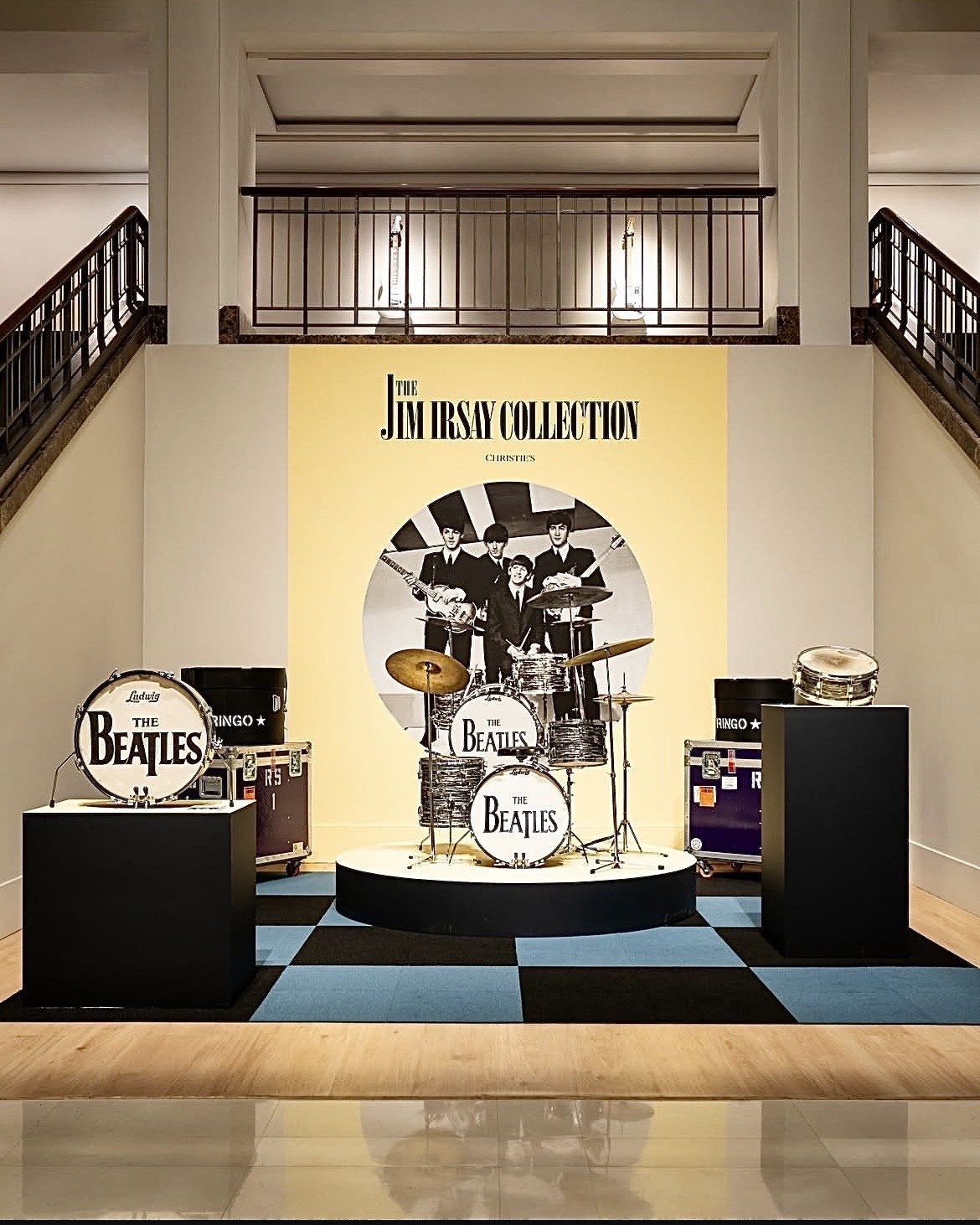
At Christie’s (March 5): three sales ran back to back for nearly four hours, totalling £197.5 million ($265 million). The star was a bronze sculpture by Henry Moore called King and Queen, two seated figures, about five feet tall. Six bidders fought over it for eight minutes. It sold for £26.3 million, smashing the artist’s record. It’s the last version of this sculpture still in private hands; the others are in museums.
Two women artists also broke records that night. Dorothea Tanning’s unsettling 1942 painting of two girls tearing wallpaper to reveal flesh underneath sold for £4.6 million—an 83% jump over her previous record. Czech artist Toyen, who chose a genderless name and rarely appears at auction, sold a 1946 work for £3.7 million. Both were part of Christie’s Surrealist sale, which sold 100% of its lots.
The takeaway: Collectors are spending again, but they’re being selective. The works that generated real excitement were rare, had never been at auction before, and came with strong stories. Quality and history matter more than hype right now.
IATF 2027 Lagos: Nigeria to Host Africa’s Biggest Trade Fair
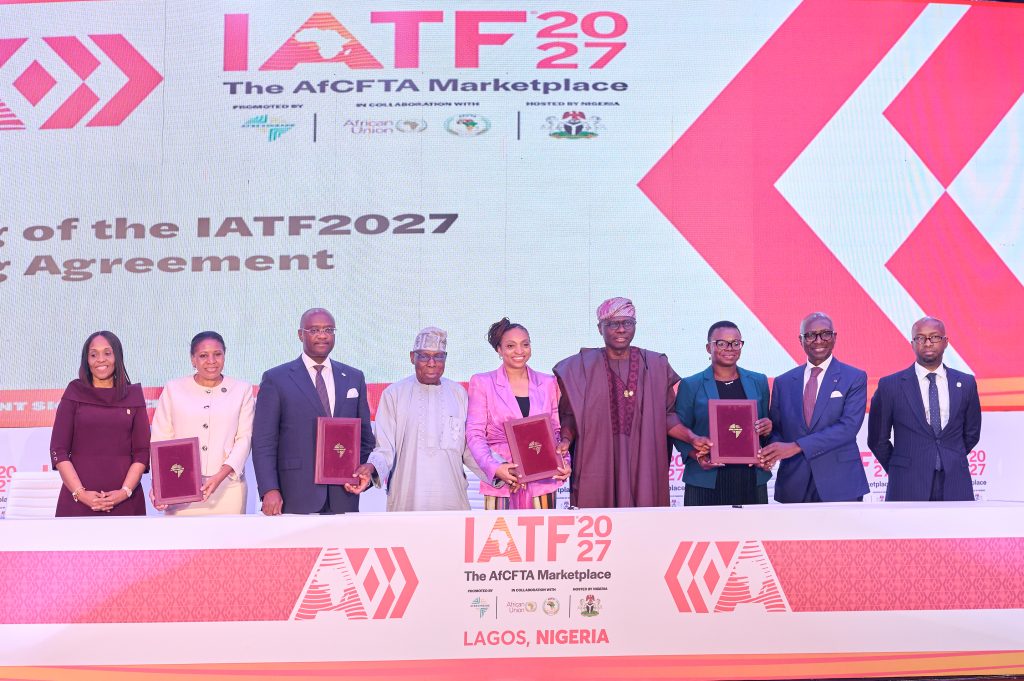
On March 9, something big was announced inLagos, Nigeria officially signed the hosting agreement for the Intra-African Trade Fair 2027 (IATF), making Lagos the host city for the biggest trade event on the continent.
The ceremony took place at the Wole Soyinka Centre for Culture and Creative Arts, and that venue choice wasn’t accidental. IATF 2027 is targeting $50 billion in trade deals, 100,000 visitors, and 2,500 exhibitors from over 100 countries. But this isn’t just about commodities and contracts. The programme includes the Creative Africa Nexus (CANEX), a dedicated platform for Africa’s creative industries, art, fashion, music, film, and design.
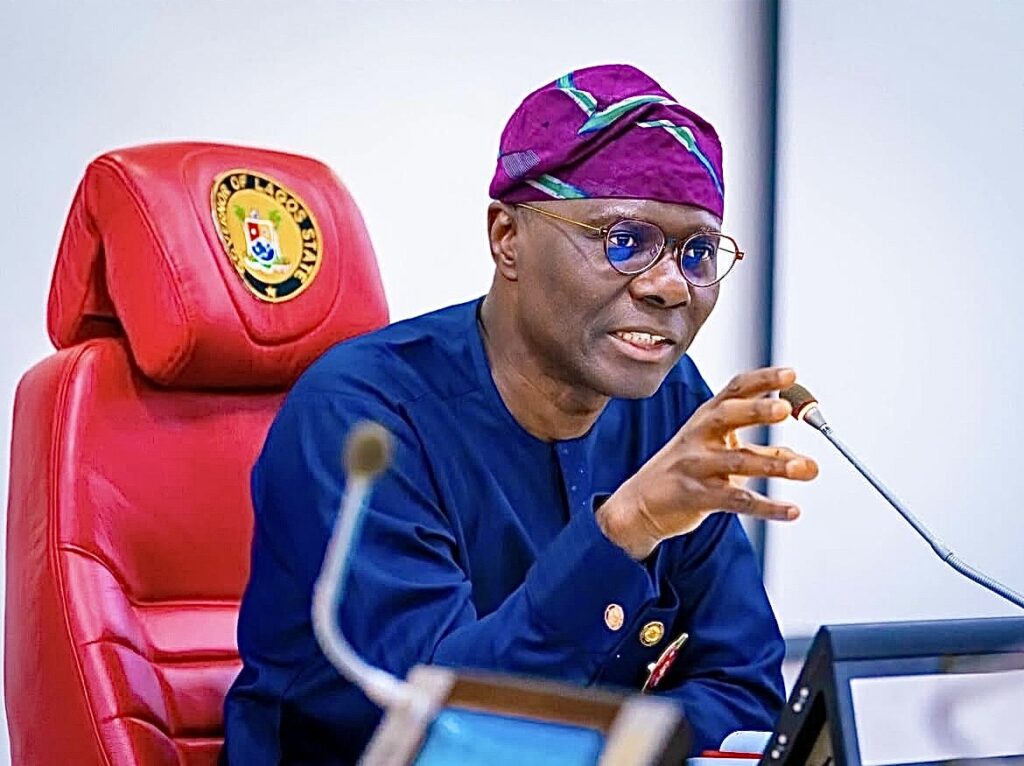
Nigeria estimates its creative economy at $25 billion and has set a target of $100 billion by 2030. Lagos Governor Babajide Sanwo-Olu promised that theCANEX Weekend event coming to Lagos later in 2026 will be “one of the biggest you’ve ever seen.”
What this signals: Governments and major financial institutions; Afreximbank, the African Union, the AfCFTA, are now treating the creative economy as serious infrastructure, not a side project. When Africa’s biggest trade platform builds a dedicated space for art and creative industries, it changes the conversation about what art is worth on this continent.
South Africa Venice Biennale 2026: Why the Pavilion Stands Empty
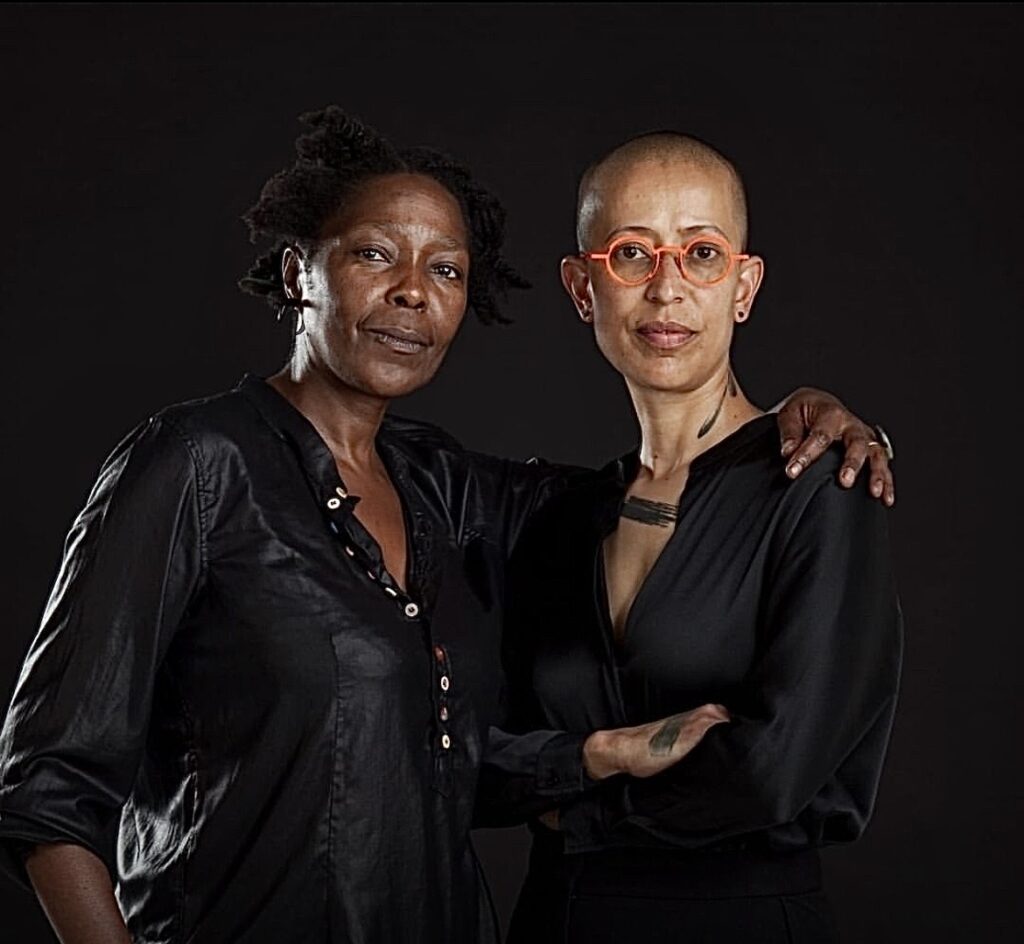
The Venice Biennale is the art world’s most prestigious international exhibition, think of it as the Olympics of contemporary art. Countries send their best artists to represent them in national pavilions. South Africa has participated in every edition since 2011. This year, their space will be empty.
Here’s what happened. In December, artist Gabrielle Goliath was unanimously selected by an independent committee to represent South Africa. Her project, Elegy, is a decade-long video and performance series honouring women, gay, and trans people killed by violence in South Africa. The Venice version would have also addressed the genocide of the Herero and Nama peoples in Namibia and the death of Palestinian poet Hiba Abu Nada in an Israeli airstrike.

South Africa’s culture minister, Gayton McKenzie, called the work “highly divisive” and pulled the project, just eight days before the Biennale’s submission deadline. Goliath took the case to court, arguing the minister had no authority to override an independent selection. The court dismissed her case without explanation. Days later, the ministry confirmed South Africa would not participate at all. The pavilion will stand empty.
Why this matters: This is a story about who gets to decide what art says on the world stage. The selection committee called the minister’s intervention “an abuse of executive authority.” Artists and curators across South Africa have said it sets a dangerous precedent for freedom of expression. The irony runs deep: South Africa’s government took Israel to the International Court of Justice over Gaza, yet its culture minister censored an artist for referencing the same conflict. An empty pavilion in Venice now speaks louder than anything that could have hung on its walls.
African Museums 2026: New Institutions Telling Their Own Stories
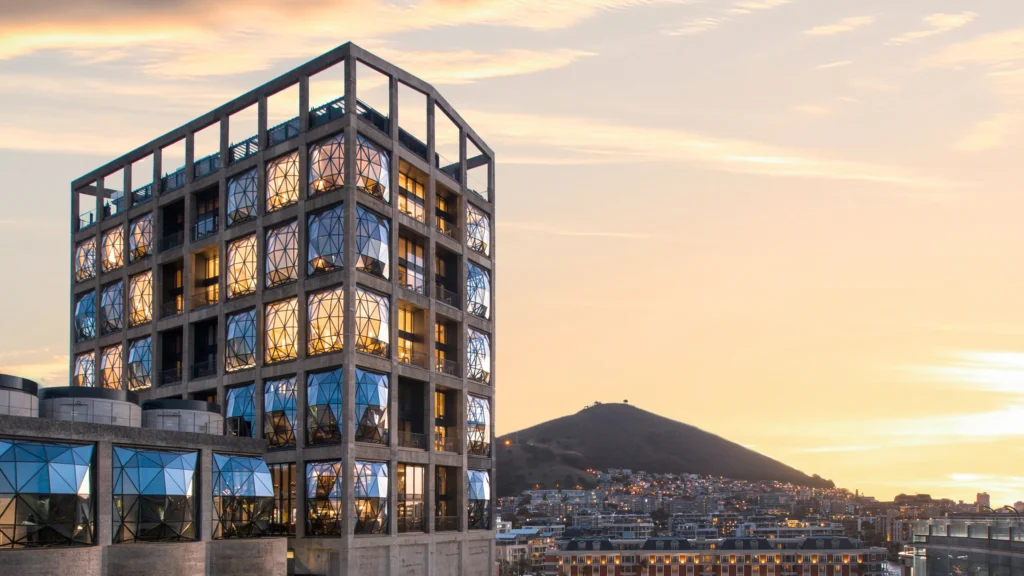
While the headlines focus on auctions and fairs, something quieter and arguably more important is happening. Museums and cultural institutions across Africa are expanding, opening new spaces, and critically taking control of how African art and history are presented to the world.
The Grand Egyptian Museum in Cairo is attracting record visitors. Zeitz MOCAA in Cape Town remains the continent’s flagship contemporary art museum. The Museum of Black Civilisations in Dakar holds space for tens of thousands of artworks. The Museum of West African Art (MOWAA) in Benin City, designed by David Adjaye, is being built specifically to house restituted Benin Bronzes artefacts taken during colonialism that are finally coming home. In Kigali, art galleries and cultural institutions are growing alongside Rwanda’s broader development story.
The shift: For decades, the world’s most important collections of African art sat in European and American museums. That’s changing. Restitution is accelerating. New institutions are being built by Africans, for African audiences, telling African stories on their own terms. This isn’t just about getting Art back, it’s about who controls the narrative.
Art Fairs March 2026: TEFAF, Affordable Art Fair NYC & Art Basel Hong Kong
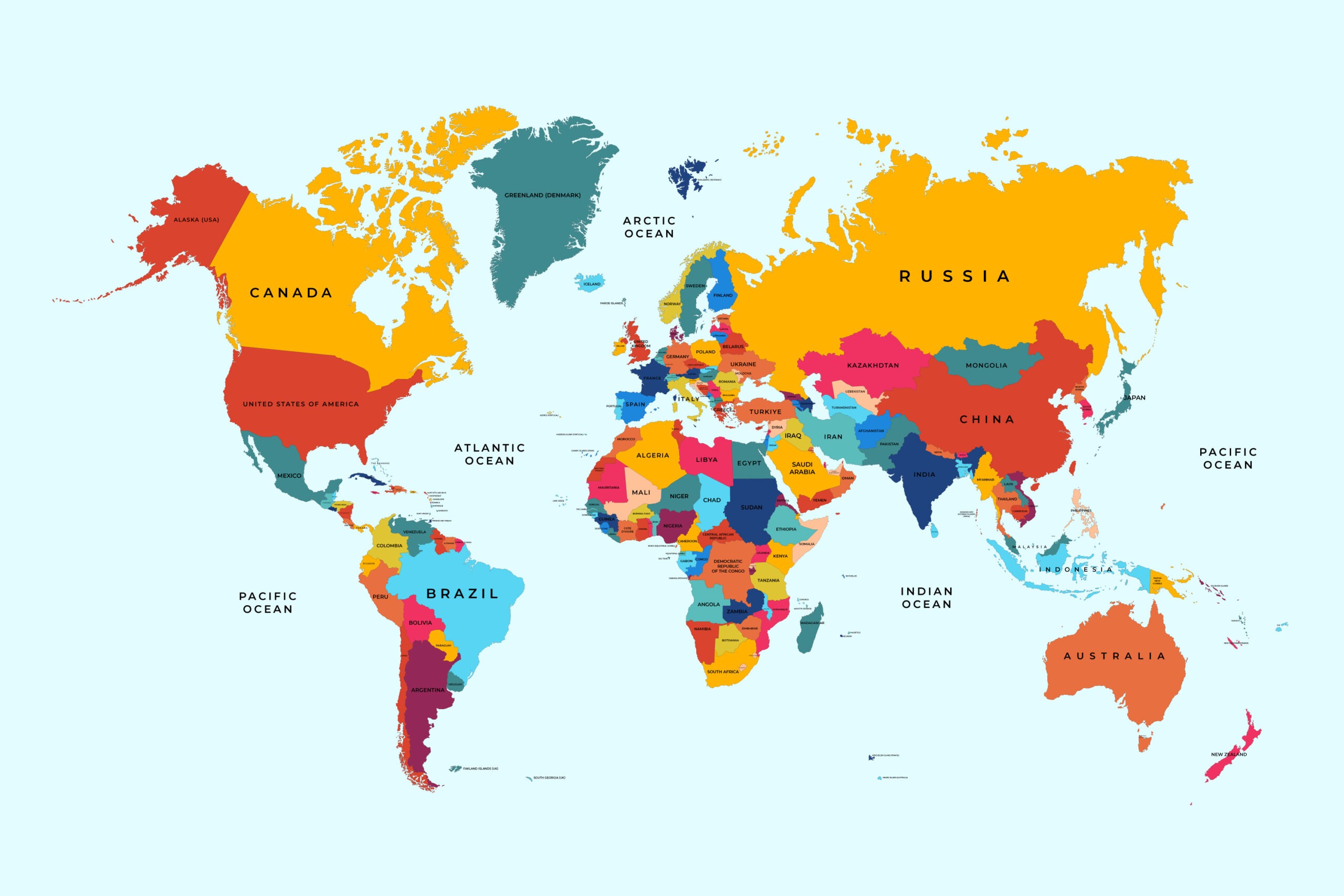
TEFAF Maastricht (March 14–19, Netherlands) — The world’s most prestigious art fair. 276 galleries, 24 countries, 7,000 years of art history under one roof. This year features Nigerian Modernist ceramics and Central African sculpture alongside Old Masters, proof that African art history is part of the global story, not a footnote.
Affordable Art Fair New York (March 18–22, Chelsea) — Prices are capped, the atmosphere is welcoming, and it’s built for people buying their first piece. A great entry point if you’re curious about collecting but don’t know where to start.
Art Basel Hong Kong (March 27–29) — Asia’s biggest art event and an increasingly important market for contemporary African artists. If you’re watching where demand for African art is growing, Asia is one of the territories to track.
Art Basel UBS Global Art Market Report 2026: Key Findings
On March 12, the Art Basel & UBS Global Art Market Report 2026 was published, the most comprehensive annual snapshot of the art market. Think of it as the art world’s annual report card.
Last year’s edition revealed that global art sales fell 12% in 2024 to $57.5 billion, but sales of lower-priced works stayed strong, and nearly half of all online art purchases were made by first-time collectors. New, younger buyers are entering the market and they’re buying online.
What to watch for: Growth in emerging markets (especially Africa and the Middle East), how online platforms are changing who gets to collect, and whether London’s strong auction results signal a broader recovery.
Whitney Biennial 2026: 56 Artists, One Mood
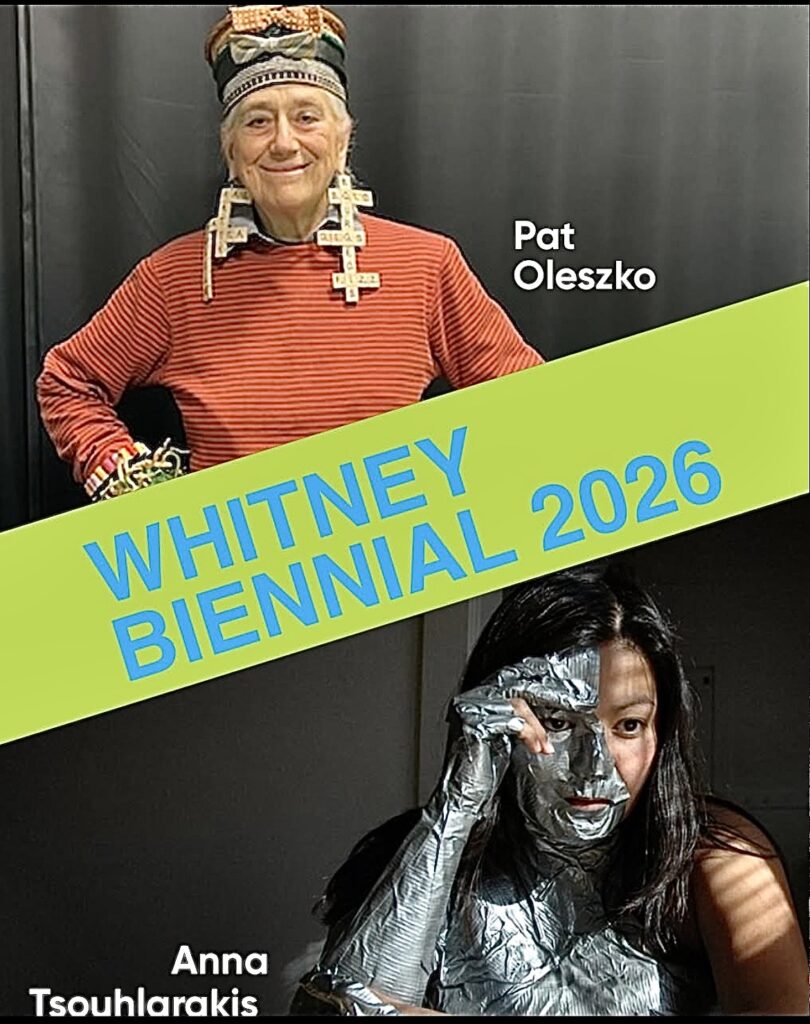
The Whitney Biennial is America’s longest-running survey of contemporary art happening since 1932. Every two years, curators pick artists whose work captures where American art and culture stand right now.This year’s edition opened March 8 with 56 artists. There’s no official theme, but there’s a mood: loss, connection, and the complicated relationship between humans and the world around them. One of the most discussed works is by Kelly Akashi, a ghostly glass sculpture modelled after the chimney that was the only thing left standing when the 2025 LA wildfires destroyed her home. It runs through August 2026.
Key Takeaways: What March 2026 Means for Art Collectors
One: The art market is recovering, but collectors are being careful. The works that sold best were rare, had great stories, and had never been sold before. Hype alone doesn’t move the needle anymore.
Two: African art is showing up everywhere, not as a side category, but as part of the main conversation. El Anatsui at Sotheby’s in London. Nigerian ceramics at TEFAF. New museums being built across the continent to house restituted works. A $50 billion trade fair with a dedicated creative economy platform. This isn’t a trend. It’s a long overdue correction.
Three: You don’t need millions to start collecting. From the Affordable Art Fair in New York to online platforms connecting collectors with artists directly the doors are wider open than they’ve ever been.
Four: Artistic freedom is never guaranteed. South Africa’s empty pavilion in Venice is a reminder that even in democracies, political power can silence art. Paying attention to these stories and supporting artists who tell difficult truths is part of what it means to be a collector.
Ready to Start Your Collection?

ArtNativ connects you with original work by contemporary African artists. Every piece comes with a Certificate of Authenticity and Provenance. Whether it’s a birthday, anniversary, graduation, or wedding—commission something with real meaning.
Browse original work: artnativ.com
Never miss a gifting moment: artnativ.com/celebrate