Introduction
So you’ve decided to start collecting African art congratulations! Whether you stumbled upon a vibrant piece that spoke to you, want to honor your heritage, or simply recognize the cultural and financial value of original art, you’re about to embark on a rewarding journey.
But where do you start? With thousands of artists, countless styles, and varying price points, choosing your first piece can feel overwhelming. That’s why we’ve created this guide to help you navigate your first purchase with confidence.
Why Start with African Art?
Before diving into the “how,” let’s talk about the “why.” African art isn’t just decoration—it’s a conversation starter, a cultural bridge, and an investment in creativity that spans centuries.
Contemporary African artists are redefining the global art market, blending traditional techniques with modern vision. From the bold abstracts of Lagos to the intricate textiles of Accra, African art offers:
- Cultural authenticity – Every piece tells a story rooted in heritage
- Unique perspectives – Art you won’t find mass-produced anywhere else
- Growing market value – African contemporary art is among the fastest-appreciating segments
- Direct impact – Your purchase supports artists and their communities
Now, let’s help you find your perfect first piece.
Step 1: Define Your “Why”
Before browsing, ask yourself: Why am I buying this art?
Are you:
- Decorating a specific space in your home or office?
- Looking for an investment piece that appreciates over time?
- Connecting with your cultural heritage?
- Starting a broader collection around a theme?
- Purchasing a meaningful gift?
Your answer will guide everything else—from style to budget to size. There’s no wrong answer, but clarity here prevents buyer’s remorse later.
Pro tip: If you’re drawn to multiple reasons, that’s perfect. The best art purchases satisfy both emotional and practical needs.

Step 2: Consider Your Space
Art doesn’t exist in a vacuum—it lives in your home, interacts with your furniture, and sets the mood of your space.
Ask yourself:
Where will it hang?
- Living room (statement pieces, conversation starters)
- Bedroom (calming, personal themes)
- Office (inspiring, professional)
- Dining room (vibrant, social)
- Entryway (welcoming, impressive)
What’s the wall size?
- Small wall (under 24″): Intimate pieces, perfect for galleries walls or tight spaces
- Medium wall (24″-48″): The sweet spot—substantial without overwhelming
- Large wall (48″+): Statement pieces that anchor a room
- Very large (60″+): Museum-quality works for dramatic impact
What’s your existing color palette?
- Neutral spaces: Go bold—vibrant art becomes the focal point
- Colorful rooms: Consider complementary or monochromatic pieces
- Mixed metals/woods: Look for art with warm tones (browns, golds, oranges)
- Modern minimalist: Abstract geometrics or high-contrast pieces work beautifully
Lighting matters:
- Natural light: Most art thrives, but avoid direct sun (fading risk)
- Warm artificial light: Enhances earthy tones and traditional pieces
- Cool LED light: Best for contemporary, high-contrast work
Step 3: Explore Styles That Speak to You
African art spans an incredible range of styles. Here’s a quick primer:
Traditional/Cultural
- Techniques passed down through generations (batik, bronze casting, wood carving)
- Cultural motifs and symbolism
- Often tells specific stories or represents spiritual concepts
- Best for: Collectors valuing heritage, cultural connection, and historical techniques
Contemporary Abstract
- Bold colors, geometric patterns, experimental forms
- Modern interpretations of African aesthetics
- Appeals to global contemporary art collectors
- Best for: Modern homes, bold statements, investment potential
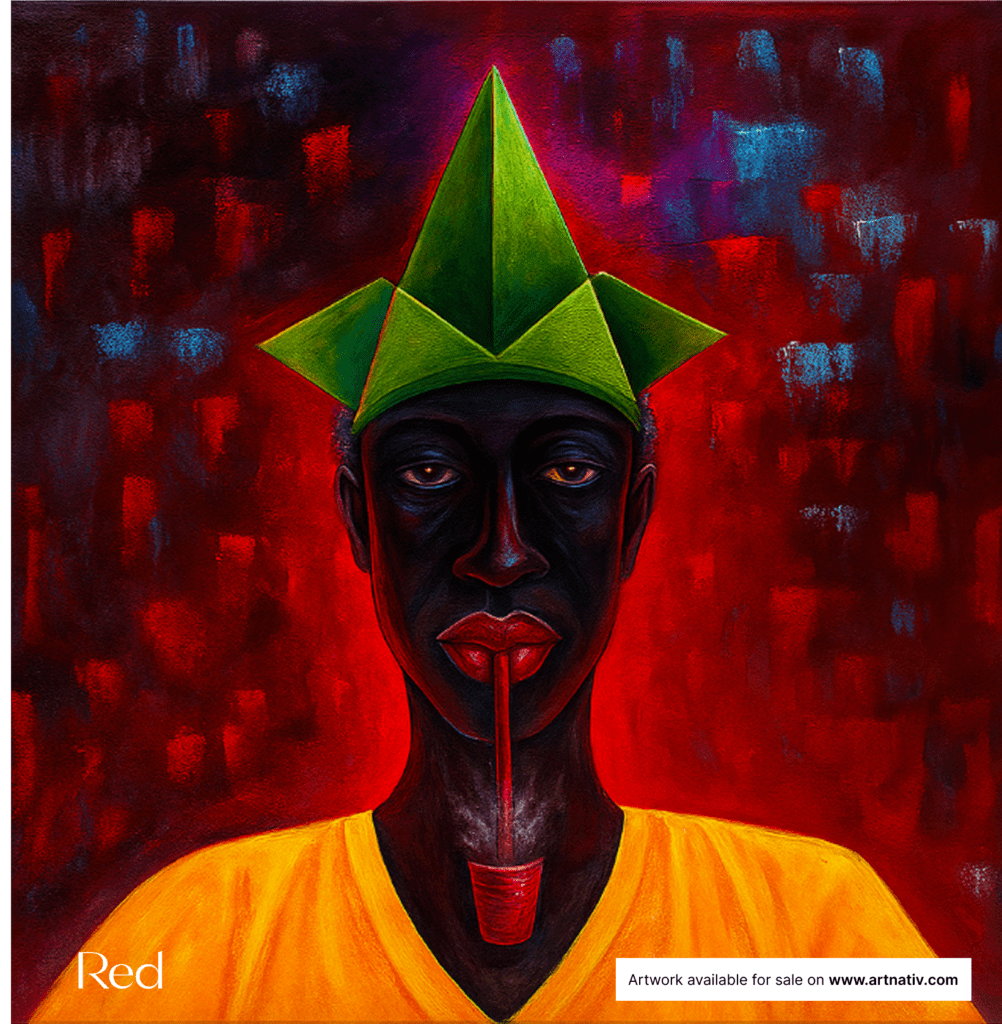
Figurative/Portraiture
- Human forms, faces, everyday life scenes
- Ranges from realistic to stylized
- Deep emotional connection
- Best for: Collectors who love storytelling and human connection
Textile Art
- Adire, kente, mud cloth, contemporary fabric works
- Texture-rich, culturally significant
- Versatile (can be framed or displayed as tapestries)
- Best for: Adding warmth, texture, and cultural depth
Mixed Media
- Combines painting, sculpture, found objects, textiles
- Innovative, boundary-pushing
- Each piece is truly unique
- Best for: Collectors who appreciate experimental art and want conversation pieces
Don’t overthink this. The style that makes you stop scrolling is probably the right one for you.
Step 4: Set Your Budget (And Understand What You’re Paying For)
Let’s talk money. Original art is an investment, but it doesn’t require a trust fund.
Price Ranges & What to Expect:
Under $300 – Entry-Level Originals
- Smaller works (typically under 24″)
- Emerging artists building their portfolios
- Perfect first purchases
- Still original, still valuable, still meaningful
$300-$1,000 – Established Emerging Artists
- Medium-sized works (24″-36″)
- Artists with growing followings
- Strong technique and unique vision
- Best value for investment potential
$1,000-$3,000 – Mid-Career Artists
- Larger works or highly detailed pieces
- Artists with exhibition history
- Works that anchor a room
- Solid appreciation potential
$3,000-$10,000+ – Investment Grade
- Established artists with market recognition
- Museum-quality pieces
- Significant cultural or artistic importance
- Blue-chip investment potential
What goes into the price?
- Artist’s experience and market demand
- Size and complexity of the work
- Materials used (oil vs. acrylic, canvas vs. panel, etc.)
- Time invested (some pieces take months)
- Cultural significance and technique mastery

Remember: At ArtNativ, our 24.99% commission model means more of your money goes directly to the artist compared to traditional galleries that take 40-60%.
Step 5: Research the Artist
You’re not just buying art—you’re buying into an artist’s journey.
Questions to ask:
About their practice:
- What techniques do they use?
- What themes or stories do they explore?
- How long have they been creating professionally?
- Have they exhibited in galleries or museums?
About their background:
- Where are they based?
- What’s their artistic training or tradition?
- What inspires their work?
Why this matters:
- The story behind the art increases its meaning (and value)
- Understanding technique helps you appreciate the work
- Supporting artists you connect with is more fulfilling
- Artist trajectory can indicate investment potential
On ArtNativ, you can:
- Read full artist biographies
- View their entire portfolio
- See where they’ve exhibited
- Follow them directly on ArtNativ to get notified of their new works.
- Commission them for a piece
Step 6: Consider Commission vs. Ready-Made
Here’s a secret many first-time buyers don’t know: you don’t have to choose from what’s already created.
Buying ready-made art:
- Immediate gratification (see exactly what you’re getting)
- Faster process (ships within days)
- Lower risk for first timers
Commissioning custom art:
- Perfect fit for your space (exact size, colors, theme)
- Collaborative creative process
- Truly one-of-a-kind
- Deeper connection to the work
First-time buyer tip: If you’re hesitant, start with a ready-made piece under $500. Once you’ve experienced the joy of living with original art, commissioning becomes less intimidating.
Step 7: The Technical Checklist
Before you click “purchase,” verify:
Artwork Details:
- Exact dimensions (including frame if applicable)
- Medium (oil, acrylic, watercolor, textile, etc.)
- Surface (canvas, wood panel, paper, fabric)
- Year created
- Signed by artist?
- Certificate of Authenticity included?
Practical Considerations:
- Shipping cost and timeline (international shipping can take 1-3 weeks)
- Framing (comes framed or needs framing?)
- Hanging hardware included?
- Return policy and conditions
- Insurance options for high-value pieces
On ArtNativ, every purchase includes:
✓ Certificate of Authenticity
✓ Secure escrow payment protection
✓ Verified artist guarantee
✓ Fraud protection through our authentication process (read how ArtNativ authenticates Art here)
✓ Global shipping with tracking
Step 8: Trust Your Gut
After all the practical considerations, here’s the truth: the best art to buy is art that moves you.
If you find yourself returning to the same piece, imagining it in your space, or feeling an emotional pull—that’s your answer.
Signs you’ve found “the one”:
- You keep going back to look at it
- You can picture exactly where it will hang
- The colors or subject matter resonate with you personally
- You feel excited, not anxious about the purchase
- The price feels like an investment, not an expense
Art isn’t rational. The “perfect” piece on paper might leave you cold, while an “impractical” choice might become your most treasured possession.

Common First-Time Buyer Mistakes (And How to Avoid Them)
Mistake 1: Buying for resale value only Yes, art can appreciate. But if you don’t love it, you won’t enjoy it while you own it. Buy what speaks to you first, investment potential second.
Mistake 2: Choosing art to match your couch Your couch will change in 5-10 years. Great art lasts a lifetime. Choose art that inspires you, then build your decor around it.
Mistake 3: Going too small Most first-time buyers underestimate size. A 16×20″ piece that looks substantial online can disappear on a large wall. When in doubt, go bigger.
Mistake 4: Overthinking it Analysis paralysis is real. If you love a piece and it fits your budget, buy it. You can always add more art later.
Mistake 5: Not asking questions Artists love talking about their work. Galleries exist to help you. Don’t be shy—ask about technique, inspiration, care instructions, anything.
Have questions before making your first purchase? Our team is here to help. Reach us at collectors@artnativ.com or via WhatsApp using the number at the top of the homepage. We’re passionate about helping new collectors find their perfect piece—no question is too basic or too detailed.
Your First Purchase Action Plan
Ready to start? Here’s your step-by-step:
Today:
- Browse ArtNativ’s collections and note 5-10 pieces that catch your eye
- Measure your walls and note dimensions
- Set a realistic budget range
This Week:
- Narrow to 3 favorite pieces
- Research those artists (read their bios, view their portfolios)
- Read reviews from other collectors
- Ask questions via our chat feature
When You’re Ready:
- Review shipping and return policies (can be seen on the payment page)
- Make your purchase
- Celebrate! You’re now an art collector
What Happens After Your Purchase?
Within 24 hours:
- Order confirmation email
- Artist notification (they’re excited too!)
- Estimated shipping timeline
During creation/preparation (1-2 weeks for ready-made, 4-6 weeks for commissions):
- Progress updates via email
- Ability to message artist with questions
- Secure escrow holds your payment (released when you approve)
Delivery:
- Professional packaging (we’ve shipped thousands of pieces safely)
- Tracking information
- Unboxing and care instructions
- Verifiable Certificate of Authenticity
- Provenance records into your email
Forever:
- You’re now part of the ArtNativ collector community
- Priority access to new artist drops
- Exclusive collector events and opportunities
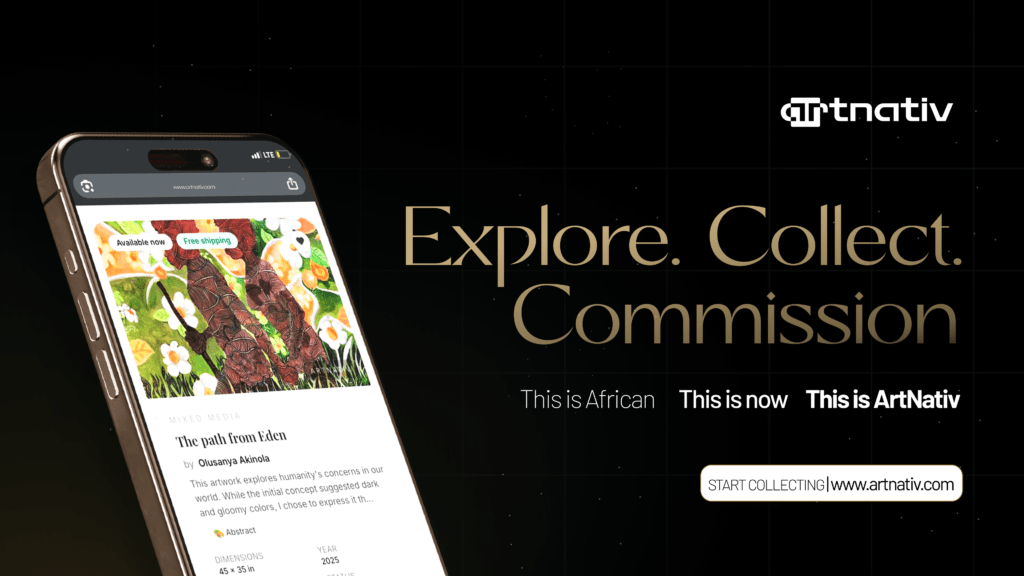
Start Your Collection Today
The art market can seem intimidating, but it doesn’t have to be. Whether you’re spending $200 or $20,000, every collection starts with that first meaningful purchase.
African art offers something rare in today’s world: authentic connection to culture, craftsmanship, and creativity that spans generations. By starting your collection, you’re not just decorating—you’re preserving artistic traditions, supporting living artists, and investing in beauty that will appreciate for decades.
Ready to find your first piece?
Browse our curated collections:
- Under $300 – Perfect First Purchases
- Curator’s Picks – Our Team’s Favorites
- Home Favorites
Want something custom?
- Start a commission – work directly with an artist
Still have questions? That’s what we’re here for. Message us anytime—we’re collectors and curators who love helping people discover art that transforms their spaces and their lives.
Welcome to the world of African art collecting. Your first piece is waiting.