
Each month we dig up art stories that worth your time, and what they mean for anyone who collects art. This June: art is reaching people more directly than ever.
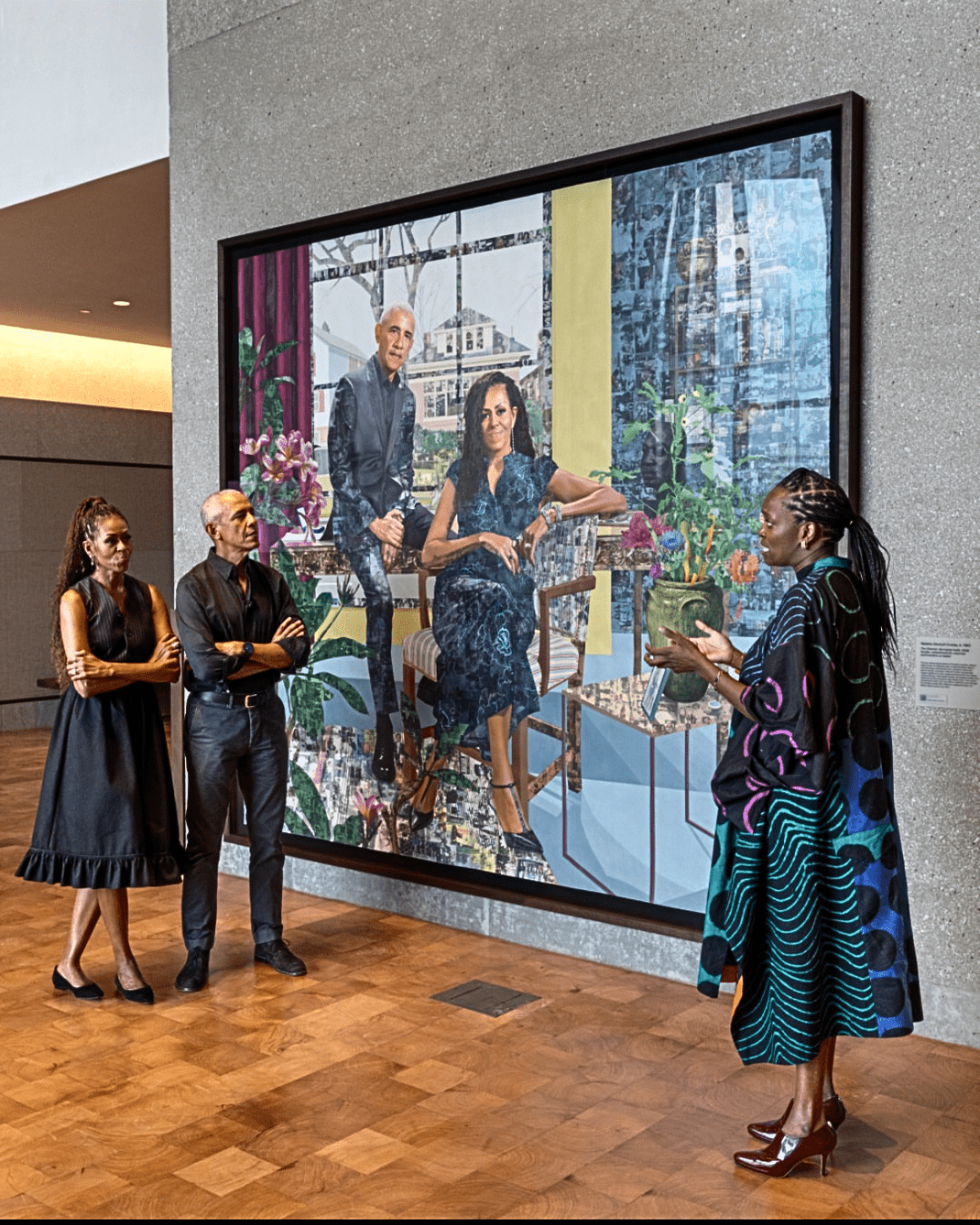
The Obamas entrusted Nigeria with their shared legacy.
Chicago, USA — June 2026.
Of every painter alive, the Obamas chose one who came to America from Nigeria at sixteen.
Her portrait of them now hangs at the front door of their new $850 million presidential center in Chicago, which opened to the public this month. It’s free to see. No ticket. It’s the first thing every visitor meets.
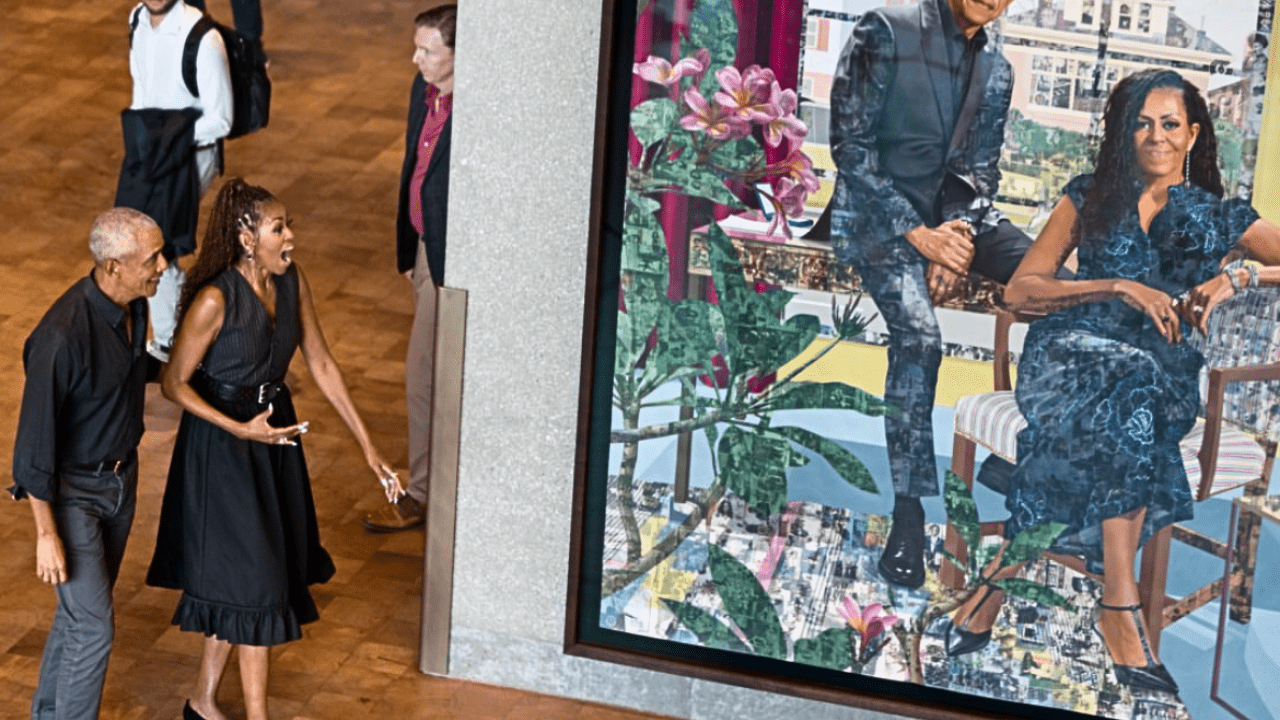
The artist is Njideka Akunyili Crosby. The painting is called “The Obamas: Springing Forth” which is their first official portrait of the two of them together.
Here’s what makes it special. Akunyili Crosby doesn’t just paint. She prints real photos; old magazines, family snapshots and presses them into the paper. From far away, you see a couple in a room. Up close, the whole surface turns into hundreds of tiny pictures.
She even added photos of their shared memories: Michelle’s childhood home, her father’s 1970 Buick, the bust of Martin Luther King Jr. that sat in the Oval Office. Every image meant something.
So why her? Because her story matches with theirs. She has lived In Nigeria and America her whole life. She had also earned it a MacArthur “genius” grant, and work in the Met, the Whitney and Tate.
Africa Basel
Basel, Switzerland — 16–21 June 2026.
Once a year, a small Swiss city becomes the centre of the art world.
Every June, Basel hosts Art Basel, the biggest, international art fair on the planet. Collectors, museum directors and galleries fly in from all over. For one week, the whole art world is in one place.
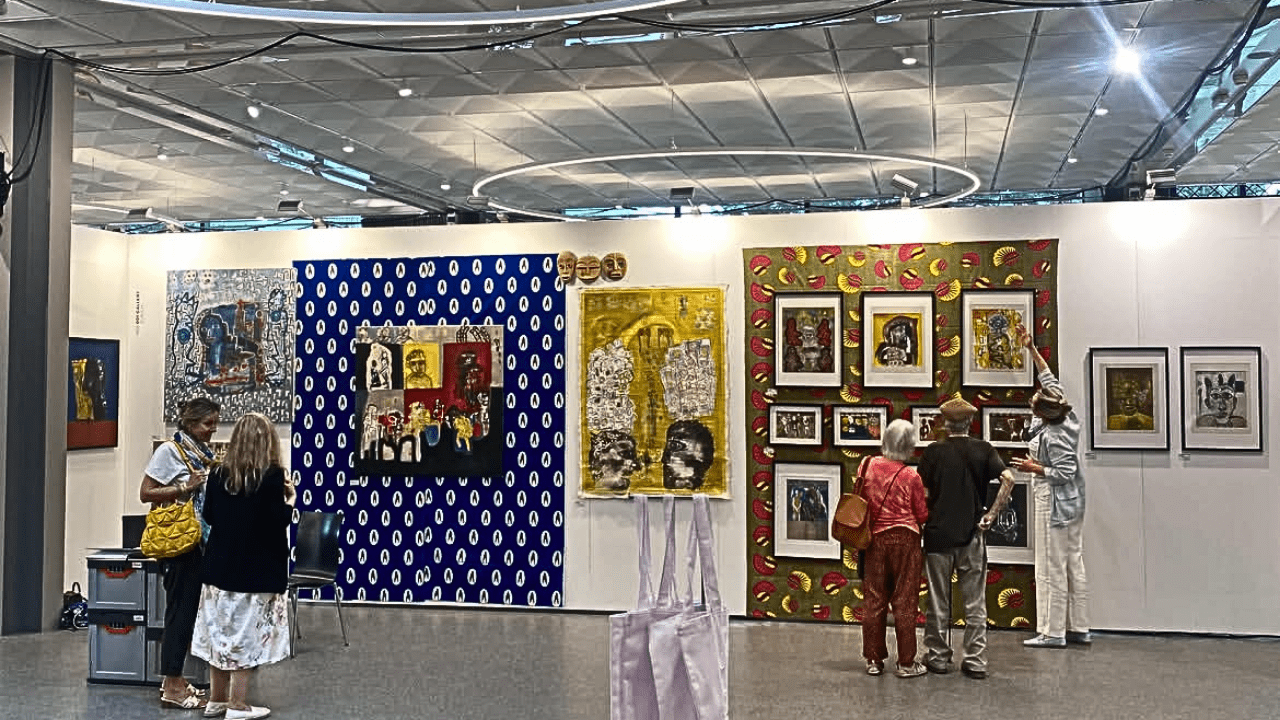
In the middle of it all, another bigger fair runs with one clear focus: art by African artists, at home and across the world. It’s called Africa Basel.
This year was only its second time. It was set up in an old 1960s factory, Klybeck 610, a short walk from Art Basel.
Africa Basel runs at the same time as Art Basel, on purpose. So the same collectors and curators already in town can simply walk over. The two fairs play different roles and both are significant.
Art Basel involves more than 200 galleries, including all major international art market. Africa Basel is for depth, distinguishable artworks, giving space for collectors to admire more intently and discuss.
And at Africa Basel, the talking was the point.
All week, artists and curators sat down to ask one question. Not “is African art popular right now?” Everyone already knows it is. The real question was harder: how do we make it last?
You could see that question everywhere.
Zimbabwean artist Richard Mudariki made an artwork out of passports and visa stamps. He called it “Art World Passport”. Other talks dived towards: who gets to write the story of African art, suggesting artists starting their own shows back home, and the new museums opening across the continent like Zeitz MOCAA in Cape Town and MACAAL in Marrakech.
LACMA first-ever art street parade
Los Angeles, USA — 20 June 2026.
Most art events wait for ticket sales but last Saturday, in Los Angeles, it was an open event.
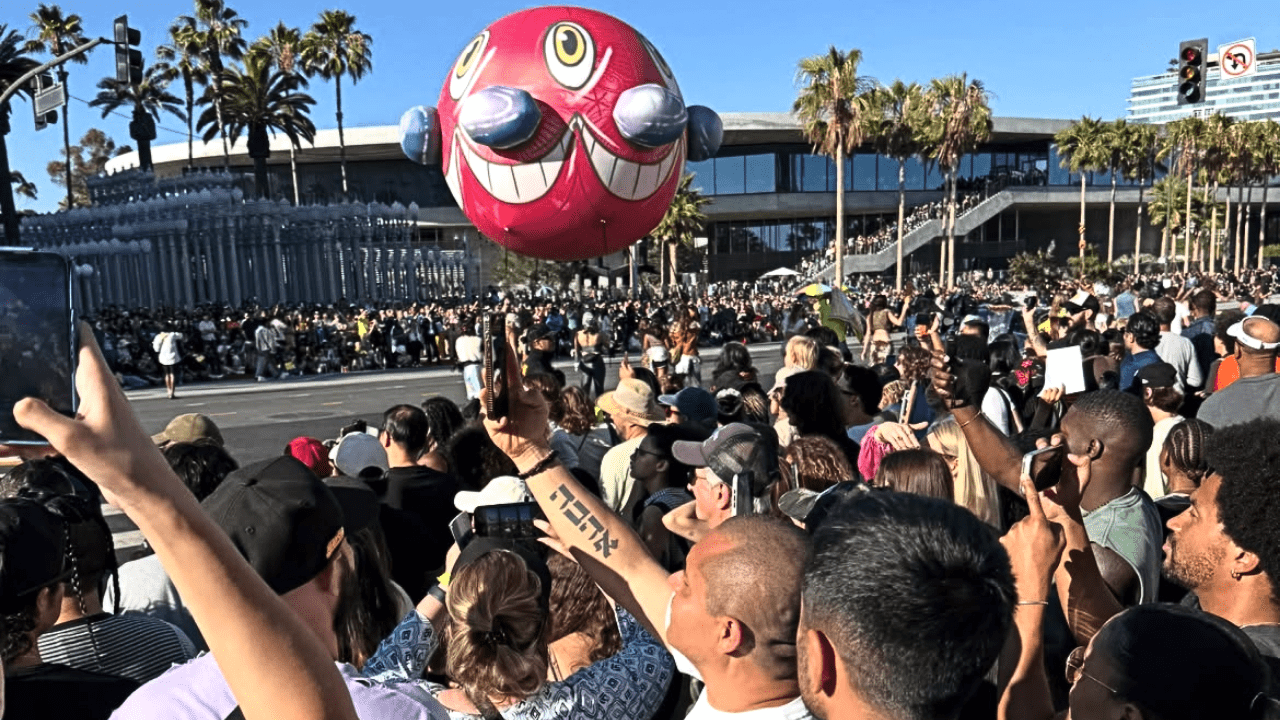
The Los Angeles County Museum of Art, LACMA, one of the biggest art museums in the United States held its first-ever Art Parade. For one evening, it closed a stretch of Wilshire Boulevard and filled it with art you could experience first hand plus it was free.
About 146 groups marched, each group comprises of more than 1,400 people. There were giant puppets, dancers, hand-made costumes, and rolling sculptures. Some groups even rebuilt famous LACMA artworks.
The parade was a big weekend for the museum. LACMA had just opened its new David Geffen Galleries, finishing a rebuild that took 20 years and $724 million. An all-day block party came first, with DJ sets and dancers. Together, the party and parade pulled in around 60,000 people.
The museum’s director, Michael Govan, calls the new campus the city’s “living room.” The parade was his way of proving it.
The whole thing was built to be open to everyone. LACMA ran it with gallerist Jeffrey Deitch, who first staged art parades in New York years ago but those were mostly for the art crowd. This one was different. The open call welcomed anyone: famous artists, dance agencies…
You didn’t need an art degree to take part. You just had to show up.
Many marchers brought a message, too. Some carried small models of homes lost in the 2025 wildfires. Others celebrated the city’s nightlife, while others campaigned for safer, more accessible streets.
The new luxury is something you can touch
A trend worth paying attention to.
We spend most of our day looking at screens. Phones, laptops, TVs. And now AI can make a perfect, polished image in seconds.
So a lot of what we see starts to look the same, smooth, flawless and a little empty.
Statistics show that people are quietly getting tired of it.
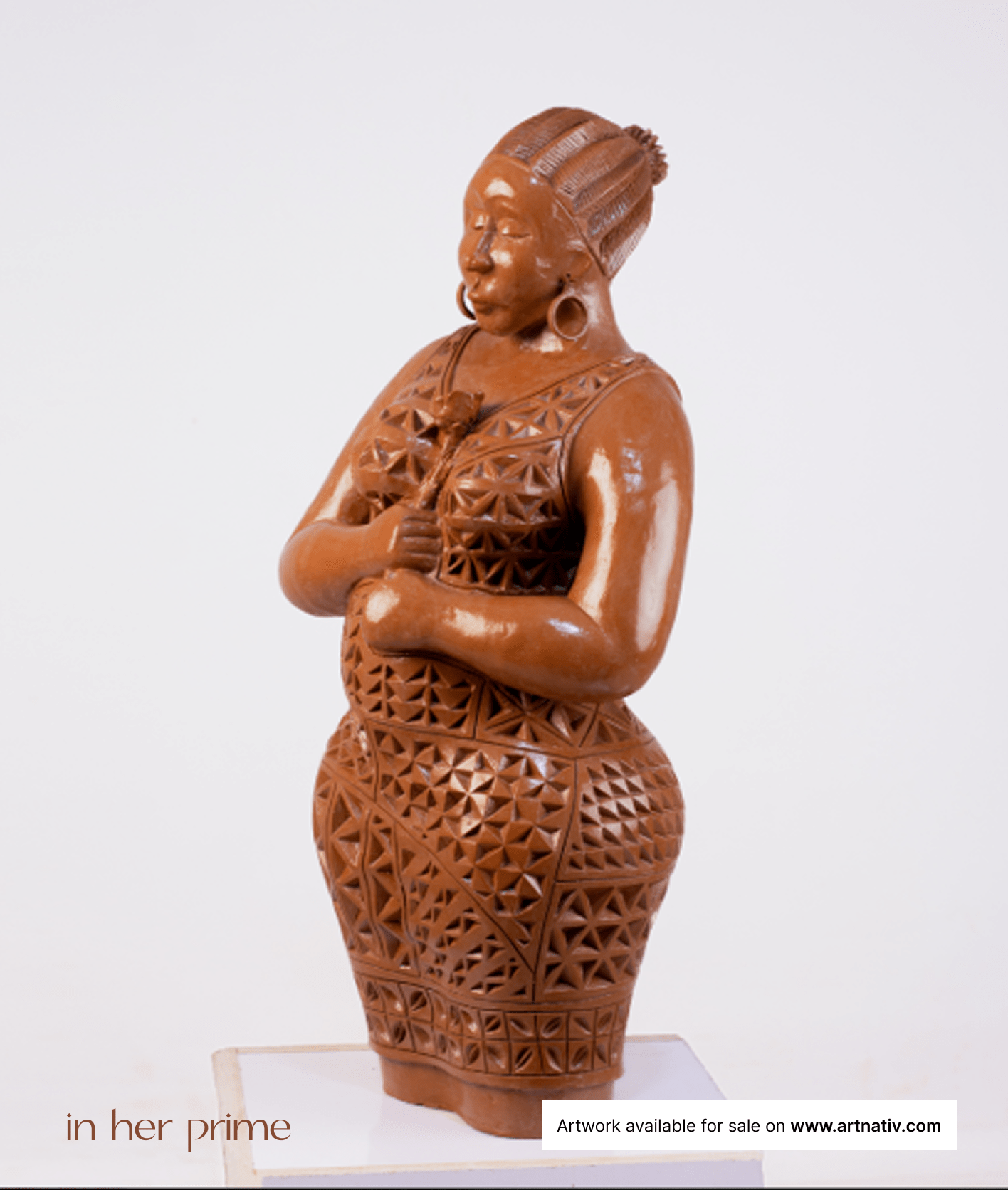
Collectors and designers are turning the other way. They want things they can hold: rough clay pots, sculptures, thick woven cloth, wood that still shows its grain and the marks of the tool that shaped it.
The bumps and uneven edges are the whole point. They prove a human made it, slowly, by hand.
This isn’t new. It has happened before.
In the 1800s, factories began churning out cheap, identical goods. In response, designers like William Morris went back to hand-made wallpaper, weaving and furniture and people paid more for that human touch. We’re living through the same swing again. Last time the machine was the factory. This time it’s AI.
You can feel it in homes, too. The fashionable thing now isn’t another smart speaker. It’s a calm room full of natural materials, stone, wood, soft wool that lets your mind settle after a day of screens.
And it’s changing what buyers ask for. They want proof a real person made the work: photos from the studio, notes on the materials, a clear record of how it came to be.
Why it matters: this is the heart of what we do at ArtNativ. Every piece on our platform is original hand-made by African artist which comes with provenance and a certificate of authenticity. In a world full of perfect, AI-made images, that human imperfection may be the rarest thing of all.