
It started in a small cave on the South African coast. The receipts are clear.

About 73,000 years ago, somewhere along the southern coast of what we now call South Africa, a person picked up a sharpened piece of red rock and drew a hashtag.
The hashtags comprises Nine careful lines. Six straight, three crossing them at an angle. Drawn on a stone about the size of your thumbnail, in the same red ochre pigment Renaissance painters would be using almost 73 millennia later.
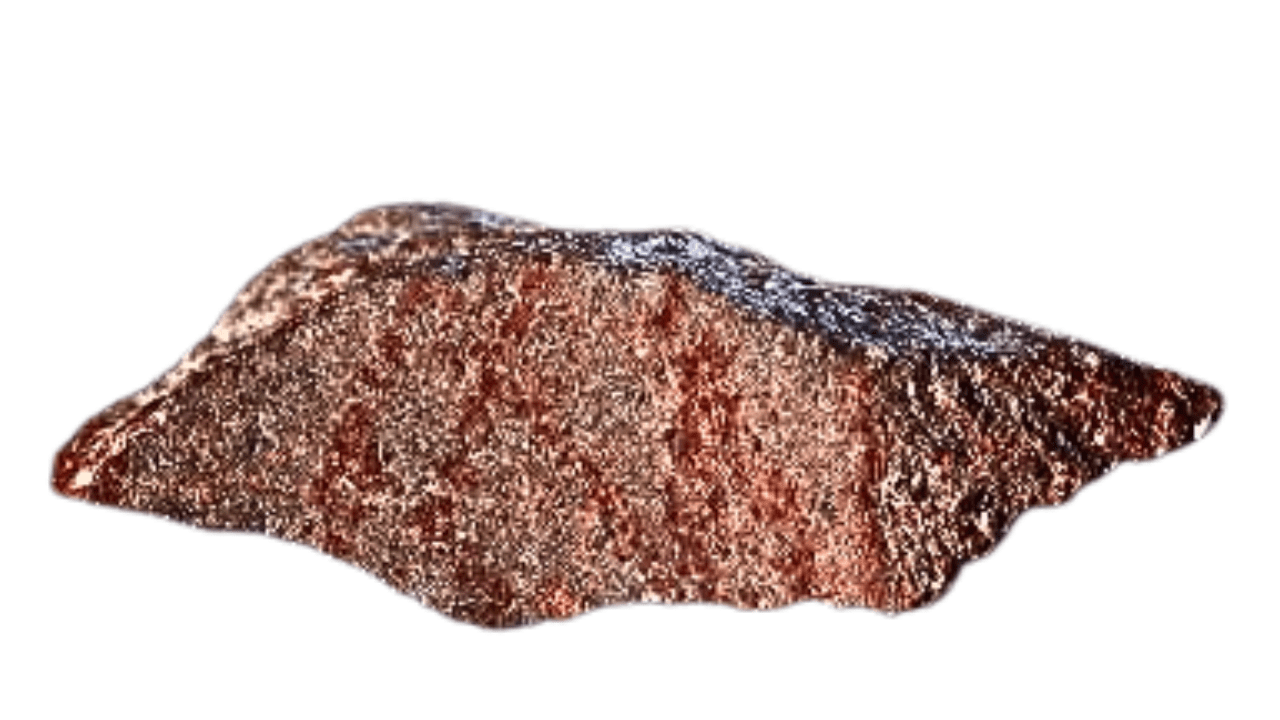
The person who drew it lived in a world without writing, without farming, without towns. Europe hadn’t been settled by then. But they had an idea. And they had the patience to scratch it carefully into stone.
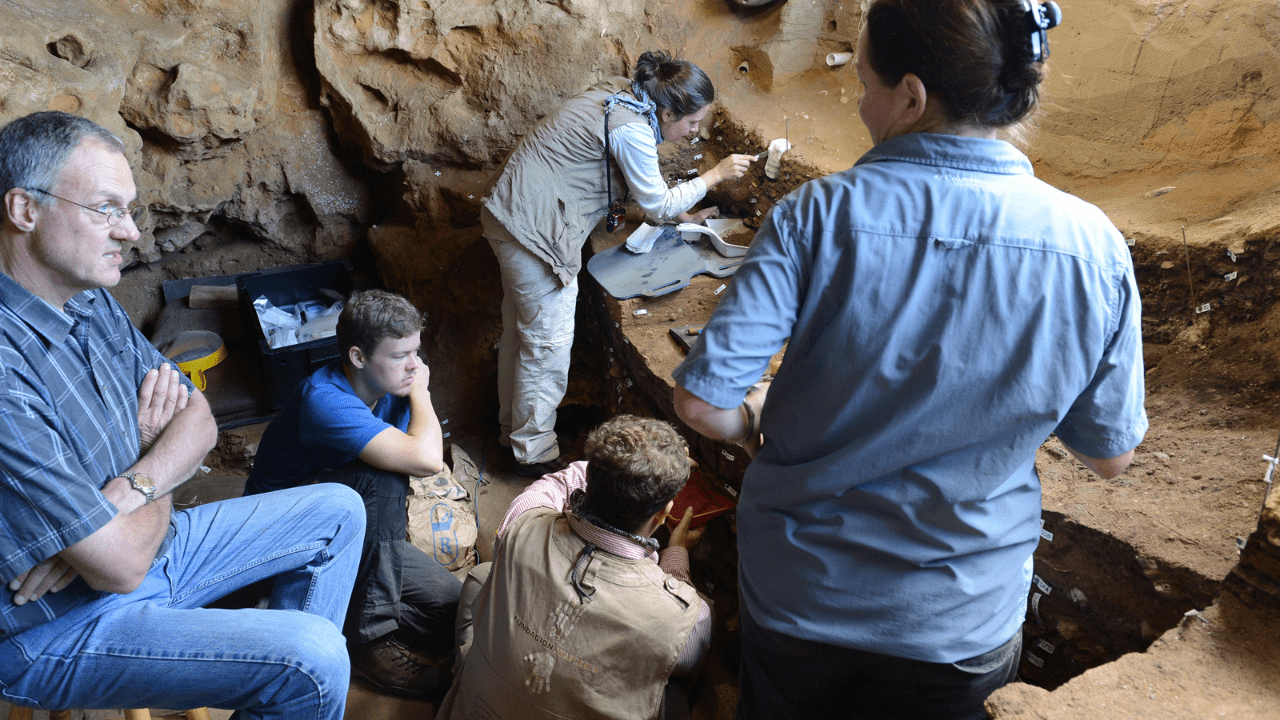
The little flake sat under sand for nearly 73,000 years until archaeologists led by Christopher Henshilwood pulled it out of the ground in 2011. It took another seven years of testing to confirm what they were looking at. When the team published the result in the journal Nature in 2018, the headlines wrote themselves: the world’s oldest drawing.

Most of us learned the wrong story
But here’s the story that doesn’t usually make the headlines.
That little hashtag isn’t the only piece of ancient art from this cave. It isn’t even the oldest. The same cave, Blombos Cave, near a small South African town called Stilbaai is holding up impossibly old artifacts for more than thirty years And the story they tell is not the one most of us were taught in school.
Most of us grew up knowing art history began in Europe. Cave paintings in France. Marble statues in Greece. Frescoes in Italy. The implication is that art is a thing that happened over there, and the rest of the world caught up later.
The receipts says otherwise. And they’re sitting in a cave in South Africa.
The Cave, Where It All Began
Here’s what’s been pulled out of Blombos so far.
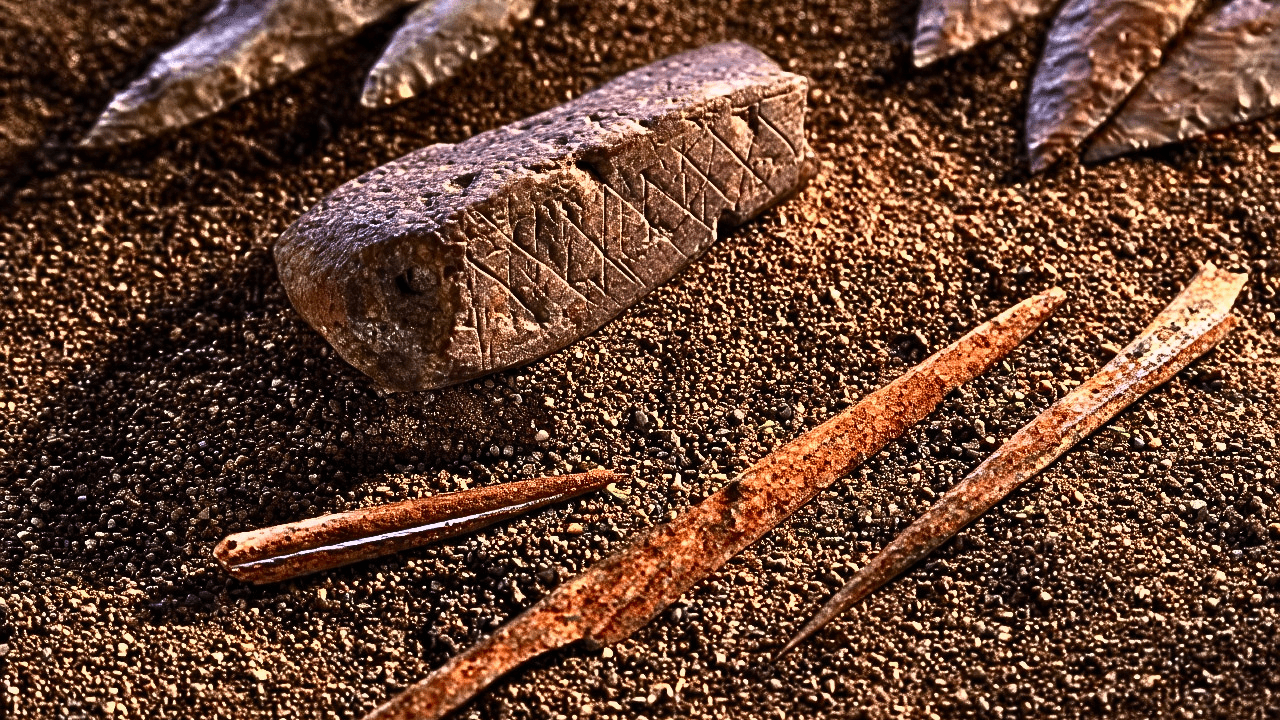
A 100,000-year-old paint set. Two abalone shells used as mixing cups, with dried red paste still inside them. Made of ground ochre, crushed animal bone, charcoal, and a liquid, mixed and stirred with stone tools. Founded in 2008. This is the oldest known art studio on earth. Whoever used these shells understood chemistry, planning, and how to make a substance that lasts. They prepared materials. They mixed colors. Same thing painters have been doing ever since.
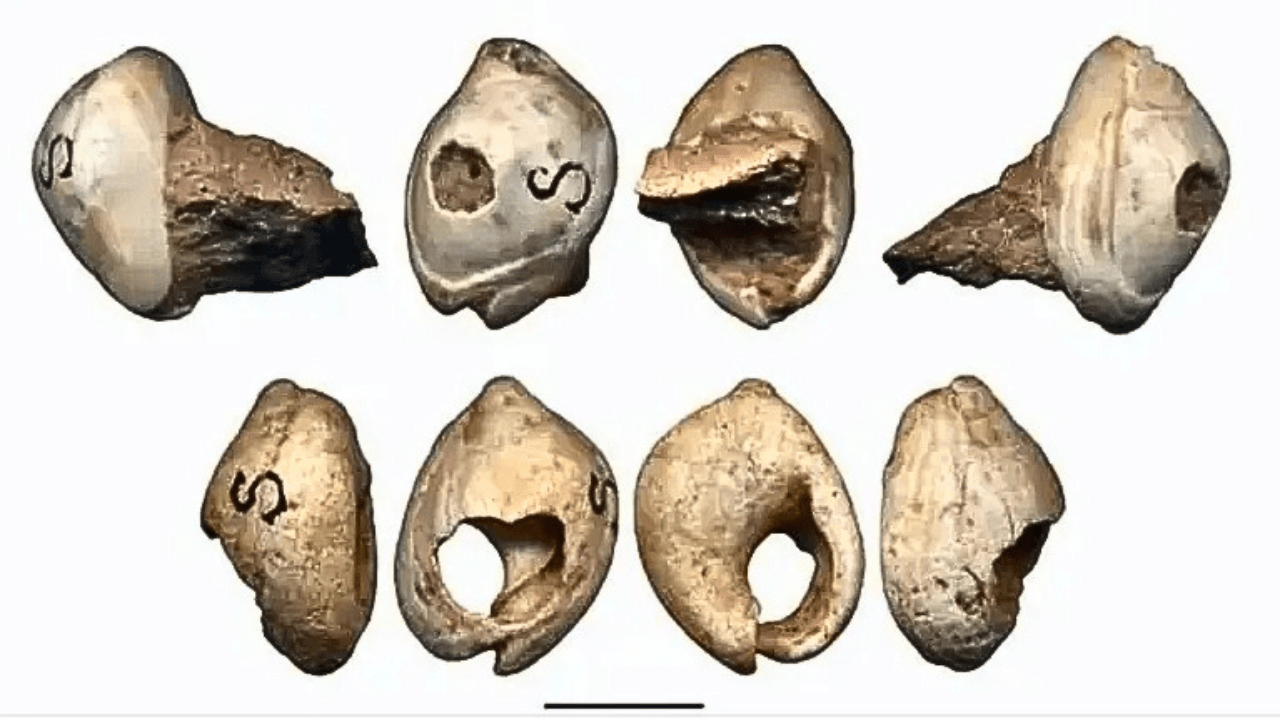
A 75,000-year-old necklace. Forty-one tiny sea snail shells, each one with a deliberately drilled hole, so smooth they rubbed against each other and against the string that held them together. Some of them still have red ochre staining the inside, meaning they were either painted or worn against pigmented skin. The shells came from estuaries 20 kilometers away from the cave. Somebody walked a full day to collect them. Then they sat down and turned them into something to wear.
77,000-year-old engraved ochres. Two flat pieces of red ochre with cross-hatched patterns carefully scratched into them. These are the artifacts that first put Blombos on the global map back in 2002. Not random marks. Deliberate, repeating patterns, made the same way thousands of years apart. That’s not a doodle. That’s a tradition.
And the 73,000–year–old hashtag drawing; the one we started with.
All from one small cave. All older than anything similar found anywhere else in the world.
The story has only gotten bigger.
For a long time, Blombos was the headline.
In 2021, a different team of archaeologists working in a different cave published findings that pushed the timeline back even further. Bizmoune Cave in western Morocco, on the opposite end of the continent from Blombos. Thirty-three perforated sea snail shells. Same idea as the Blombos beads; drilled holes, worn from uset. Dated to at least 142,000 years ago.
That’s about 70,000 years older than the Blombos necklace. Older than the migration of modern humans out of Africa. Older than every other piece of jewelry ever found.
There are similar shell beads at other North African sites. Engraved ostrich eggshell containers at Diepkloof Rock Shelter in South Africa, 60,000 years old. Painted stone slabs from Apollo 11 Cave in Namibia, 30,000 years old. The list keeps filling in.
What emerges is not one lone genius in one cave. It’s a continent. Across the whole of Africa and more than a hundred thousand years, people were making art, wearing ornaments, mixing paint, and passing design traditions from one generation to the next. Long before anyone in Europe.
Why this matters now
The story we tell about where art comes from shapes how we value it. When art begins in Europe in the cultural imagination, African art ends up positioned as derivative or “tribal” — late to a party that wasn’t even held in its own house. That framing has done real damage to how African artists have been seen, paid, and collected for centuries.
The actual receipts say something else.
African people invented art. They invented paint. They invented jewelry. They invented writing– the idea that you could leave a mark on a stone and have it still mean something to someone who looked at it 73,000 years later.
The artists working across Africa and diaspora today are not borrowing from a European tradition. They’re continuing the oldest tradition humanity has evidence of. The line is a receipt. It just got buried under a few hundred years of bad storytelling.

Where to see it
If you want to see the actual artifacts, you can. The 100,000-year-old paint set and the engraved ochres live at the Iziko South African Museum in Cape Town. The Blombos Museum of Archaeology in Stilbaai opened a permanent exhibition in December 2024 with replicas of the necklace and the rest of the collection. The Apollo 11 Cave paintings are at the National Museum of Namibia in Windhoek.
Most of us will never make it to those rooms. But every contemporary African artist is carrying the same story forward. The same purpose that sent someone walking twenty kilometers to find the right shells. The same care that went into grinding ochre, bone and charcoal into a paint that would still be visible 100,000 years later. The same patient hand that scratched nine careful lines into a stone, just so someone else would see it.

When you collect work by an African artist, you’re not picking up a curiosity. You’re joining a conversation that started a hundred thousand years ago and has not stopped.
Browse original work: artnativ.com
Never miss a gifting moment: artnativ.com/celebrate